Security Engineering by Ross Anderson: Who Guards the System and Who Pays
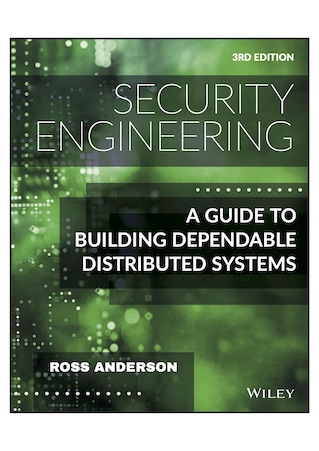
Ross Anderson's Security Engineering, third edition, explains how policy, mechanism, assurance and incentives determine whether real systems remain dependable under attack.
Praxeologist ~ Cryptoanarchist ~ Cypherpunk Message me on nostr:nprofile1qqs8t4ehcdrjgugzn3zgw6enp53gg2y2gfmekkg69m2d4gwxcpl04acpzamhxue69uhhyetvv9ujuurjd9kkzmpwdejhgtcppemhxue69uhkummn9ekx7mp0w3radp
Ross Anderson's Security Engineering, third edition, explains how policy, mechanism, assurance and incentives determine whether real systems remain dependable under attack.
Michele Boldrin and David K. Levine argue creators can earn without excluding imitators, examining steam engines, patent pools, software and pharmaceuticals.

Radliff’s vonu survey rewards readers who examine how mobility, community, and digital privacy change their dependencies without assuming protection from coercion.

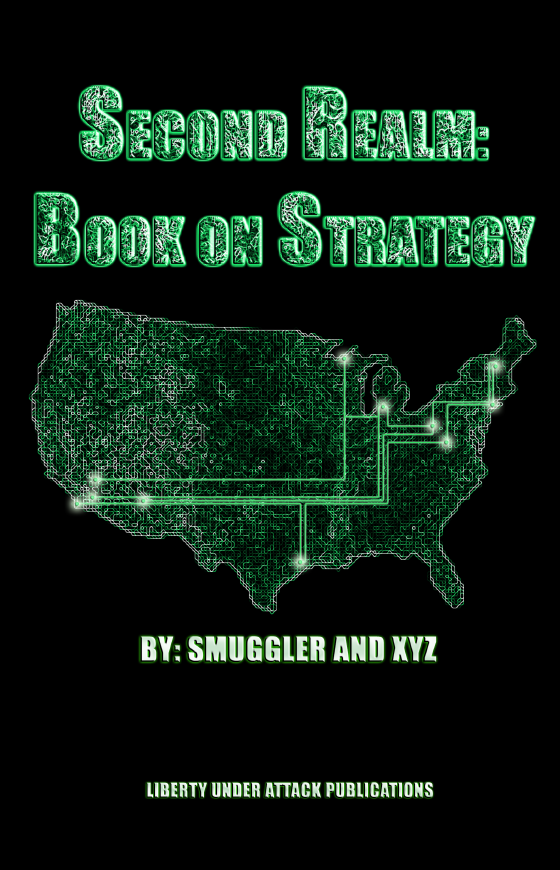
Smuggler and XYZ treat minority exit as coordination: relationships, temporary places, specialized exchange services, voluntary culture, and the power specialists accumulate.
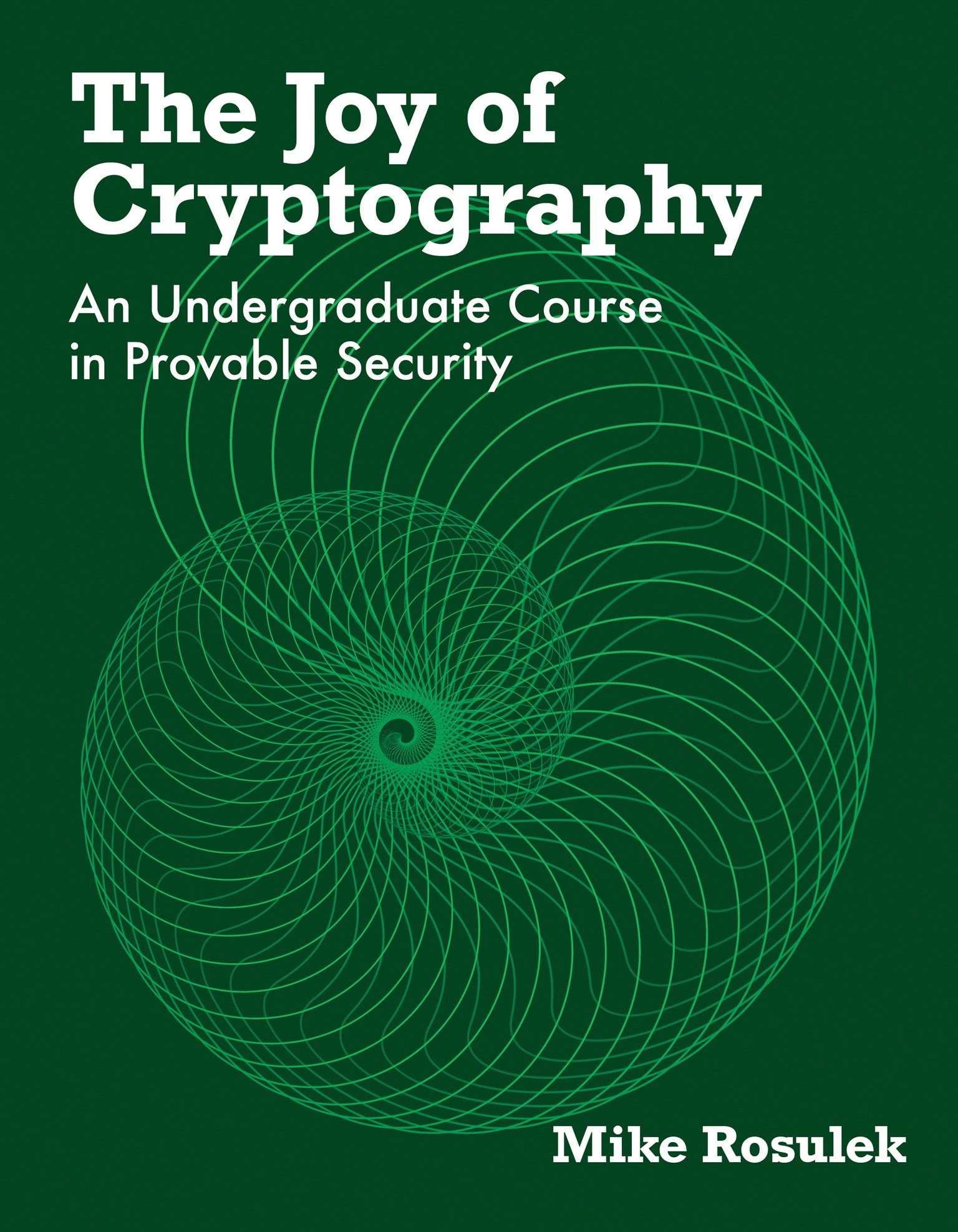
Mike Rosulek's textbook proves cryptographic security through attacker libraries, showing mathematically prepared programmers which adversary, access and assumptions each guarantee covers.
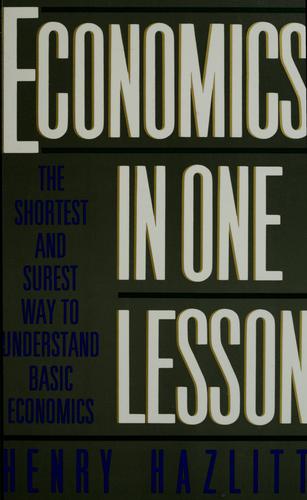
Hazlitt’s Economics in One Lesson guides beginners through prices, machinery, employment and saving, tracing economic consequences for all groups over time.
Rothbard's short monetary primer traces money from market exchange through bank claims and coin ratios to the end of gold redemption.

Rothbard's 1967–68 newspaper columns, edited by Justin Raimondo, test Sixties alliances over war, secession, business, and money against consistent libertarian principle.

Böhm-Bawerk's 1890 critical history, translated by Smart, tests rival theories of interest by separating physical output, capital value and value surplus.
Gene Callahan explains purposeful choice, money, entrepreneurship, and capital, guiding readers through Austrian economics and its account of investment coordination problems.

Robert Murphy introduces economic reasoning through worked examples, helping beginners connect specialization, saving, entrepreneurship, and price controls within an Austrian framework.

Carl Menger connects individual needs to value, production, exchange, and money, offering patient readers a theoretical foundation for examining economic choices.
Build and share a modest Android app under a chosen identity using phone-operated agents, encrypted messaging, ecash, and project-specific signing keys.

Autonomous agents sharply reduce the cost of writing native platform code, leaving human builders to concentrate on product direction and responsibility.

A cache key that omitted context let forged L-BTC exist, and one authorized peg-out moved nearly the whole bitcoin reserve out.

The messenger I live in is also the workshop where each annoyance becomes a fresh build I test on my phone.

Readable code was never reviewed code; a few thousand sats each month buys an audit of the software guarding your wealth.

Coldcard rewrote shared GPL seed code while restricting competition; the replacement failed catastrophically, proving source visibility falls short of software freedom.

Centuries before encrypted email existed, merchants and dissidents moved letters and packages through private courier networks that outran every imperial monopoly.
Every Nostr private key ever generated can be losslessly encoded as twenty-four words, recovered byte-for-byte forever, stamped onto Bitcoin steel plates.