Two Roads to a Network Without Permission: Reticulum and FIPS
Reticulum and FIPS both build permissionless encrypted meshes, but they differ radically in routing, crypto primitives, and their relationship to IP.


Reticulum and FIPS both build permissionless encrypted meshes, but they differ radically in routing, crypto primitives, and their relationship to IP.
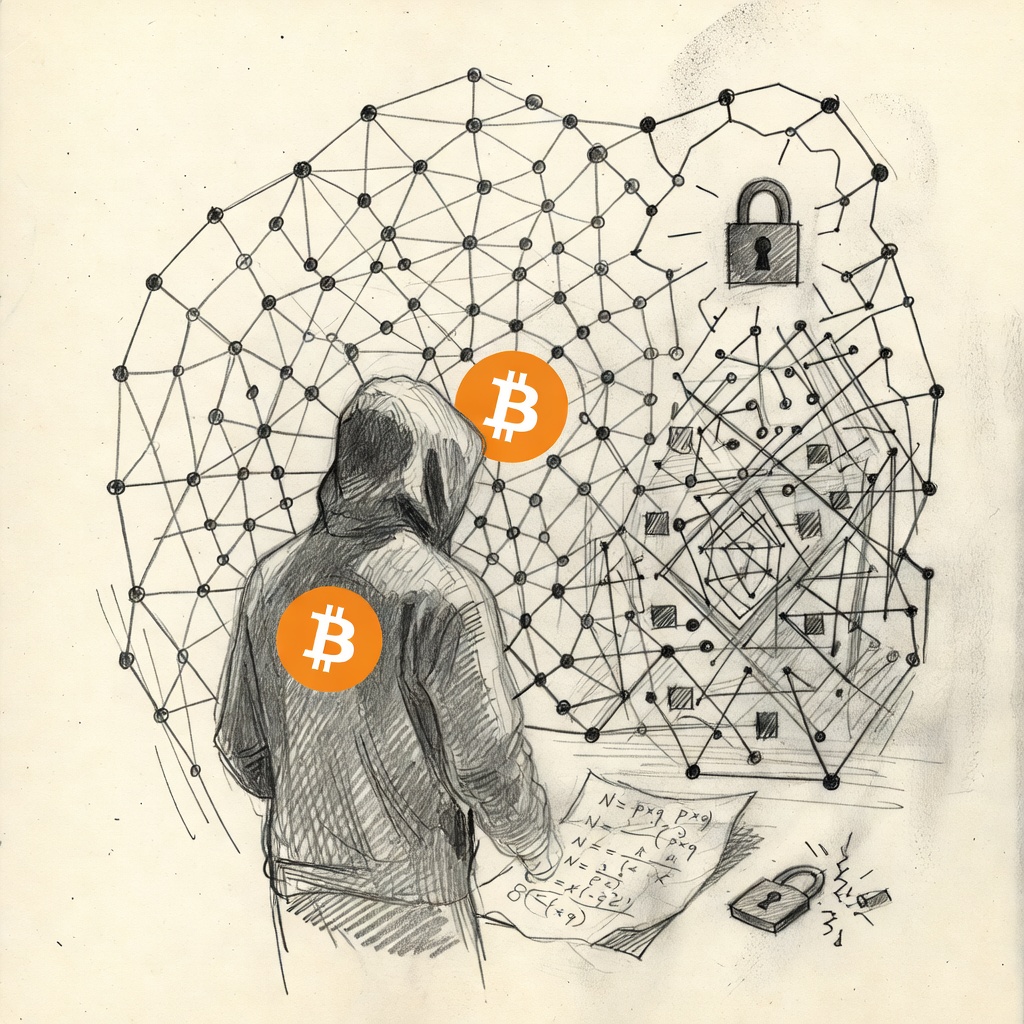
Independent researcher Giancarlo Lelli claimed a 1 BTC bounty by breaking a 15-bit elliptic curve key using publicly accessible quantum hardware. While Bitcoin's 256-bit curves remain secure for now, this milestone signals that the quantum threat is real and advancing. True sovereignty demands we prepare our infrastructure before the break becomes practical.
Nostr is Pro-Censorship: Decoding the POW and WOT -- Unpacking the relay consensus and perceived immutability

I didn't leave the internet. The internet left me.

Email is a single point of failure for your entire digital life. It was never designed with privacy in mind, but unfortunately it's still a core part of how we operate online. This article breaks down a practical system for email privacy and security using custom domains, encrypted providers, and compartmentalization.

PAI turns Claude Code into composable personal infrastructure you own through Markdown files. OpenClaw routes messages through a daemon you maintain.

The choice is yours. Will be become obsolete or will you be in control of your destiny

When AI handles compilation and patching tasks, source-based computing finally escapes the domain of experts, ending decades of binary distribution monopoly.

Digital communication technology has exceeded its optimal scale, establishing a radical monopoly over human interaction. Internet platforms intermediate private relationships, extract value through surveillance capitalism, and reduce people to quantifiable metrics. However, certain digital tools can subvert the architecture of the corporate internet to safeguard individual freedom and human flourishing within digital environments. Two digital tools embody this conviviality in particular: open source software and asymmetric cryptography. Open source software empowers users to understand, modify, and control their tools rather than being controlled by them, while asymmetric cryptography enables private communication over untrusted networks, as well as credible exit through digital signatures. Together, these tools offer a bottom-up approach to incrementally reclaiming control over our digital lives, making small-scale resistance against intermediation and surveillance more feasible within the hostile environment of the modern internet

Technology, Humanity, and the Logic of Renewal


