Promise vs. Reality: Has BC’s UNDRIP Experiment Delivered?
Commentary After nearly seven years, it is time to compare the promise of UNDRIP to its track record. Back in 2019, the government in British Columbia passed the Declaration on the Rights of Indigenous Peoples Act (DRIPA), hailing it as a historic and transformational move to improve relations with indigenous communities by harmonizing provincial law [...]
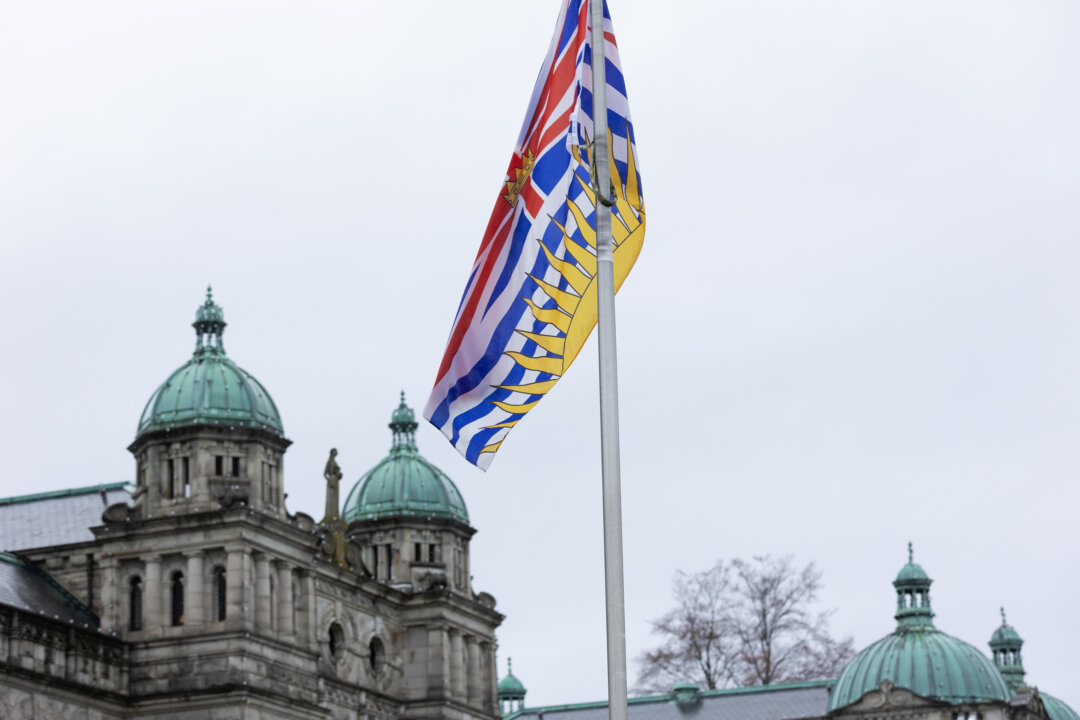
British Columbia enacted the Declaration on the Rights of Indigenous Peoples Act (DRIPA) in 2019 with the goal of improving relations with Indigenous communities by aligning provincial law with UNDRIP. The government established five objectives, including advancing reconciliation, fostering cooperation, harmonizing laws, reducing conflict, and improving socio-economic outcomes for Indigenous peoples. After nearly seven years, an assessment of DRIPA’s achievements is warranted.
- British Columbia passed the Declaration on the Rights of Indigenous Peoples Act (DRIPA) in 2019.
- DRIPA aims to harmonize provincial law with the United Nations Declaration on the Rights of Indigenous Peoples (UNDRIP).
- The act’s five objectives include advancing reconciliation, improving relationships with Indigenous communities, aligning provincial laws with Indigenous rights, reducing conflict over land and resources, and enhancing socio-economic outcomes for Indigenous peoples.
- It is now appropriate to evaluate DRIPA’s track record after almost seven years.
Write a comment