Xi's BRICS Message Offers Little New Substance as India Resists an Anti-US Bloc: Experts
Analysts say Beijing seeks to use BRICS as a counterweight to the United States and the West, but its members pursue different agendas and lack mutual trust.
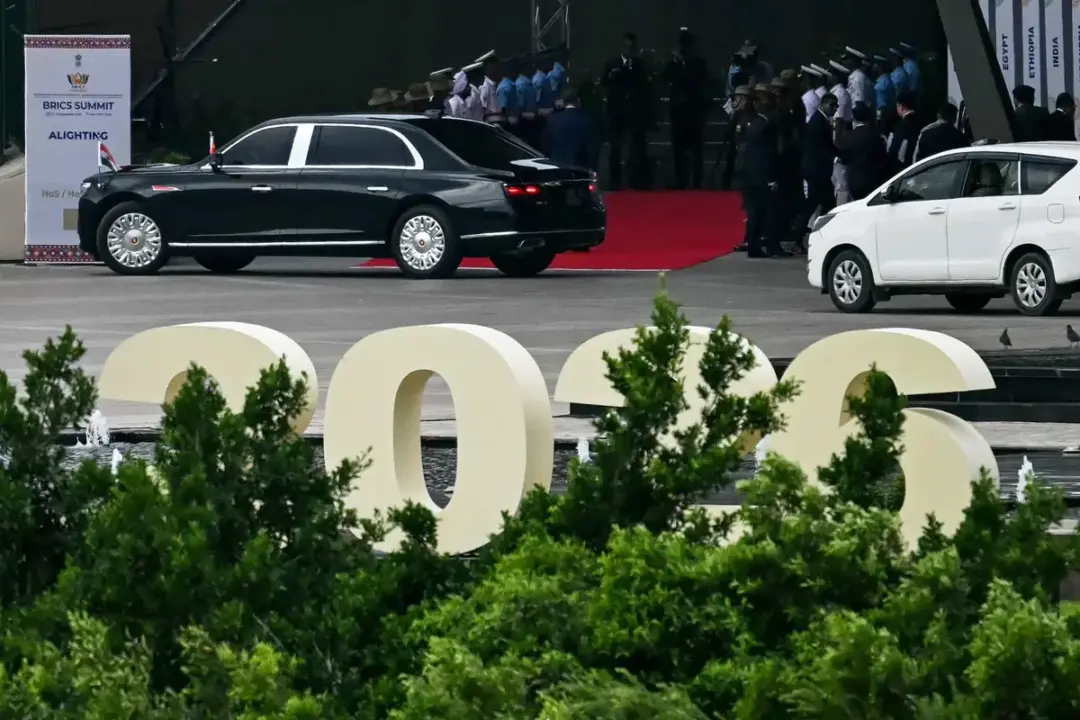
Chinese leader Xi Jinping reiterated his long-standing criticisms of unilateralism and power politics at the 2026 BRICS summit in India. The New Delhi Declaration adopted by the leaders focused on multilateralism and a WTO-centered trading system, while expressing concern over protectionist measures. Experts suggest that despite Beijing’s efforts, the expanded BRICS grouping has not become a significant political force against the United States and the West due to divergent agendas among its members.
- Xi Jinping’s speeches at the 2026 BRICS summit in India repeated calls against unilateralism, power politics, and protectionism.
- The New Delhi Declaration reaffirmed commitment to multilateralism and a WTO-centered trading system.
- BRICS leaders expressed concern over unilateral tariffs, protectionism, and non-tariff measures inconsistent with WTO rules.
- The declaration condemned unilateral coercive measures, including certain economic and secondary sanctions, as contrary to international law.
- Analysts believe Xi’s remarks lacked new substance and that the summit highlighted limitations in China’s ability to shape BRICS into an anti-Western political bloc.
Write a comment