WTH is Open Source?
Hello world,
My journey with computers started back in 2003. I was that kid spending hours on Bittorrent downloading music and movies, watching videos on VLC, and surfing the net on Mozilla Firefox. I never really thought about where these programs came from, I just used them because they worked. Years later, I realized something surprising: all those tools I relied on were open-source. At the time, I had no clue what that meant, but looking back, it was my first real encounter with a world built on shared knowledge and collaboration.

Windows kept rolling out new versions, each one with a price tag. I wasn’t paying for that, so I found my way around with pirated copies, like many of us did back then. It wasn’t until 2021, when I started diving into Bitcoin, that I discovered the world of open-source software. It felt like uncovering a hidden universe where people built the software together, improved it, and shared it freely without corporate gatekeepers.

Fast forward to today, and software is everywhere. It runs our phones, bank apps, TVs, dating apps, and even flight bookings. The catch is that most of it is closed-source, controlled by companies that decide how it works, when it updates, and what data it collects. You don’t own it. You just click “I agree” and follow their rules. Open-source software changes that dynamic by handing control back to the user. It is about freedom, transparency, and ownership, ensuring that technology works for you instead of the other way around.
History of Open Source and the Internet
At its core, open source is about collaboration. It has shaped both software development and the internet itself. In the early days of computing, software wasn’t seen as a product to be sold. It was a shared tool that researchers, academics, and programmers freely exchanged. They tweaked and improved each other’s work, driving innovation forward.
This same spirit of openness laid the foundation for the internet. In the 1970s and 1980s, universities and researchers worked together to develop networking protocols like TCP/IP, which allowed computers to communicate. These technologies were built through open collaboration, freely shared, and continuously improved—just like early software development.
As computers and networks became commercialized in the 1980s and 1990s, companies realized they could sell software and online services instead of keeping them open. This shift led to the rise of closed-source software, where the source code was locked away from users. Companies like Microsoft and Apple built billion-dollar businesses by maintaining full control over their software, deciding how it was modified, distributed, and monetized.
By the late 1980s and early 1990s, a pushback against this commercialization began. Advocates of free software, led by Richard Stallman, wanted software and online technologies to remain accessible, modifiable, and free from corporate control. This movement led to the creation of Linux, a fully open-source operating system that challenged the dominance of Windows. Linux’s success proved that open collaboration could produce powerful, reliable, and scalable technology.
As open-source ideas gained traction, Christine Peterson coined the term “open source” in 1998 to make the concept more business-friendly. The term “free software” was often misunderstood, with many assuming it referred to cost rather than user control. Around this time, Netscape open-sourced its web browser, which later became Mozilla Firefox, inspiring developers like Eric S. Raymond and Bruce Perens to popularize the new term. This led to the founding of the Open Source Initiative (OSI), which formally defined open-source principles and promoted them worldwide.

One of the most influential contributions to this movement was the MIT License. It allowed software to be freely used, modified, and shared, as long as credit was given to the original creators. Even today, the MIT License remains one of the most widely used open-source licenses, powering countless projects across the internet.
How Open Source Shaped the Modern Internet
The internet as we know it exists because of open-source technology. Linux runs most web servers, while projects like Apache for web hosting, MySQL for databases, Python for programming, and WordPress for websites have shaped the digital world. Android, the world’s most popular mobile operating system, is also built on Linux, bringing open-source principles to billions of smartphones worldwide. If these tools were locked behind a paywall, many of the websites, apps, and services we use every day would look very different.
By keeping the internet open and decentralized, open-source software has given millions of developers the freedom to build, experiment, and push technology forward without corporate restrictions.
Bitcoin is one of the most powerful examples of open-source innovation. Unlike traditional currencies that are controlled by banks and governments, Bitcoin operates on a decentralized network powered by open-source software. Anyone can inspect the code, propose improvements, or even create their own version. This ensures transparency, security, and trust without relying on a central authority.

Open source is about making code accessible and following specific principles. Bitcoin aligns with these principles :
🔹 Free Redistribution – Bitcoin’s code is publicly available for anyone to share, copy, or distribute.
🔹 Source Code Availability – The entire Bitcoin protocol is open for public review, with nothing hidden.
🔹 Allowing Derived Works – Developers have built new cryptocurrencies using Bitcoin’s foundation, including Litecoin, Dogecoin, and Bitcoin Cash.
🔹 Integrity of the Code – Any changes must be publicly documented and reviewed, ensuring reliability and trust.
🔹 No Discrimination Against Persons or Groups – Anyone can contribute to or use Bitcoin, regardless of nationality, background, or beliefs.
🔹 No Discrimination Against Fields of Endeavor – Bitcoin can be used for any purpose, whether personal, commercial, or research-based, without restrictions.
🔹 Distribution of License – The Bitcoin software license applies to all who use it, ensuring equal access and rights.
🔹 License Must Not Be Specific to a Product – The open-source license applies to Bitcoin but can also be used for other projects beyond it.
🔹 License Must Not Restrict Other Software – Bitcoin’s license does not interfere with or impose restrictions on other software.
🔹 License Must Be Technology-Neutral – Bitcoin works across different platforms, operating systems, and networks without limitations.
Bitcoin’s open-source nature is a key reason for its success.
Here are some examples of open-source Bitcoin-related projects:
- Bitaxe Miner
- Electrum
- Trezor
- Start 9
- BTCPay Server

Not Everything Is Open Source
While open source has revolutionized technology, it’s not the only model out there. Some companies prefer to keep their code locked away, controlling how their software is used, modified, and distributed.
🔒 Closed-source software is the most common alternative—think Microsoft Windows, Adobe Photoshop, or Apple’s iOS. You can use these products, but you can’t see or modify the underlying code. The company owns full control, deciding what features to add, what restrictions to impose, and when to stop supporting older versions (forcing you to upgrade).
🤝 Source-available software sits somewhere in the middle. The code is visible, but there are restrictions on how it can be used or modified. A good example is Coldcard and Umbrel, which allow users to view and use the code but don’t grant the freedom to redistribute or modify it freely like traditional open-source projects.
So while open-source software gives full control to the community, other models still exist, some prioritizing profit and security, others balancing transparency with restrictions.
Open source keeps technology open, transparent, and in the hands of the people. It has shaped the internet, powered innovations like Linux and Bitcoin, and ensures that no single entity controls the future.
https://docs.angor.io/images/tools/app.png
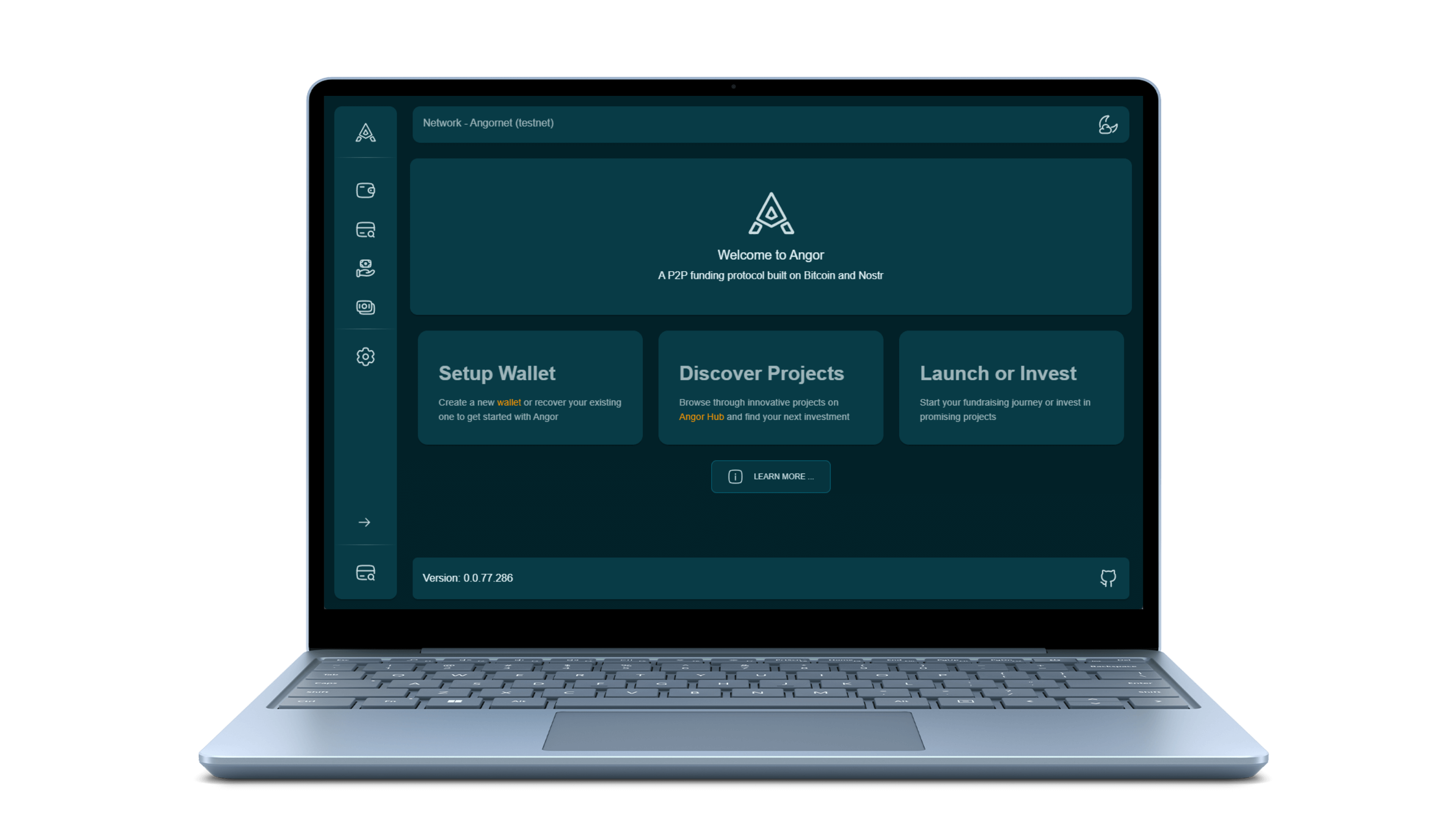
Angor is built on these same values, giving users full access to modify, improve, and share its code freely. Created by hardcore Bitcoin Maximalists, it provides the tools to build, fund, and grow projects with complete transparency. The future of finance is open, and Angor is leading the way. Hope you enjoyed this post and continue supporting open-source software.
Thank you and ciao!
Write a comment