The Woes of Capture, Part 1: Memento Mori
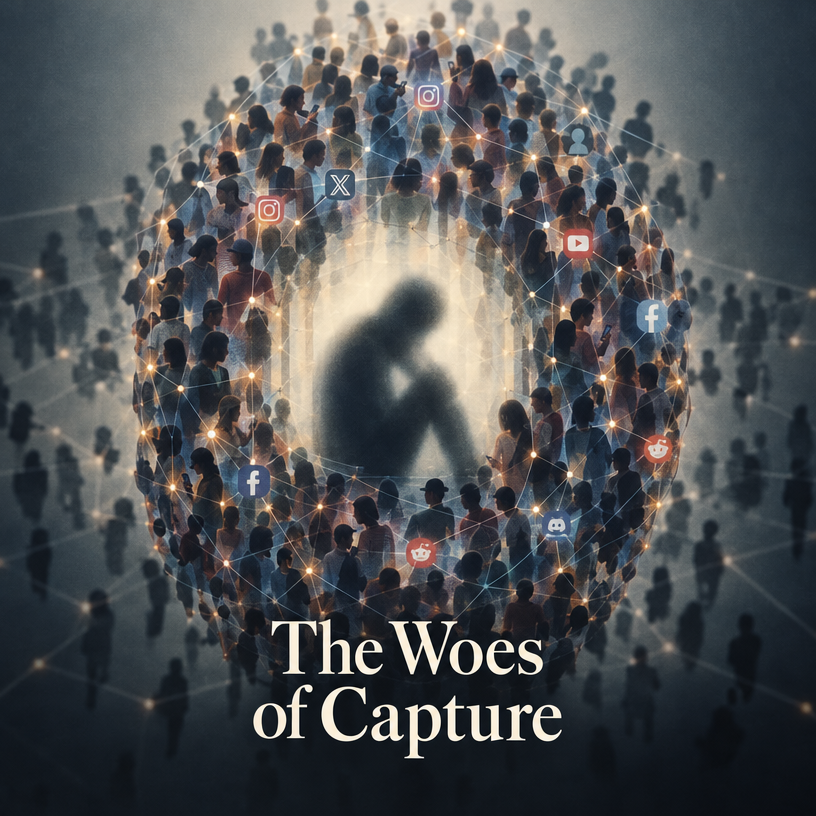
Perhaps the best way to start things is with the end, more so because we often don’t have the end in mind when we start. We all die. Not that death is a requirement for the topic at hand, it is just the guarantee of its relevance. It is the ultimate act of leaving behind, not just the living, but also all you have established while you walked among them.
An aspect of online existence is that it is recorded. Text, pictures, audio, video, all monuments of your presence. Not just one-sided publications but also the interactions, conversations and comments. All together become the ghost of your past the moment you pass away. People actually return to these abandoned profiles from time to time to remember and pay their respects, as if they are digital graves.
Initially Facebook had a policy to remove the profiles of deceased people when notified. After a shooting at Virginia Tech in 2007, Facebook changed this policy in response to people using the victims’ profiles as a place to memorialize. The policy and features around this phenomenon evolved from there. Not just at Facebook, but platforms as such needed to take these things into consideration. This subject even has its own entire Wikipedia page if you can believe it https://en.wikipedia.org/wiki/Death_and_the_Internet.
The point here is not to discuss the various policy decisions different platforms made, how they changed and what court cases occurred and what rulings were made. It is to point out that it is up to these platforms to set policy in the first place. When signing up to a platform, do you take the way it treats your footprint after your death into consideration? Do you sit there comparing policies, discussing them with loved ones and consult a notary?
Of course not. Even if you wanted, it would not matter; what choice do you even have? Society at large already decided for you what handful of platforms won the network effect game. We are not in a situation where policy decisions, regardless of what they pertain to, are a reason in themselves why platforms are preferred or not. Mindlessly accepting the terms and conditions is not so much laziness, as it is an implicit admission that reading them won’t change the outcome of you accepting them or not.
Let’s assume everyone has a special flavor of ideological reason to dislike a major platform. Be it on the matter of privacy, content moderation or how a platform deals with the profiles and content of deceased people. All these things are scattered marginal concerns that by themselves can’t be honored. Well, they can be honored; you can go to your special little box with the five other privacy/moderation/death-policy purists who are out there, and be happily disconnected from the promise of the internet together.
Because of the structural nature of this platform way of architecting our interactions online, we can’t play a game of shaping our own preferred spaces; there is no room for self-determination by self-determined means, unless you accept isolation. Instead we forced ourselves into a different game, one where we compete in pleading with the platform. Whatever the outcome of this tug-of-war, it applies to everyone involved.
Everything we have brought to the platform, and established there in terms of connections and interactions is infused with the place itself. The only reason the platform needs a post-mortem policy in the first place is because your digital corpse is stuck there. Of course this applies as well in that rare instance when you switch platforms, at which point you will be born anew over there and will have to leave the old behind.
That which you leave behind will remain there until the platform decides to bring in the bulldozers to clean up that digital grave, or until the platform as a whole shuts down. And if we look at the Wikipedia page, all of this was an afterthought, and one of the many aspects not consciously taken into consideration when we started organizing on platforms. One of the many scattered marginal concerns that now, after this architecture has matured and everyone is inside, start to accumulate and rear their heads.
Partly because we forgot to remember we have to die.
Write a comment