Hyundai’s robot gamble meets historic worker revolt in South Korea
- Early 2026: Robots unveiled, alarm bells ring
- July: Talks break down, strikes begin
- Hyundai pushes back on the robot link
- A test case for global factory automation
Hyundai’s robot gamble meets historic worker revolt in South Korea
Unionized workers at Hyundai’s vast Ulsan complex are staging a landmark strike that pits the company’s aggressive humanoid robot ambitions against employees’ fears that machines will quietly erode their jobs and pay.
Early 2026: Robots unveiled, alarm bells ring
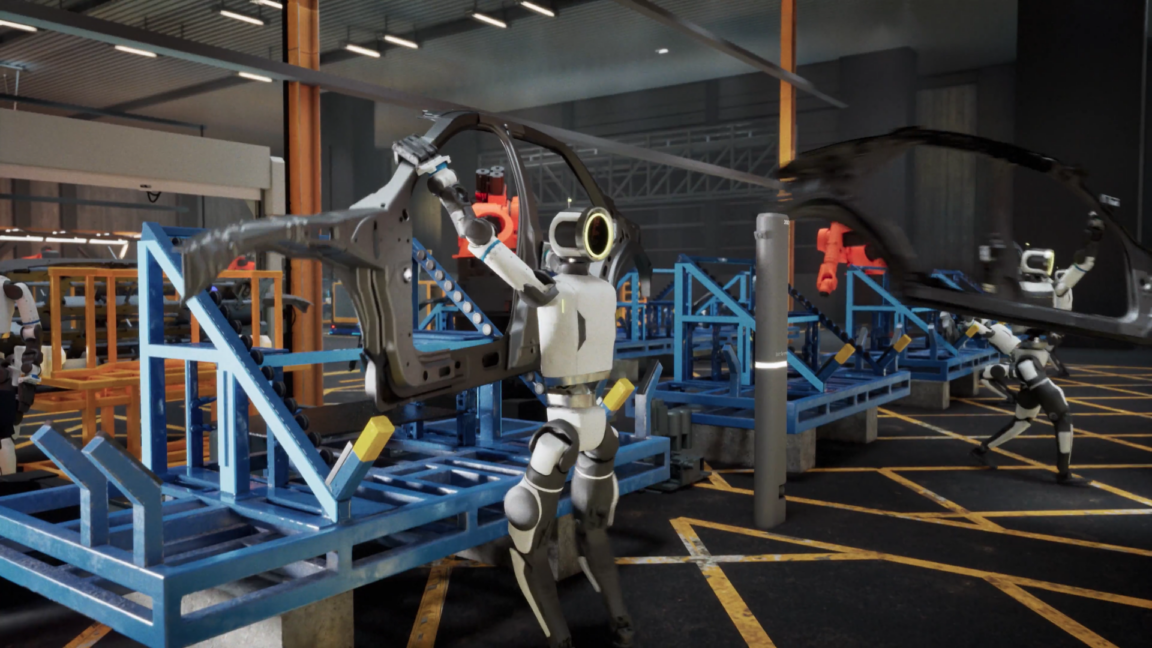
Union concerns surfaced soon after Hyundai Motor Group publicly showcased a production-ready version of the Atlas humanoid robot at the start of the year, signaling plans to put the more than six-foot-tall, 100-pound-lifting machine to work on factory lines. The company aims to deploy more than 25,000 Atlas units across Hyundai and Kia plants, beginning with U.S. factories in 2028, a scale analysts say could eventually make robot operating costs cheaper than the U.S. minimum wage and far below typical auto worker pay.
July: Talks break down, strikes begin
In mid-July, after 15 rounds of negotiations, thousands of unionized workers in Ulsan began partial walkouts when talks with management stalled over how automation and AI would affect work hours, pay, and retirement security. The union demanded a shift from hourly pay to fixed salaries to guard against robot-driven cuts in hours, a higher retirement age, and larger bonuses—moves described as “unprecedented demands seeking to enshrine job protections in the era of robots and AI.”
Hyundai pushes back on the robot link
As strikes escalated, Hyundai insisted that its humanoid robot rollout is not on the table in current labor talks, saying negotiations are focused on compensation issues such as wages, bonuses, and retirement age. The company stressed that “potential deployment of robots in Korean production facilities is not part of the current labor-management discussions” and that initial Atlas deployment is limited to its Georgia EV plant, with any future expansion to be decided “thoughtfully” and in dialogue with local workers.
A test case for global factory automation
The union counters that no “robot using new technology” should enter workplaces without formal agreement, positioning the Ulsan dispute as an early test of how far organized labor can shape the terms of humanoid robot adoption in heavy industry.
Continue reading https://foxvector.com/stories/019f8bd9-ca96-0132-7031-03c1e831c520
Write a comment