Apple’s Ex-Partner OpenAI Now Faces a Trade-Secret Showdown Over the ‘Post‑iPhone’ Future
- Early tensions and a talent drain
- The July lawsuit and explosive allegations
- OpenAI’s defense and communication misfires
- Escalation: letters, devices, and IPO stakes
- Industry reaction and what’s at stake
Apple’s Ex-Partner OpenAI Now Faces a Trade-Secret Showdown Over the ‘Post‑iPhone’ Future
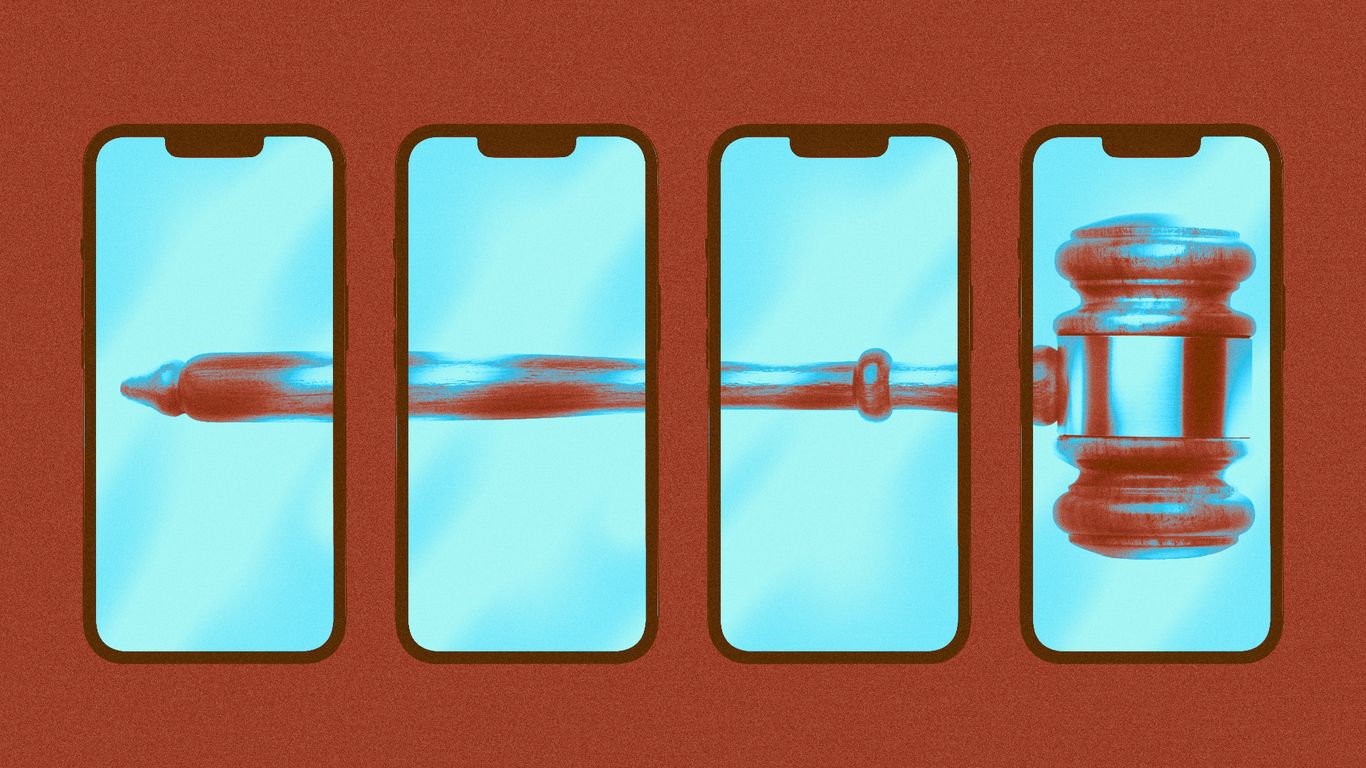
Apple’s once-discreet partnership with OpenAI has ruptured into a full-blown legal war, as the iPhone maker accuses the AI company of building its hardware ambitions on stolen secrets and OpenAI insists it is simply competing fairly.
Early tensions and a talent drain
Over the past few years, OpenAI has hired more than 400 people from Apple, an aggressive move some analysts see as breaking Silicon Valley’s “unwritten code” that startups ultimately feed back into Big Tech rather than challenge it head-on. Apple’s 41-page complaint argues those departures were not routine job changes but part of a “coordinated pattern of misconduct” to build a rival hardware business.
According to Apple, the trouble crystallized around former engineer Chang Liu, who allegedly left in January 2026 but continued accessing Apple’s systems for weeks using an undisclosed authentication bug and an Apple laptop he failed to return. Over that period, he is accused of downloading “dozens” of confidential hardware files, including detailed data on unreleased products and complex circuit boards. Internal messages cited in the suit describe Liu joking, “LOL, I found out I can access the [network storage], so funny,” as he allegedly exploited the bug.
The July lawsuit and explosive allegations
On July 10, Apple filed its trade‑secret lawsuit in federal court, accusing OpenAI and former executives such as longtime Apple veteran Tang Tan of conspiring to “take an unlawful shortcut” toward AI devices as “marketable as Apple’s iPhone.” The complaint claims OpenAI’s hardware chief asked Apple job candidates to bring unreleased components to interviews for “show and tell,” and that leadership “normalized and exemplified” this alleged misconduct.
Apple asserts that its closely guarded product development, manufacturing, and supply‑chain know‑how represents “one of the most valuable intellectual assets in all of American business,” and alleges OpenAI’s nascent hardware unit is “rotten to its core” due to its “illegal reliance on misappropriated trade secrets.” The company is seeking preliminary and permanent injunctions blocking OpenAI and its acquired design studio io from using any Apple trade secrets.
Legal experts note the case hinges on the Defend Trade Secrets Act and could become a vehicle for Apple to pry open “what’s been happening behind closed doors at OpenAI” through discovery, effectively asking a judge to “open OpenAI’s black box.”
OpenAI’s defense and communication misfires
OpenAI has repeatedly denied wrongdoing. “We have no interest in other companies’ trade secrets,” the company said, adding that it is “not aware of any evidence that this complaint has merit” and that it “believe[s] in fair competition and allowing people the freedom to work wherever they choose.” A similar statement stressed OpenAI remains focused on “building innovative technology that empowers people everywhere.”
Apple’s complaint initially claimed OpenAI “never responded” to outreach in February, but later reporting indicated OpenAI did reply and that the exchange fizzled only after an Apple lawyer seemingly mixed up OpenAI staffers with similar last names, adding procedural confusion to an already fraught dispute.
Escalation: letters, devices, and IPO stakes
As the case moved into mid‑July, Apple stepped up pressure. Around July 14, coverage detailed the “wildest claims” in the filing, from alleged coaching on how to evade Apple off‑boarding checks to suggestions that the documented misconduct is only the “tip of the iceberg” that discovery will reveal at greater scale. On July 17, Apple reportedly sent legal letters to roughly 40 former employees now at OpenAI, instructing them to meet with Apple lawyers and “preserve documents and communications,” a move the Financial Times described as Apple targeting “dozens of OpenAI employees with legal letters.”
The timing is critical. OpenAI’s $6.5 billion acquisition of hardware studio io in 2025 was driven by a desire to launch a consumer device, and the lawsuit could slow or derail that plan just as OpenAI eyes an IPO that may already be slipping to next year. Commentators note that CEO Sam Altman, already facing a thicket of lawsuits and regulatory questions, “didn’t need another lawsuit” as he tries to take the company public and push into the device market.
Industry reaction and what’s at stake
The clash has become emblematic of a deeper shift in tech power. One analysis argues OpenAI is “breaking Silicon Valley’s unwritten code” by hiring top Big Tech talent and aiming to replace, rather than supply, core products like the iPhone — a key reason Apple is “so angry.” Apple’s filing itself casts the alleged misconduct as systemic, not the work of “rogue employees,” and predicts discovery “will expose that the misappropriation has been occurring on a scale many times greater” than currently known.
On social media, the reversal has been framed starkly: “Apple just sued OpenAI for trade secret theft in a 41 page federal complaint. The two companies were partners a year and a half ago and now they’re in an all-out legal war over the post-smartphone device future. How quickly do the tables turn,” reads a viral post reshared by Elon Musk.
Beyond the courtroom, the case could test how far an AI upstart can go in recruiting from incumbents and building new hardware before judges redraw the lines on trade‑secret use in the age of foundation models.
Continue reading https://foxvector.com/stories/019f7b1d-0305-2509-7094-04d2aa043b7f
Write a comment