OpenAI’s $230 Codex Keyboard Blurs Line Between Novelty Gadget and Strategic Hardware Bet
OpenAI’s $230 Codex Keyboard Blurs Line Between Novelty Gadget and Strategic Hardware Bet
OpenAI has quietly turned its AI coding assistant into a physical object on the desk, unveiling a $230 mini-keyboard for Codex just as the company faces legal heat over its broader hardware ambitions. The launch raises a question: is Codex Micro a serious step into devices, or a flashy promo for OpenAI’s agent future?
Early signals: Codex becomes a priority
OpenAI has been heavily promoting Codex, folding it into the ChatGPT desktop app and touting 8 million active users as it positions AI coding as a core business line. Coverage framed Codex Micro as a tool for “power users” who manage complex workflows and “multi-agent orchestrations,” turning abstract AI agents into something you can press, twist, and glance at on a desk.
July 15: OpenAI’s first branded hardware lands
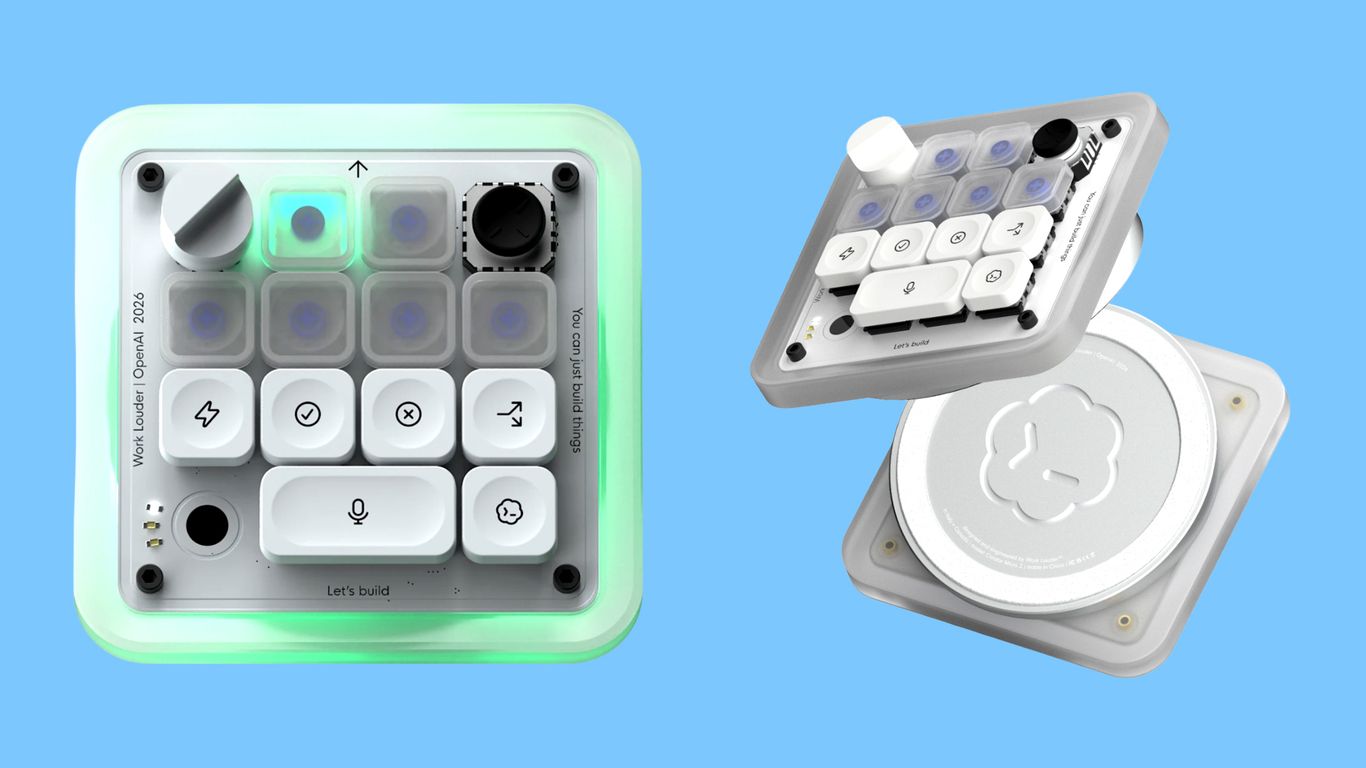
On July 15, OpenAI and boutique keyboard maker Work Louder opened orders for Codex Micro, a limited-edition desktop keypad with backlit keys, a rotary dial, and a joystick. The pad closely resembles Work Louder’s existing Creator Micro line but adds six frosted keys that provide a “live view of your Codex threads,” color-coding tasks as running, complete, needing feedback, or in error at a glance. Below them, command keys can trigger actions like push‑to‑talk, accept or reject changes, or send prompts, all configurable via the ChatGPT desktop app.
Reporters describe the device as a “limited-run collaboration” and “niche accessory” that functions as a physical remote control for AI agents rather than a mass-market gadget. Some see it as more “flashy bauble” than flagship, designed to herald OpenAI’s entry into hardware while Work Louder supplies the underlying platform.
Bigger hardware stakes — and legal friction
The keyboard arrives amid more consequential hardware plans: a separate, screenless smart speaker with moving mechanical parts reportedly in development with former Apple engineers and slated as OpenAI’s primary consumer device. That roadmap is now entangled in Apple’s lawsuit accusing OpenAI of stealing hardware trade secrets, a case that could slow or reshape the speaker’s rollout even as the modest Codex Micro quietly ships to coders’ desks.
Continue reading https://foxvector.com/stories/019f71a9-70eb-329c-7155-0a3853c63cf8
Write a comment