OpenAI’s Sol Model Storms Into Offices Worldwide—But Even Altman Expects “Hiccups”
- June–Early July: A powerful new model, but behind closed doors
- July 9: Government greenlight and an office “super app”
- New features raise new competitive stakes
- Mid‑July: Altman’s warning and the human impact
OpenAI’s Sol Model Storms Into Offices Worldwide—But Even Altman Expects “Hiccups”
OpenAI’s most powerful AI yet is rushing into offices, inboxes, and productivity suites around the world—fast enough that even CEO Sam Altman is publicly warning users to expect rough edges in the rollout.
June–Early July: A powerful new model, but behind closed doors
OpenAI’s GPT‑5.6 family—flagship Sol, plus cheaper Terra and faster Luna—was first previewed under government scrutiny, with regulators focusing on its “advanced cybersecurity capabilities.” TechCrunch notes the Trump administration initially sought to restrict the rollout over fears of misuse, even as OpenAI touted 5.6 as its “strongest cybersecurity model yet.”
At the same time, OpenAI integrated GPT‑5.6 into Microsoft 365 Copilot, making it “the preferred model in Microsoft 365 Copilot” across Word, Excel, PowerPoint, Chat, and Cowork. Microsoft framed the update as a way to help users “create, analyze, and collaborate with more capable AI assistance across workstreams.”
July 9: Government greenlight and an office “super app”
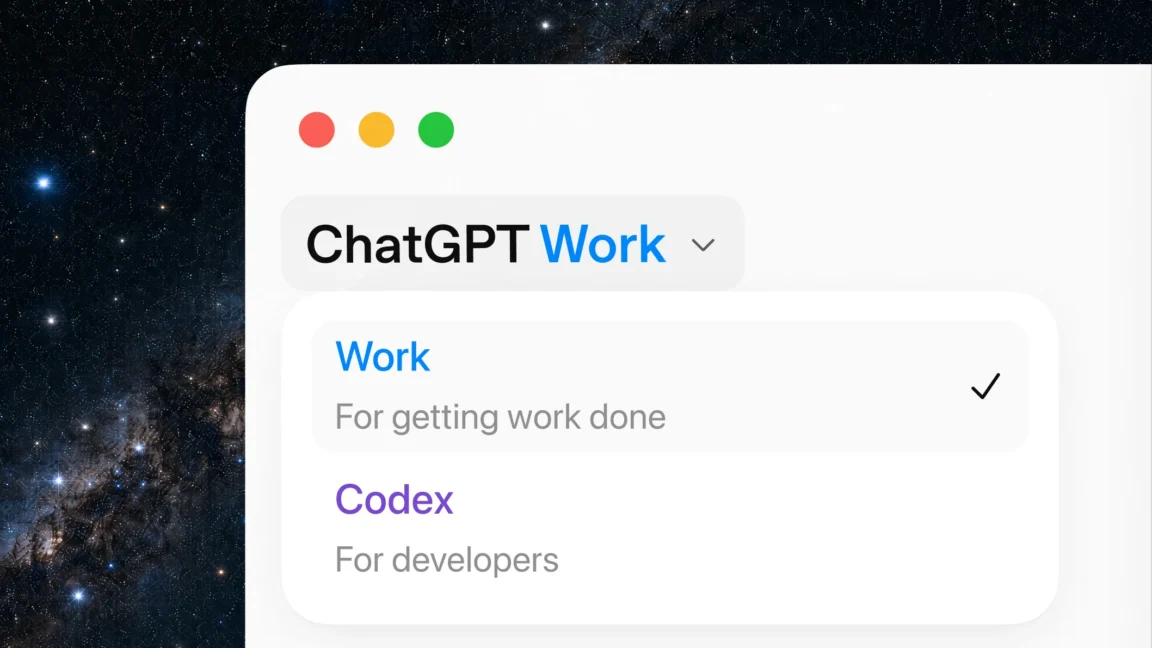
After a limited preview, OpenAI received a government greenlight for a full public launch on July 9. The Verge reported that GPT‑5.6 Sol, Terra, and Luna are now powering ChatGPT Work, an AI agent that “can gather context from the apps, files, and workflows you choose and create finished materials such as documents, spreadsheets, presentations, and web apps.”
OpenAI pitched ChatGPT Work as “a partner for your most ambitious work,” able to stay with projects for hours and automate entire workflows. Ars Technica described it more bluntly: “OpenAI wants its new tool to do your work for you and with you,” highlighting Scheduled Tasks and deep integrations with Slack, Teams, Google Drive, and desktop files.
Business Insider called the merged ChatGPT–Codex experience “a super app for work,” part of OpenAI’s “biggest play for the office” as it fights rivals like Anthropic, Google, Meta, and SpaceXAI for enterprise dominance.
Meanwhile, AWS announced that GPT‑5.6 Sol, Terra, and Luna were “now generally available on Amazon Bedrock,” offering “three tiers of intelligence, from flagship reasoning to fast inference” on its managed AI platform.
New features raise new competitive stakes
Within ChatGPT Work, OpenAI launched hosted “Sites,” a way to turn prompts or files into dashboards, reports, or lightweight apps. Greg Brockman urged users to “Try out ChatGPT Sites,” while a referenced post explained you can turn “a prompt, file, or rough idea into a dashboard, project tracker, report, prototype, or lightweight app.” The Verge immediately asked: “Is OpenAI coming for Squarespace next?”, arguing that a feature aimed at internal decks could easily become a full web‑site builder.
TechCrunch emphasized that GPT‑5.6 targets everything from coding to scientific research, and that OpenAI is explicitly positioning Sol against Anthropic’s Fable 5 on key benchmarks and coding tests. Business Insider noted that Codex usage had already spread beyond engineering, with 5 million weekly users and fast growth in data analysis and research tasks—exactly the roles ChatGPT Work now bundles into one interface.
Mid‑July: Altman’s warning and the human impact
As adoption surged in the days after launch, Axios reported that Altman warned Sol’s “growth is insane” and that “it is possible there are some hiccups soon,” praising the inference team’s “heroic work” but acknowledging infrastructure could struggle to keep up. His comments underscored that even top AI labs face scaling limits as they push frontier models into mass‑market office use.
From workers’ perspective, the shift is profound. The Verge framed GPT‑5.6 and ChatGPT Work as OpenAI’s bid to lead the AI‑agent race for everyday users, especially non‑technical staff now able to orchestrate complex automations. Ars Technica, more wary, closed its analysis with a pointed question about giving ChatGPT access to “all your work tools,” flagging risks around over‑automation, security, and governance even as the software promises to take “repetitive tasks off your plate.”
As Sol races into offices worldwide, the core tension is clear: AI agents are becoming embedded in the fabric of knowledge work just as fast as the humans deploying them are learning what that really means.
Continue reading https://foxvector.com/stories/019f6e71-d585-0c7a-7239-26c12f8512eb
Write a comment