From Partners to Courtroom Rivals: Inside Apple’s Explosive Trade‑Secrets War With OpenAI
- Early collaboration and rising hardware ambitions
- Apple’s investigation and the “rare” bug
- The July 10 lawsuit: a “coordinated pattern” vs. fair recruiting
- OpenAI’s response and broader context
- Industry reaction and stakes for AI
From Partners to Courtroom Rivals: Inside Apple’s Explosive Trade‑Secrets War With OpenAI
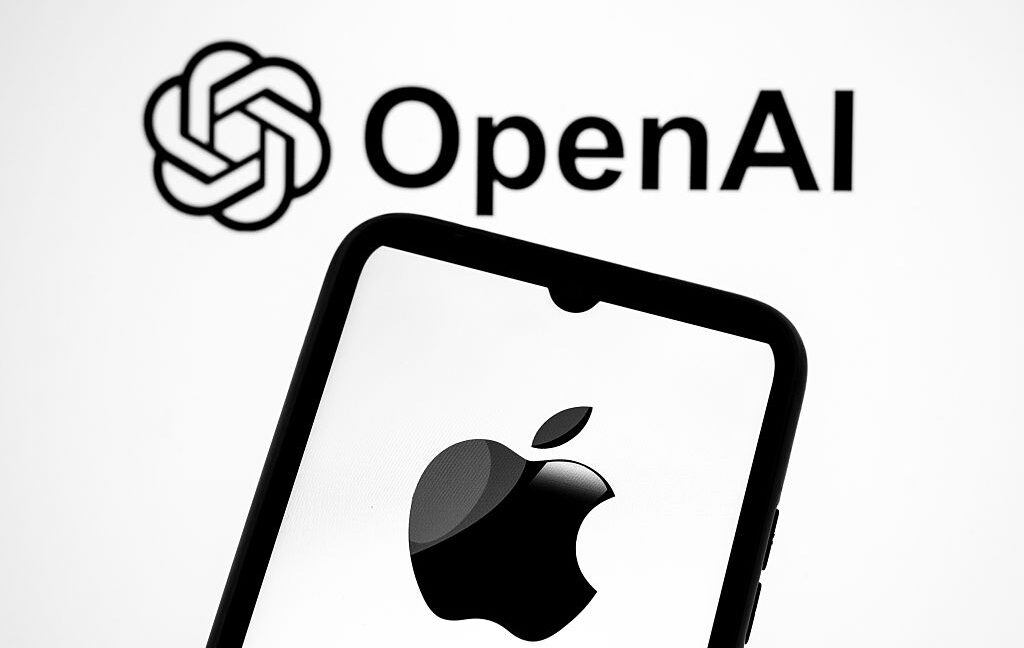
Apple’s once-promising alliance with OpenAI over future AI products has ruptured into a courtroom clash that could reshape the race for the post‑smartphone device.
Early collaboration and rising hardware ambitions
In 2023, Apple began collaborating with former design chief Jony Ive and OpenAI on next‑generation hardware concepts, a relationship that culminated in OpenAI’s 2025 acquisition of Ive’s hardware startup, IO Products, for $6.5 billion. By early 2026, OpenAI was rapidly staffing up a hardware team, led by longtime Apple executive Tang Tan, to build its first AI device, rumored to compete directly with the iPhone.
Apple’s investigation and the “rare” bug
Apple’s internal probe began after engineer Chang Liu left for OpenAI in January 2026. According to Apple’s complaint, Liu kept an Apple‑issued laptop and, weeks later, discovered a previously unknown authentication bug that still let him access Apple’s shared network folders from that machine. Rather than report the flaw, Apple alleges, Liu downloaded “dozens” of confidential hardware files, including detailed circuit‑board presentations for unreleased products.
The July 10 lawsuit: a “coordinated pattern” vs. fair recruiting
On July 10, Apple filed a 41‑page federal complaint in Northern California accusing OpenAI, IO Products, Tan and Liu of a “pattern of theft” of trade secrets to jump‑start OpenAI’s nascent hardware business. One Apple filing calls that business “rotten to its core” due to its alleged reliance on misappropriated secrets.
Apple says OpenAI turned recruiting into an intelligence operation, alleging interviewers pushed Apple candidates to prepare “Technical Deep Dive” talks based on confidential work and even bring physical parts—“batteries, logic boards, and glass samples”—for “show and tell.” The complaint further claims Tan circulated an Apple off‑boarding document to help new hires “dodge” exit security checks and probed candidates using secret Apple code names.
OpenAI’s response and broader context
OpenAI denies wrongdoing, insisting it has “no interest in other companies’ trade secrets” and remains focused on “building innovative technology that empowers people everywhere.” It says its AI models are trained on public data and that it has “robust measures” to protect intellectual property.
Legal experts note the case sits on a blurry line familiar in Silicon Valley, where aggressive hiring can shade into alleged theft. Business Insider points out Apple itself has faced similar accusations from Masimo and A123 Systems over recruiting key staff and allegedly exploiting their know‑how, disputes that led to a $634 million patent verdict against Apple but no definitive trade‑secret finding.
Industry reaction and stakes for AI
Commentators frame the suit as part of a broader AI and hardware power struggle. One widely shared post, amplified by Elon Musk, notes that “the two companies were partners a year and a half ago and now they’re in an all‑out legal war over the post‑smartphone device future. How quickly do the tables turn.”
For OpenAI, already juggling multiple lawsuits as it heads toward an IPO, one litigator calls the broader legal landscape “a trillion‑dollar question” around how far AI firms can go in leveraging others’ data and talent. For Apple, the case is a test of how forcefully it can police its hardware secrets as rivals try to build the next must‑have AI device.
Continue reading https://foxvector.com/stories/019f6bdf-1945-3f2f-707b-39deeea3bf89
Write a comment