Nationwide parasite outbreak turns lettuce and Taco Bell into suspects as officials race for answers
Nationwide parasite outbreak turns lettuce and Taco Bell into suspects as officials race for answers
A fast-spreading intestinal parasite is sickening thousands across the US, and in the absence of clear answers, the public has zeroed in on lettuce and Taco Bell as prime culprits — even as investigators say the reality is more complicated.
Early surge and Michigan’s explosive spike
Through mid-July, more than 5,000 people nationwide have been infected with Cyclospora, leading to at least 141 hospitalizations, according to federal tallies. Michigan has been hit especially hard, reporting 3,309 cases and 44 hospitalizations, compared with roughly 50 cases in a typical year.
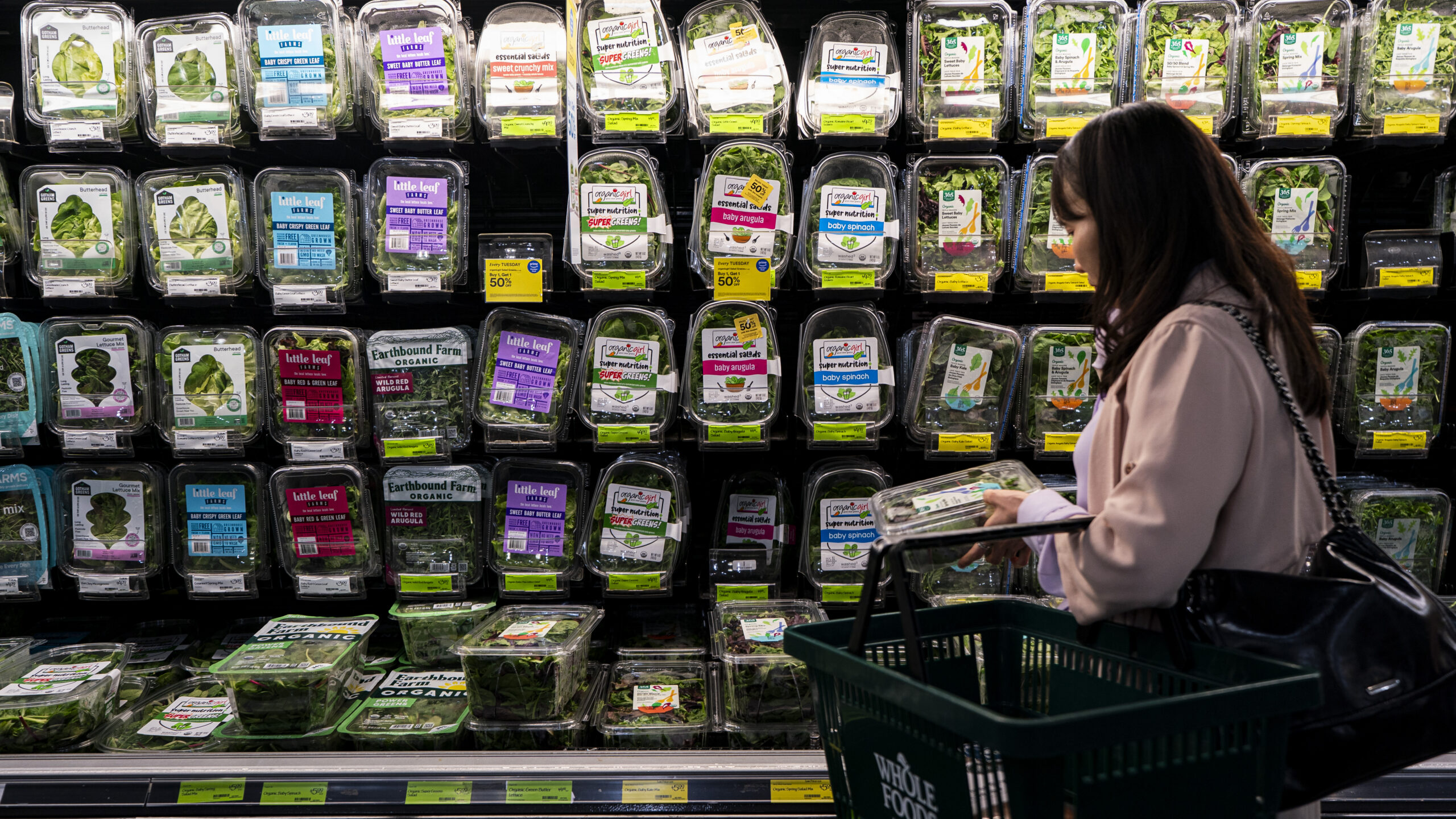
As Michigan health officials interviewed more than 1,000 patients, patterns began to emerge. The Michigan Department of Health and Human Services said “lettuce and salad greens have become the prime suspects,” noting that “early information has shown lettuce as a common product that regularly comes up during the investigation.”
Taco Bell enters the picture
While no single product has been confirmed, federal and state investigators also began examining whether Taco Bell locations may have served contaminated food. Local media in the Detroit area reported signs at Taco Bell restaurants stating, “We are currently unable to sell Lettuce, Cilantro, Onion, Pico de Gallo, and Guacamole due to a nationwide recall,” even though no such recall had been announced by Michigan or federal authorities.
Some sick patients reported eating at Taco Bell, while others did not, suggesting there may be multiple contaminated sources rather than a single restaurant chain.
A blame game fueled by data gaps
With the parasite’s incubation period stretching up to two weeks and produce supply chains spanning farms, processors, and distributors, tracing Cyclospora is notoriously difficult. Health agencies are moving cautiously and have not confirmed a culprit, creating an information vacuum.
That gap has helped fuel online speculation and finger-pointing. One analysis urged readers, “Don’t blame the explosive diarrhea parasite on Taco Bell,” arguing the outbreak is “a symptom of federal budget cuts and a scary vision of how America deals with a health crisis in the future,” and warning that people are turning to crowdsourced information — and misinformation — in the absence of clear guidance.
For now, officials continue to probe leafy greens and other possible sources, promising updates as more data comes in — but with thousands already sick, the public’s search for someone to blame is running ahead of the science.
Continue reading https://foxvector.com/stories/019f6a94-f773-0908-72ff-20b755ef15ce
Write a comment