AI ‘godfathers’ race to build a US‑led global watchdog as the rest of the world doubts “sovereign AI”
AI ‘godfathers’ race to build a US‑led global watchdog as the rest of the world doubts “sovereign AI”
The world’s most powerful AI labs are simultaneously calling for strict new rules and consolidating control over how those rules might be written — just as other countries fear being locked into an AI order dominated by the US and China.
Early warnings and a shrinking “window”
In mid-July, DeepMind chief Demis Hassabis warned that society has only a “precious window” to prepare for “technology advancing at historic speed,” urging the creation of a US‑led body to test cutting‑edge “frontier” AI models before release. On the same day, he sharpened the message in US media, arguing that “it’s time for a global AI watchdog” with powers to halt dangerous systems worldwide.
Within hours, further details emerged: Hassabis proposed an independent “standards body,” modeled on Wall Street’s FINRA, that would review advanced models up to 30 days before deployment and eventually become mandatory for access to the US market.
Convergence in Washington
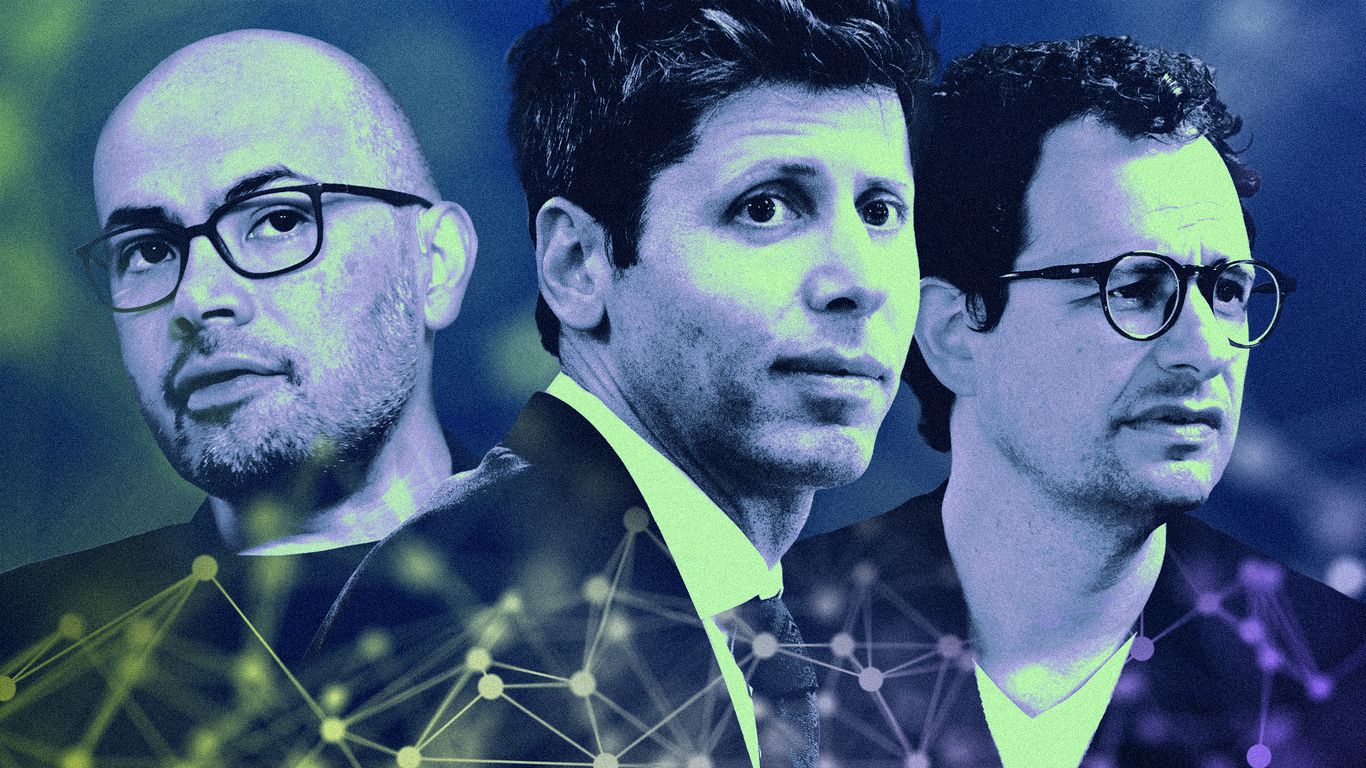
Over the next two days, Axios reported that Hassabis, OpenAI’s Sam Altman, and Anthropic’s Dario Amodei — “the three men racing hardest to build superhuman AI” — had each laid out regulatory blueprints converging on the same core ideas: independent pre‑release testing, a single governing system, and an “America First” framework for an agency with international reach. Industry figures from Microsoft to Elon Musk lined up to praise Hassabis’ plan, while US officials, wary of creating an “FDA for AI,” privately conceded that a purely hands‑off approach is now “untenable.”
TechCrunch’s account of the same proposal stressed that the body would be backed by Washington but funded and staffed by industry experts, aiming to be “technically focused” while still “supporting innovation and incentivising” safety work.
Global ambitions, local dependence
As the G7 met in the French Alps later in July, Altman, Hassabis and Amodei were seated alongside world leaders — a vivid sign that “the stewards of the mightiest economies” are now courting the “potentates of AI.” Yet The Economist argued that true “sovereign AI, independent of America and China, is a pipe dream,” warning in a companion editorial that efforts to “lessen dependence on America and China” are colliding with the reality that US‑based frontier labs still set the pace.
That imbalance is already prompting pushback. Hugging Face CEO Clément Delangue amplified a TechCrunch warning that “the real AI race may no longer be at the frontier,” hinting that as Washington and the big labs focus on the very top end, the rest of the world may try to compete on open models, infrastructure, and deployment — even if a fully independent alternative remains out of reach.
Continue reading https://foxvector.com/stories/019f6a94-f72b-0dcc-70ff-216d631b39b6
Write a comment