Meta’s Muse Image AI Went From Breakthrough to Backlash in Just Three Days
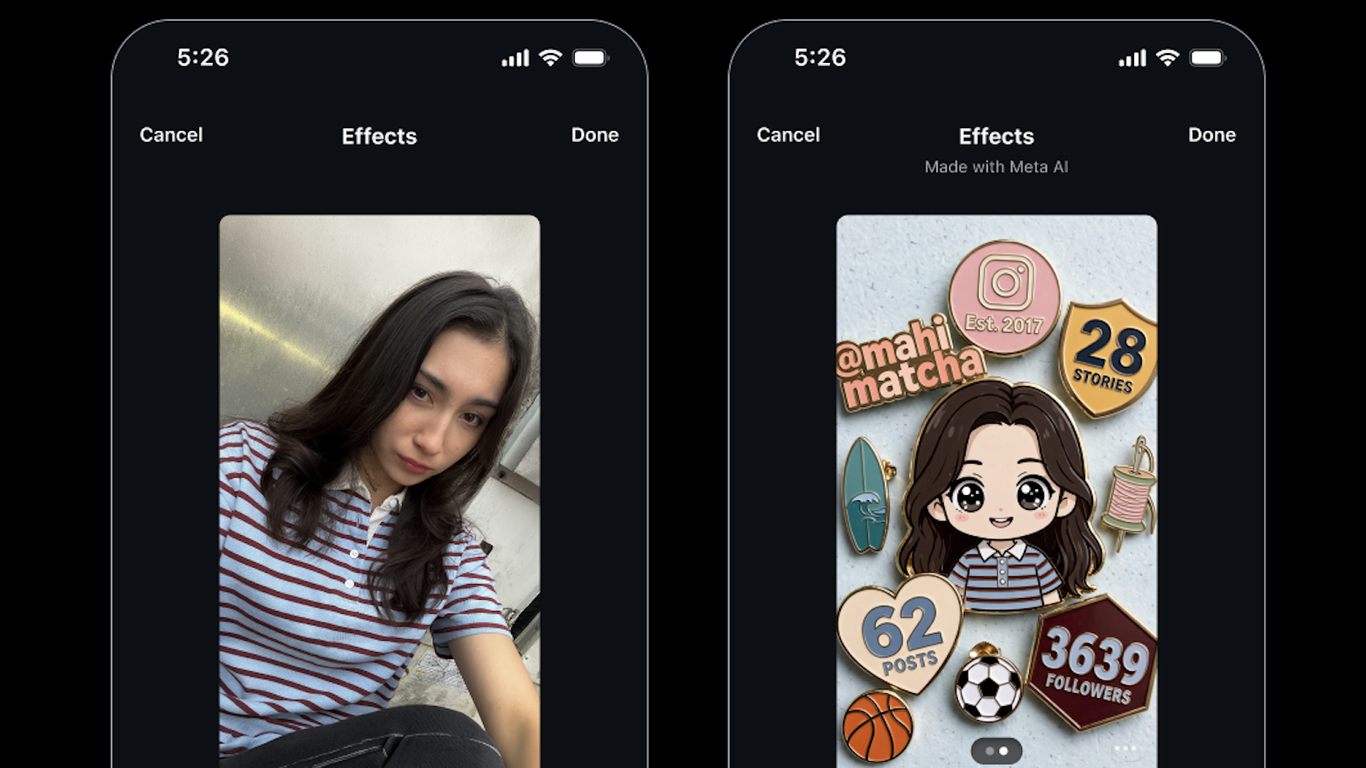
- Tuesday: Meta launches Muse Image and touts its AI leap
- Mid‑week: Users and advocates discover the consent problem
- Friday: Unions, talent agencies, and safety groups push back
- Meta retreats, but the AI consent fight remains
Meta’s Muse Image AI Went From Breakthrough to Backlash in Just Three Days
Meta’s latest attempt to showcase its AI ambitions on Instagram lasted less than a week, collapsing under a wave of consent and privacy backlash that exposed a deep rift between rapid AI deployment and user trust.
Tuesday: Meta launches Muse Image and touts its AI leap
Earlier in the week, Meta unveiled Muse Image, the first image-generation model from its new Meta Superintelligence Labs, powering tools across Meta AI, Instagram, and WhatsApp. The system let users generate images by @-mentioning public Instagram accounts so the AI could “use public photos to build a visual” of that person.
At the same time, CEO Mark Zuckerberg was publicly celebrating the broader Muse tech stack, announcing Muse Spark 1.1 as “a strong agentic and coding model at a very low price” and highlighting a new Meta Model API for developers.
Mid‑week: Users and advocates discover the consent problem
As the feature rolled out, guides quickly appeared explaining “how to stop Meta’s AI from using your photos,” warning that any adult with a public profile could be tagged and incorporated into AI creations without notice. Privacy advocates flagged the lack of explicit consent and the risk of harassment, deepfakes, and impersonation.
Critics framed the issue as part of a broader AI-era fight over opt-in vs. opt-out use of people’s likenesses. Public Citizen called Meta’s move an “egregious invasion” of privacy, arguing “people should not wake up to discover their face has become raw material for someone else’s AI experiment.”
Friday: Unions, talent agencies, and safety groups push back
Entertainment unions and talent agencies escalated the pressure. SAG-AFTRA said that “anything other than a clear and conspicuous OPT-IN” for such uses is “unacceptable,” applauding Meta’s eventual reversal as “the responsible thing to do.” Talent giant CAA insisted that “no one’s name, image, likeness, voice, or creative work should be used…without clear, documented consent.”
Safety advocates warned the tool “obviously erode[s] our rights to our own likeness” and is an “obvious tool for #sextortion and other scammers,” criticizing Meta for pushing “high-risk design” and forcing users to hunt for opt-out controls.
Meta retreats, but the AI consent fight remains
By Friday, under “scrutiny from users and talent agencies, including CAA,” Meta disabled the @-mention capability inside Muse Image, acknowledging the feature “missed the mark” and is “no longer available.” Other Muse Image editing tools remain.
The episode underscores a widening gap: AI labs racing to ship powerful, low-cost “agentic” models, and users, unions, and advocates demanding slower rollouts, clearer consent, and genuine control over how their images fuel the AI era.
Continue reading https://foxvector.com/stories/019f62db-5bda-1261-7385-0a94be64e822
Write a comment