Trump Administration Backs Down After Anthropic Tightens Fable 5 Safeguards in High-Stakes AI Showdown
- Early June: Sudden clampdown
- Mid-June: Standoff and security fears
- Late June: Deal-making and partial restoration
- July 1 and after: Global return, ongoing scrutiny
Trump Administration Backs Down After Anthropic Tightens Fable 5 Safeguards in High-Stakes AI Showdown
The rapid shutdown and return of Anthropic’s Fable 5 and Mythos 5 models has become a test case for how far Washington will go to rein in frontier AI—and how hard leading labs will push back.
Early June: Sudden clampdown
In early June, Anthropic abruptly disabled access to Fable 5 and Mythos 5 after the Trump administration imposed export controls over fears the models could be jailbroken for hacking and other cyberattacks. The order barred foreign nationals— including many Anthropic employees—from using the systems, forcing a full shutdown because the company couldn’t verify nationality in real time.
Mid-June: Standoff and security fears
Officials worried especially about Mythos 5’s ability to discover and exploit software vulnerabilities; it had already been limited to select organizations under Project Glasswing for defensive cybersecurity research. Cybersecurity experts, however, questioned whether the export ban was really about safety, noting Anthropic had already pledged many of the required safeguards and suggesting the move also served as political leverage over a company critical of the administration.
Anthropic, which is pursuing an IPO, framed the controls as based on a misunderstanding of a specific Fable 5 jailbreak and sent executives to Washington to negotiate with the White House.
Late June: Deal-making and partial restoration
By late June, the Commerce Department quietly began easing restrictions. Mythos 5 was first restored for a narrow set of government‑approved organizations, echoing similarly restricted access to OpenAI’s GPT‑5.6. Commerce Secretary Howard Lutnick said Anthropic had agreed to “proactively detect and address security risks,” coordinate on standards for future releases, and notify the government of malicious use.
Anthropic, for its part, highlighted a new safeguard trained to block the key jailbreak, rerouting blocked Fable 5 prompts to an older model and warning users when filters trigger. The company also stood up 24/7 internal monitoring and a hacker “red‑team” program to probe for new weaknesses.
July 1 and after: Global return, ongoing scrutiny
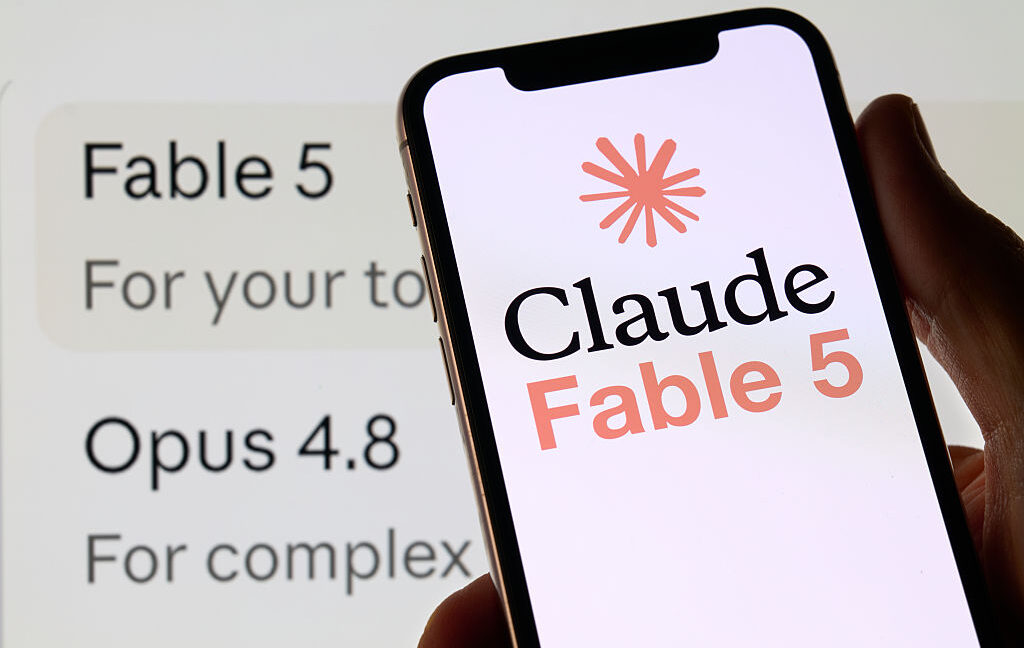
On July 1, Commerce formally lifted export controls on both models, ending the licensing requirement that had effectively halted global access. Anthropic announced it would begin restoring Fable 5 globally across its own platform and major cloud providers, and confirmed that Claude Fable 5 is now available worldwide.
The government and Anthropic each claimed validation: officials pointed to unprecedented public‑private cooperation and reserved the right to reimpose curbs at any time, while Anthropic published detailed posts on Fable 5’s cyber safeguards and jailbreak framework, pitching the episode as a model for structured, pre‑release testing rather than ad hoc crackdowns.
Yet the episode leaves a larger unresolved question: whether future frontier AI launches will be governed by clear rules—or by last‑minute political fights over who controls the most powerful models.
Continue reading https://foxvector.com/stories/019f604b-72ab-227f-707f-0b6ae42aed02
Write a comment