Apple and Microsoft Raise Prices on Devices Citing AI-Driven Memory Chip Shortage
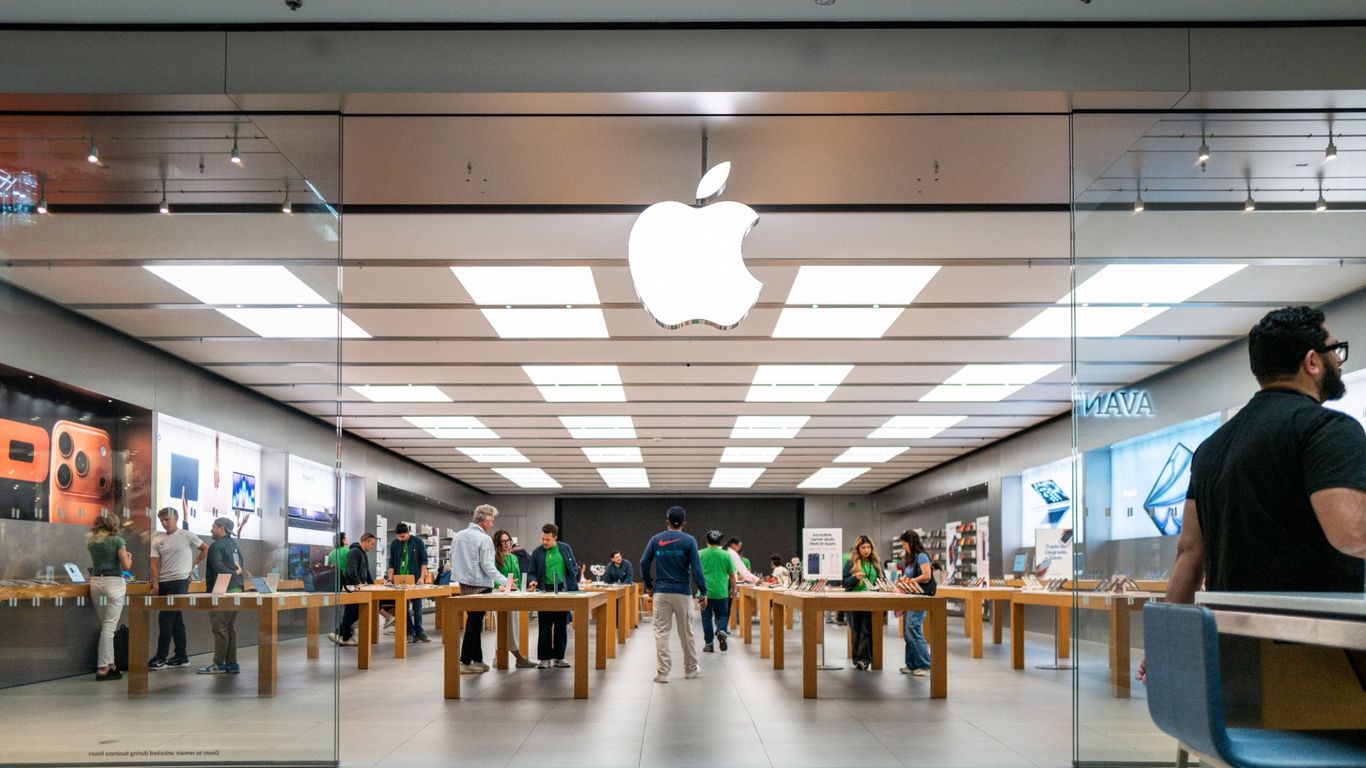
Apple and Microsoft Raise Prices on Devices Citing AI-Driven Memory Chip Shortage Apple’s AI ambitions are now showing up on price tags, as a once-quiet memory chip crunch spills over from data centers into living rooms and backpacks.
In mid-June, Apple CEO Tim Cook warned that soaring memory costs had become “unsustainable” for consumer products, after months of trying to shield buyers from increases. Around the same time, Apple quietly trimmed configurations, dropping lower-capacity Mac Studio and Mac Mini options, signaling strain in its component supply.
On June 25, Apple made the shift public, announcing 15%–25% price hikes on MacBook and iPad models, explicitly blaming an “extraordinary surge in demand for memory and storage” from AI data centers and calling it “an unprecedented challenge.” The MacBook Neo’s headline $599 starting price jumped to $699, while iPads rose by $100–$200 across the range. Separately, the Financial Times reported average MacBook and iPad increases of about 20%.
Industry watchers noted how unusual this is for Apple, which rarely changes prices mid-cycle; one analysis called the situation “RAMageddon” and argued that when Apple raises prices, it’s “reverse canary in the coal mine” proof that “shit is well and truly real.”
The same day, Microsoft said Xbox consoles would become $100–$150 more expensive starting August 1, citing memory and storage costs that have “more than doubled since last fall,” a major blow for low-margin hardware. Sony, Nintendo and others had already moved earlier in the year, pushing up prices on PlayStation, Switch and other devices.
By June 26, analysts were calling it an “AI price shock,” arguing that decades of steadily falling gadget prices were being reversed as AI infrastructure hoovers up chips, electricity and data-center space. Business Insider reported that hyperscalers like Meta, Google and Amazon are outbidding consumer brands for limited memory capacity, with shortages and elevated prices likely persisting “beyond 2027.”
Tech leaders now openly describe the crunch as historic. Cook has said he’s never seen a component price increase this extreme in over 40 years, while Elon Musk amplified that view on X, calling it the “biggest price jump in anything I’ve ever seen” and arguing that “MUCH higher production is needed.”
Apple, for its part, is scrambling on multiple fronts: it is fast-tracking security updates to counter AI-accelerated cyber threats, even as it restructures its hardware supply chain with new chip deals to “reduce this pressure” from memory costs.
Continue reading https://foxvector.com/stories/019f1990-f144-1aeb-72e0-0fa23c10373b
Write a comment