Bank for International Settlements Warns of Potential AI Investment Bust
Bank for International Settlements Warns of Potential AI Investment Bust The world’s top forum for central banks is warning that today’s AI boom, which has helped power global growth, may be setting the stage for a painful bust with far‑reaching financial fallout.
Early concerns about AI “exuberance”
In late June, the Bank for International Settlements (BIS) began sounding the alarm that current AI “exuberance” could end in a “lengthy investment bust.” The institution warned that weak or disappointing returns from massive AI outlays could trigger a sharp pullback in funding for tech companies, threatening both credit markets and the broader global economy.
Historical echoes: canals, railroads, and the internet
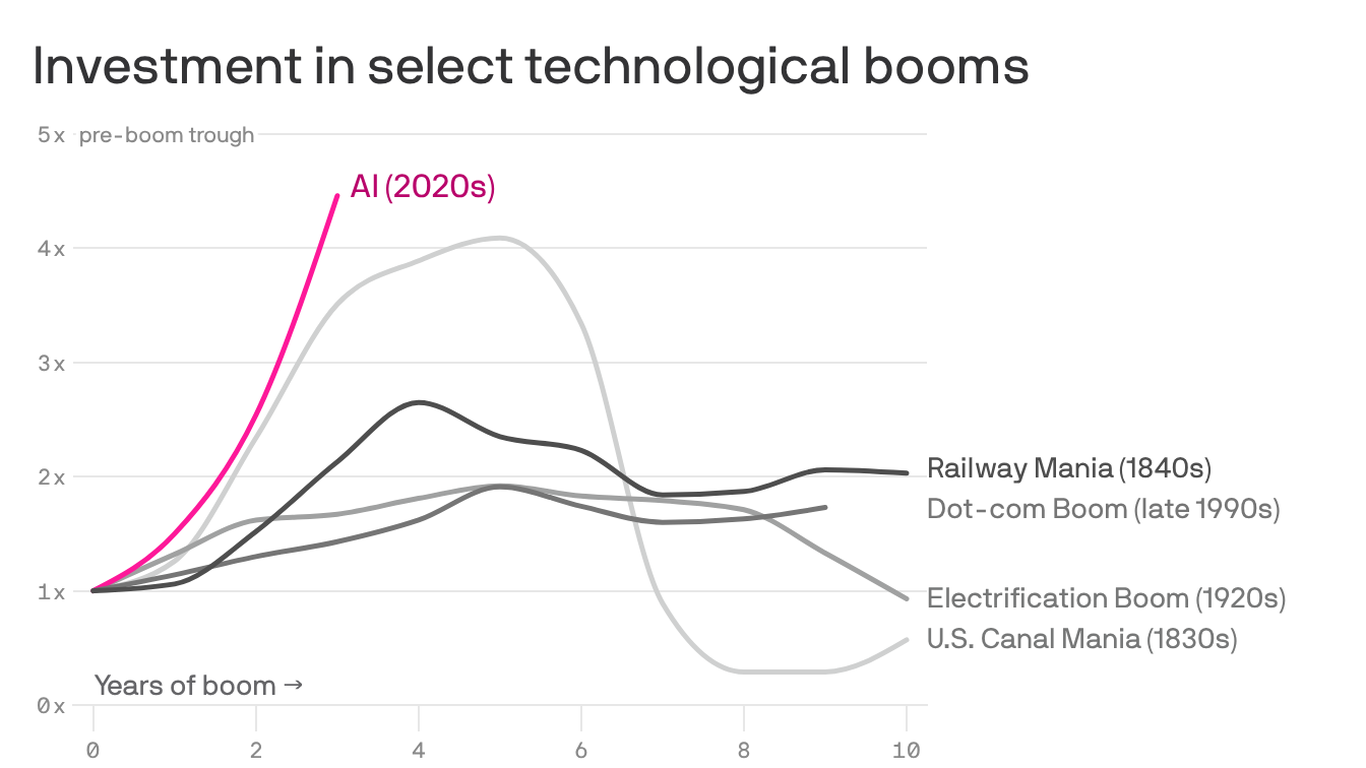
By June 30, analysis of the BIS report was drawing explicit parallels between AI and earlier capital booms in canals, railroads, and the internet, where investment surged ahead of proven returns and ultimately reversed in painful busts. The BIS noted that these past episodes “ended with an eventual reversal in investment, inducing economy‑wide recessions,” and said the “scale and pace of the current AI investment boom” bear a worrying resemblance.
The report cautioned that if AI returns disappoint, today’s spending surge could become “a protracted investment bust,” with stress spreading across the financial system, including private credit funds already facing redemption pressure from AI‑exposed borrowers.
Systemic risk and 2008-style credit fears
In its annual report, the BIS went further, warning that an AI bust could disrupt credit markets on a scale comparable to the 2008 financial crisis. It highlighted opaque “circular financing” structures in which chipmakers and hyperscalers take equity stakes in AI labs or cloud providers that, in turn, commit to multi‑year purchases from those same firms, with poorly disclosed terms and assets potentially pledged multiple times.
The BIS concluded that a repricing of risk—“whether triggered by higher interest rates or an AI bust”—could be “similarly disruptive” to credit as the 2008 crisis, especially given compounding pressures from inflation and sovereign debt vulnerabilities.
Continue reading https://foxvector.com/stories/019f1847-97ec-3bc5-7178-3ccf142c3c7e
Write a comment