Singer Nina Badrić Holds Concert at Sava Center in Belgrade
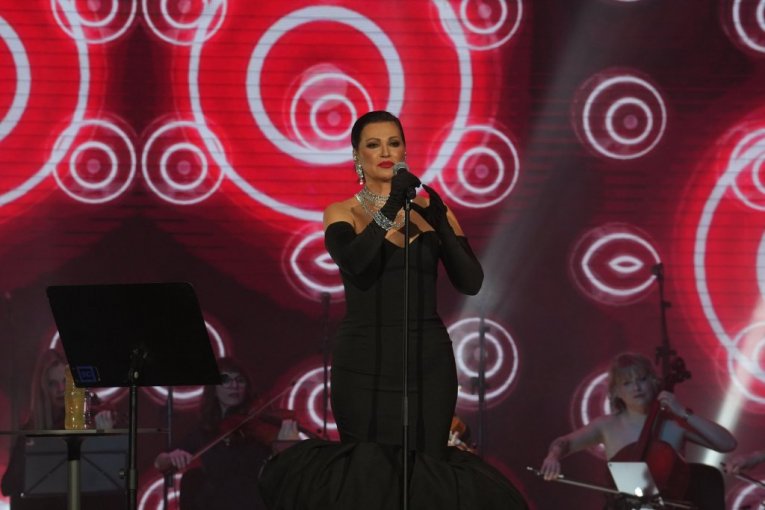
Singer Nina Badrić Holds Concert at Sava Center in Belgrade pro-government Pro-government coverage presents Nina Badrić’s Sava Center concert as a major, sold-out cultural event that confirms her status as a regional star and underscores Belgrade’s role as a key entertainment hub. These outlets highlight the emotional tribute to Aleksandra Milutinović and the presence of numerous celebrities as symbols of a vibrant cultural life under current conditions. @Republika Singer Nina Badrić, a Croatian pop star with a strong regional following, held a major concert at the renovated Sava Center in Belgrade, drawing a full house according to available reports. Media agree that she performed a selection of her biggest hits and that the program included a standout emotional moment when she stopped the concert to address Serbian songwriter Aleksandra Milutinović, recalling their first meeting and the creation of the song “Da se opet tebi vratim.” Coverage also notes that numerous public figures and celebrities attended the event, framing it as a high-profile cultural evening in the Serbian capital.
Shared context across coverage emphasizes Badrić’s long-standing status as a regional music star whose repertoire and collaborations cross national lines in the former Yugoslav space. The Sava Center itself is presented as a key Belgrade venue for major cultural and entertainment events, so her ability to fill the hall is treated as confirmation of her enduring popularity with local audiences. Reports also situate the concert within an ongoing pattern of regional performers regularly appearing in Belgrade, highlighting the continued commercial and cultural appeal of cross-border pop acts regardless of political differences.
Points of Contention
Tone and framing of the event. Pro-government outlets frame the concert as an unambiguously glamorous and uplifting cultural spectacle, focusing on the packed hall, polished production, and celebratory atmosphere. Opposition-aligned outlets, when they cover such events, are more likely to downplay the spectacle, treat it as routine entertainment rather than a landmark occasion, or ignore it altogether in favor of harder political or social stories. While pro-government media emphasize that the hall was “full” and stress Badrić’s star power, opposition sources tend to avoid amplifying narratives that can be read as symbolic confirmations of normalcy and success under the current authorities.
Celebrity presence and symbolism. Pro-government reporting highlights the attendance of many well-known public figures, presenting their presence as proof that the concert was a central cultural happening and subtly linking that prestige to Belgrade’s image under the current government. Opposition-oriented outlets are more inclined to treat celebrity gatherings as superficial, sometimes suggesting they are part of a broader entertainment-driven distraction from governance issues, and therefore do not dwell on who attended or what that symbolizes. In doing so, they implicitly question the political value of showcasing star-studded events as indicators of societal well-being.
Cultural politics and regional relations. Pro-government sources underscore the regional character of Badrić’s fame and the cross-border appeal of her music, implicitly using the concert to suggest that Serbian cultural life is open, attractive, and successfully integrated into the wider ex-Yugoslav entertainment space. Opposition-aligned media, by contrast, tend to be more skeptical of cultural events being used as soft proof of regional leadership or stability, and may frame such concerts as commercially driven rather than evidence of genuine cultural rapprochement. As a result, where pro-government narratives see the event as confirmation of Belgrade’s centrality in the regional music market, opposition narratives are more likely to treat it as one show among many, without larger political meaning.
Relationship to domestic political narratives. Pro-government coverage often folds the concert into a broader storyline of Belgrade as a thriving, modern city whose refurbished venues and big-name acts demonstrate the success of recent investments and, by implication, government stewardship. Opposition-aligned outlets are more likely to compartmentalize the concert from governance performance, avoiding any suggestion that a successful pop event reflects deeper institutional health and sometimes contrasting such spectacles with reports on economic strain or corruption. Thus, the same concert can be deployed by pro-government media as ambient validation of the status quo, while opposition media resist that linkage by keeping cultural coverage narrower and more detached from political messaging.
In summary, opposition coverage tends to either downplay or de-politicize Nina Badrić’s Sava Center concert, treating it as ordinary entertainment and resisting its use as proof of broader governmental success, while pro-government coverage tends to lavish attention on the full hall, celebrity attendance, and regional symbolism, folding the event into a narrative of cultural vitality and a thriving, well-managed Belgrade. Story coverage nevent1qqs9f2c5tvwyfnah4pr67lryrsaw0pv2u7ya59eglmx5f3w4xs4m99gy6j05n nevent1qqs9ukdznr8ctx8rxe77sjrk0qdxzg2hcxzezvwsgcdje277kpyw8ns9895mf