Nevenka Bogdanović Creates Successful Business Making Natural Soaps
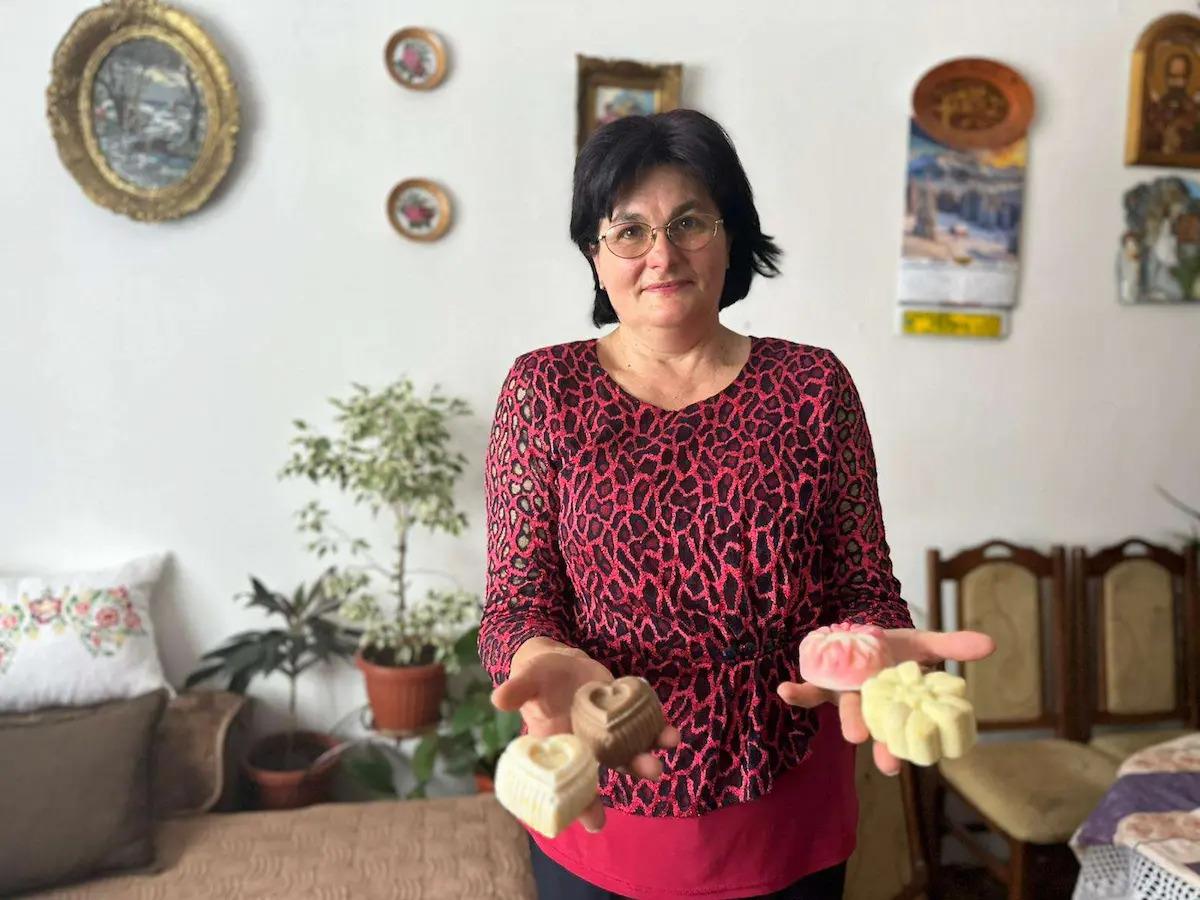
Nevenka Bogdanović Creates Successful Business Making Natural Soaps pro-government Pro-government coverage portrays Nevenka Bogdanović as a model rural entrepreneur who has built a very successful, even lucrative, business by turning traditional soap-making knowledge and local natural resources into high-quality, hypoallergenic products. Her story is framed as evidence that respect for tradition, personal initiative, and the existing business environment together enable a fulfilling, sustainable livelihood in the countryside. @Kurir @Republika Nevenka Bogdanović, a woman from the village of Rošci near Kablar mountain, has built a small but successful business producing natural, hypoallergenic soaps and balms using ingredients available in her immediate surroundings and on her farm. Reports agree that she draws on skills learned in childhood and later formalized through agricultural education to revive traditional soap-making methods, transforming fats, herbs, and other local raw materials into value-added cosmetic and wellness products. Her products are presented as gentle, suitable even for sensitive skin, and appreciated by a growing base of repeat customers whose word-of-mouth support helps sustain sales despite limited access to formal marketing channels.
Coverage also agrees that Nevenka’s story sits at the intersection of rural life, tradition, and contemporary entrepreneurship, illustrating how family knowledge and agricultural know-how can be turned into a modern micro-business. The case is framed as part of a broader trend of revaluing natural ingredients and artisanal production in response to industrial cosmetics, with nature and local ecosystems portrayed as key institutional “partners” in her work. Both perspectives highlight the importance of rural communities, small-scale producers, and informal distribution networks in enabling such ventures, and they converge on the idea that combining traditional practices with modern awareness of health and environmental concerns can create viable, dignified livelihoods in the countryside.
Points of Contention
Framing of success. Opposition-aligned outlets, where they cover similar rural entrepreneurs, tend to frame such stories cautiously, emphasizing structural barriers, precarious incomes, and the fragility of relying on word-of-mouth and informal markets, implying that Nevenka’s success is inspiring but atypical. Pro-government outlets, by contrast, emphasize that her business is already “very successful” and “lucrative,” presenting it as a clear example of how individual initiative and respect for tradition naturally lead to prosperity. While the opposition side would likely stress that her achievements occur in spite of systemic obstacles, pro-government reports suggest they are evidence that the environment is already enabling and supportive.
Role of the state and institutions. Opposition coverage of comparable cases usually underscores the absence of meaningful institutional support, pointing to limited subsidies, complicated certification for natural cosmetics, and scarce access to official sales channels, framing entrepreneurs like Nevenka as largely abandoned by state structures. Pro-government media, in covering Nevenka, keep the focus on her personal story and on nature itself as her primary “ally,” downplaying or omitting discussion of regulatory burdens or gaps in rural development policy. As a result, opposition narratives would likely treat her as evidence for needed reforms in agricultural and small-business support, while pro-government narratives present her path as accessible without major institutional overhaul.
Symbolic meaning of rural entrepreneurship. For opposition-aligned sources, rural success stories typically serve double duty: they celebrate human resilience while also highlighting depopulation, youth emigration, and underinvestment in villages, suggesting that individual cases like Nevenka’s cannot reverse broader negative trends without systemic change. Pro-government outlets, however, often use figures like Nevenka as emblematic of a “rural renaissance,” stressing the harmony of tradition, family, and entrepreneurship, and implying that such examples show that countryside life can be both modern and prosperous. Thus, opposition narratives cast her as a rare exception in a struggling rural landscape, whereas pro-government narratives cast her as evidence of a broader positive trajectory.
Commercial and health claims. Opposition-aligned discussions of natural products tend to be more guarded about health and commercial claims, emphasizing the need for transparent testing, labeling, and regulation, and warning that informal markets can leave producers and consumers exposed. Pro-government coverage of Nevenka, by contrast, leans into descriptors such as “completely natural” and “hypoallergenic” without dwelling on regulatory frameworks, clinical verification, or consumer protections, creating a more idealized and promotional tone. This leaves opposition voices more inclined to question how such products fit into formal standards, while pro-government outlets focus on trust, tradition, and satisfied customers as sufficient validation.
In summary, opposition coverage tends to treat Nevenka Bogdanović’s natural soap business as an inspiring but fragile achievement shaped by unresolved structural problems in rural development and regulation, while pro-government coverage tends to present her story as straightforward proof that individual initiative, tradition, and a favorable environment are already enough to turn nature’s gifts into a stable and lucrative livelihood. Story coverage nevent1qqsy94tplnxny5napz96whfalqn3y2qsxa5gjvllrtumvvzk6eyjs9qymkplc nevent1qqsq0r0tm03y0fjf5nnl2vvpc8srus5kkpm86rkvfpd2uzlpkqjf0zcpmue0e