Britain Denies US Request to Use RAF Bases for Potential Attack on Iran
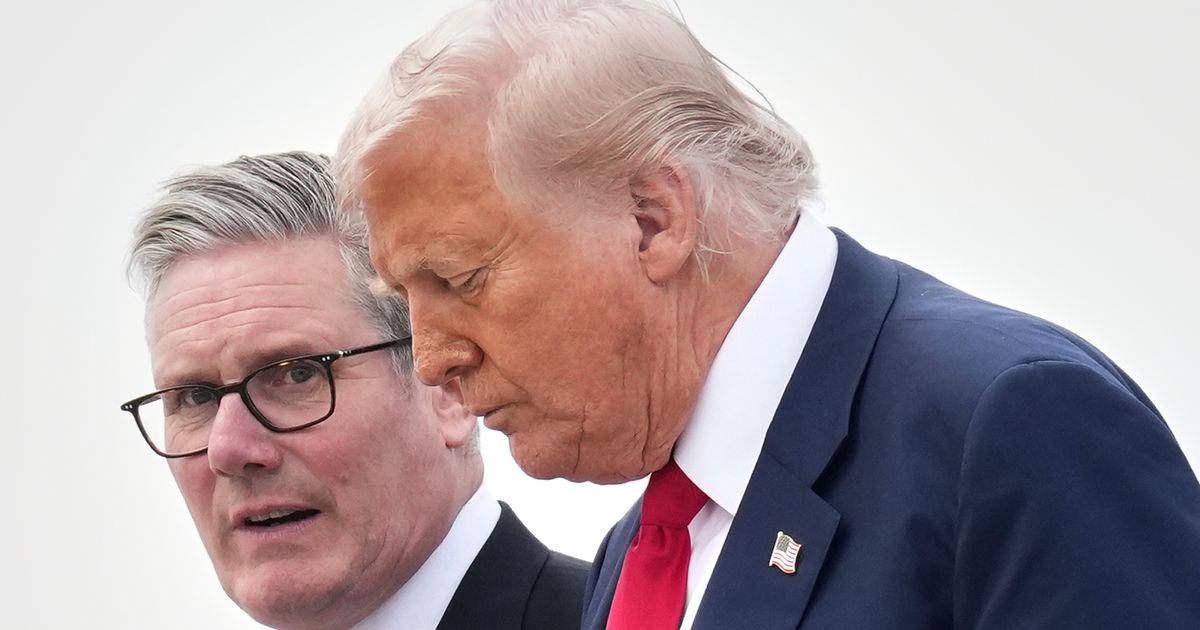
Britain Denies US Request to Use RAF Bases for Potential Attack on Iran pro-government Pro-government coverage portrays Britain’s denial of US access to RAF bases as a firm exercise of sovereign decision-making that proves London will not be dragged into a potentially destabilizing conflict on American terms. These outlets emphasize that the move asserts national independence while preserving a fundamentally strong UK–US relationship and maintaining a tough, non-military posture toward Iran. @Telegraf @Alo! Britain has refused a United States request to use Royal Air Force bases and other UK territories for any potential military strikes on Iran, with coverage from both opposition and pro-government outlets agreeing on the basic outline of events. They concur that the US approached London to secure access to bases under British control, that the UK declined, and that this has caused anger and frustration in Washington, including from President Donald Trump personally. Reports also align that this decision affects US military planning in the wider region, especially any air operations that might pass through or launch from British overseas territories, and that British officials have framed their response as a clear policy position rather than a technical or logistical delay.
Across both media camps, coverage highlights that the British government justified its refusal by citing international law and the legal implications of facilitating an offensive strike on Iran. Outlets agree that the issue is tied to broader diplomatic disputes, including tensions over the Chagos Islands and Mauritius, and that it reflects the complex legal and political framework governing the use of foreign bases in military operations. Both sides acknowledge that the UK–US “special relationship” is being tested by diverging approaches to Iran and regional security, and that domestic legal constraints, alliance obligations, and United Nations norms all form part of the backdrop to London’s decision.
Points of Contention
Motives and legal framing. Opposition-aligned sources tend to emphasize that the UK is acting out of legal necessity and a commitment to international norms, casting the refusal as a principled safeguard against complicity in a potentially unlawful strike on Iran. Pro-government outlets, by contrast, acknowledge the legal rationale but give more prominence to the UK’s sovereign right to decide how its bases are used, often framing the move as a firm assertion of national independence rather than primarily a legal obligation. While opposition coverage usually foregrounds lawyers, UN frameworks, and the legality of pre-emptive action, pro-government stories spotlight the political decision-making of British leaders and their willingness to push back on Washington.
Relationship with the United States. Opposition media generally present the episode as a worrying sign of deeper strain in the UK–US partnership, warning that rejecting a key American request could erode trust, intelligence sharing, or future defense cooperation. Pro-government outlets instead frame the tension as a tactical disagreement within a still-robust alliance, sometimes suggesting that the US anger is transient and that Britain is simply drawing red lines that a mature partner should respect. Where opposition pieces stress the risks of alienating an important ally and highlight President Trump’s displeasure, pro-government coverage tends to argue that a more balanced, less deferential relationship actually strengthens Britain’s long-term standing.
Domestic political implications. Opposition-aligned coverage often connects the decision to internal debates over foreign policy, arguing that the refusal reflects pressure from lawmakers, public wariness after past Middle East interventions, and scrutiny over executive war powers. Pro-government outlets more commonly portray the move as a demonstration of strong leadership by the sitting government, crediting it with protecting British interests and avoiding entanglement in another major conflict without clear parliamentary backing. While opposition narratives may question whether the government is consistent in its approach to international law and conflict, pro-government sources tend to highlight unity within the ruling camp and minimize internal dissent.
Broader Iran strategy. Opposition sources usually situate the base denial within a larger critique of Western policy toward Iran, suggesting that rejecting base access is only a partial step and calling attention to the need for diplomatic engagement, regional de-escalation, and support for multilateral agreements. Pro-government outlets focus more narrowly on the discrete decision about bases, framing it as sufficient proof that Britain is not seeking military confrontation even while remaining critical of Iran’s behavior and supportive of sanctions or pressure. Thus, opposition coverage uses the incident as a springboard to debate the entire strategy toward Iran, whereas pro-government reporting stresses that Britain can oppose a US strike while still maintaining a tough stance on Tehran.
In summary, opposition coverage tends to frame the UK’s refusal as a legally driven, potentially alliance-straining move that should prompt a broader rethink of British and Western strategy toward Iran, while pro-government coverage tends to present it as a confident, sovereign decision that asserts British independence without fundamentally jeopardizing the US partnership or the government’s firm posture on Iran. Story coverage nevent1qqs8mtjctfws9zj6jrj9uy0utuxcj0zfp7m0f7s5r6en8029pq0qcxs5j39gt nevent1qqspn5m0ejcc6l08c97rhl5fln5vvpegyxumddkgtpsgtylmy96vr8cwm8qxh