Former Prince Andrew Released After 12 Hours in Custody
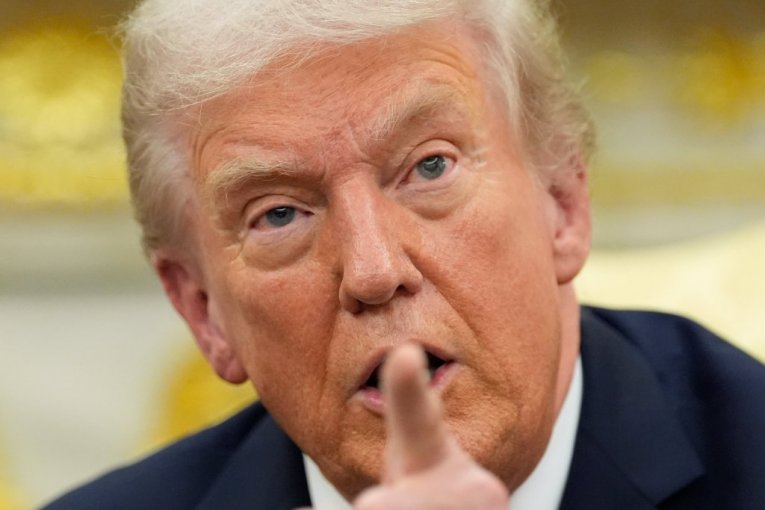
Former Prince Andrew Released After 12 Hours in Custody pro-government Pro-government coverage stresses that Andrew’s nearly 12-hour questioning by Norfolk police was part of a normal legal process, after which he was lawfully released while the investigation continues. These outlets highlight the royal family’s public commitment to cooperate, quote Trump’s description of the situation as sad for the monarchy, and urge respect for due process and the presumption of innocence. @Republika Former Prince Andrew was detained and questioned by Norfolk police for nearly 12 hours before being released from custody without formal charges, according to both opposition and pro-government coverage. Reports agree that the questioning focused on suspicions of abuse of public office, with particular attention to allegations that he may have shared sensitive official information with Jeffrey Epstein and may be implicated in related sexual abuse claims. Police sources in all coverage confirm that he was released after questioning, that the investigation remains open and active, and that searches were carried out at properties linked to him in Berkshire and Norfolk. Both sides also note that his current status is one of a high-profile figure under investigation rather than a convicted offender, and that law enforcement authorities have not yet disclosed detailed evidence or a timeline for next steps.
Across the spectrum, media accounts highlight the institutional weight of the case, stressing the involvement of Norfolk police, the broader UK justice system, and the constitutional sensitivities around scrutinizing a senior royal figure. Outlets on both sides reference the public and political pressure for accountability in cases tied to Jeffrey Epstein, treating this as part of a longer-running scandal involving global elites and alleged abuses of power. They also concur that the monarchy’s response is central: King Charles III is presented as publicly affirming that the law must run its course and that the royal family is committed to cooperating with investigators. Coverage further agrees that international reactions, including comments by US President Donald Trump calling the situation a disgrace and sad for the royal family, underscore the global visibility and potential diplomatic repercussions of the investigation.
Points of Contention
Framing of the investigation. Opposition-aligned outlets tend to cast the 12-hour custody and ongoing probe as evidence that serious, long-standing allegations against Andrew are finally being confronted, implying that previous inquiries were too timid. Pro-government outlets, by contrast, emphasize procedural normality and stress that this was routine questioning in a complex case, warning against treating his detention as proof of guilt. Opposition coverage often underscores the scale and gravity of the claims, whereas pro-government sources highlight the presumption of innocence and the lack of formal charges.
Role of the monarchy and accountability. Opposition sources typically portray the case as a test of whether the royal family is genuinely subject to the same laws as ordinary citizens, questioning past instances of perceived leniency and institutional protection. Pro-government coverage foregrounds King Charles III’s statements that the law must take its course as proof that the palace is not interfering and is committed to transparency. Where opposition outlets see an entrenched culture of impunity around the royals, pro-government outlets frame the current cooperation as evidence that the institution is evolving and respecting judicial independence.
Political and international reactions. Opposition media often interpret Trump’s comments and other foreign reactions as highlighting a reputational crisis for the UK establishment, arguing that the scandal tarnishes Britain’s image and exposes elite networks surrounding Epstein. Pro-government outlets tend to quote Trump and other figures more narrowly, treating such remarks as expressions of sympathy for the royal family and concern about media sensationalism rather than indictments of the system. Opposition coverage uses international scrutiny to argue for deeper structural reforms, while pro-government coverage treats it as a reason to carefully manage communications and avoid prejudging the case.
Treatment by law enforcement and media. Opposition coverage frequently suggests that, despite the custody and property searches, Andrew still benefits from a degree of deference from police and press that ordinary suspects would not enjoy, pointing to controlled optics around his release and limited detail from investigators. Pro-government outlets, however, highlight the length of questioning, the searches in Berkshire and Norfolk, and continued investigations as proof that he is being handled firmly and professionally. For opposition sources, the media’s focus on personal details like his appearance upon release distracts from systemic issues, while pro-government outlets may use such imagery to humanize him and frame the episode as personally tragic rather than primarily institutional.
In summary, opposition coverage tends to present Andrew’s detention as overdue accountability for a protected elite figure and a symptom of broader systemic failings, while pro-government coverage tends to stress legal due process, royal cooperation, and the need to avoid turning an ongoing investigation into a rush to judgment. Story coverage nevent1qqstz2untte6wn86y67wz4egnvp9wwt6txs55n9g5mxs2p5jchyy8rc6v6le4 nevent1qqsrvjk2vdd7ujvh3rzj0rhp3yug9g3at8wv38j9klekft04lt9lwks7c9ern