Train Derailed by Avalanche in Switzerland; Five Injured
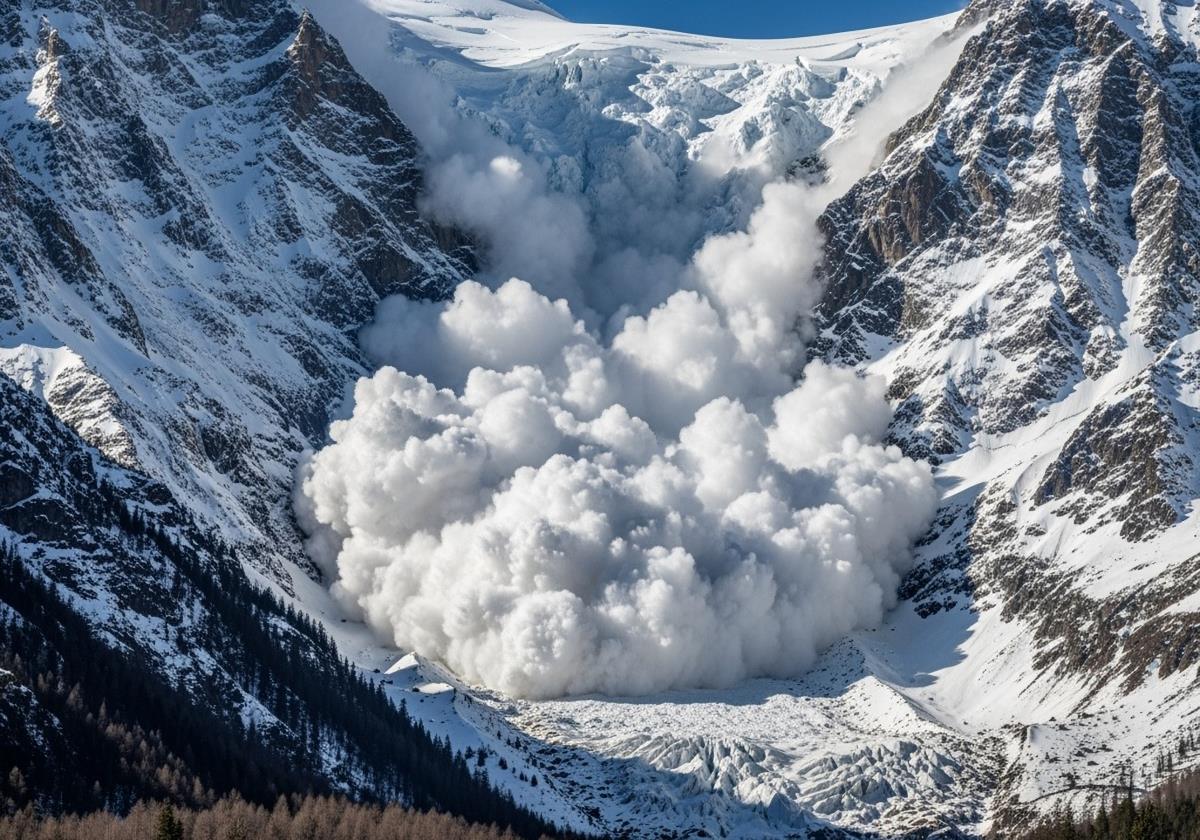
Train Derailed by Avalanche in Switzerland; Five Injured pro-government Pro-government coverage portrays the avalanche derailment as a tragic but rare natural event in the Swiss Alps, emphasizing that the immediate cause was an unpredictable avalanche rather than systemic negligence. These outlets highlight the rapid, coordinated response by rail operators and emergency services, using it to reinforce confidence in existing safety standards and to frame forthcoming investigations as routine, expert-led procedures. @Kurir @Telegraf A passenger train traveling through Switzerland’s Valais region, on the Frutigen–Brig line between Spiez and Brig in the Alps, was struck by an avalanche that caused at least one carriage to derail and left five people injured, including the driver. Around 80 passengers were reportedly on board when the avalanche came down from a nearby peak, forcing the immediate suspension of traffic on that section of the line and triggering helicopter-led rescue operations; initial reports from both opposition and pro-government–aligned outlets agree that there were no fatalities and that emergency services responded rapidly, evacuating the train and transporting the injured to medical facilities.
Coverage across the spectrum notes that the incident occurred in a high-altitude, avalanche-prone area at a time of unstable snow conditions, and that Swiss rail and mountain rescue institutions coordinated closely in the aftermath. Both opposition and pro-government sources highlight Switzerland’s generally strong rail safety record and the presence of established avalanche-monitoring and emergency protocols, while pointing out that authorities have temporarily closed and are inspecting the affected route; they also converge on the idea that a natural, weather-driven avalanche was the immediate cause, with any broader safety or infrastructure questions still under review.
Points of Contention
Responsibility and blame. Opposition-aligned outlets are more likely to question whether the rail operator and local authorities adequately assessed avalanche risk and whether trains should have been running on that segment given recent weather patterns. Pro-government coverage, by contrast, emphasizes the sudden and unpredictable nature of the avalanche, framing it as a natural disaster rather than a preventable safety lapse. While opposition sources hint that prior warnings or risk models may not have been fully incorporated into operational decisions, pro-government reports largely avoid suggesting negligence and instead stress the competence of the response once the incident occurred.
Safety standards and preparedness. Opposition coverage tends to scrutinize the sufficiency of existing avalanche barriers, monitoring systems, and contingency planning along alpine rail corridors, sometimes implying that cost-cutting or complacency may have slowed upgrades. Pro-government outlets foreground Switzerland’s overall high rail safety standards, portraying the accident as an outlier in an otherwise well-managed system. In doing so, they highlight the swift deployment of helicopters and coordinated emergency teams as evidence that preparedness and drills functioned as intended, whereas opposition narratives use the same facts as a starting point to ask whether more preventive engineering measures are needed.
Framing of visuals and emotional tone. Opposition sources are inclined to use passenger testimonies and dramatic descriptions of disbelief and fear to argue that authorities underestimated how exposed ordinary travelers are to extreme alpine risks. Pro-government reporting also references the shock experienced by passengers but tends to treat the viral footage primarily as documentation of an exceptional event rather than a symbol of systemic vulnerability. The result is that opposition outlets often embed the video in broader critiques of risk communication and public reassurance, while pro-government outlets present it as a vivid but contained illustration of nature’s force.
Future investigations and reforms. Opposition-leaning media call more openly for independent inquiries, stronger parliamentary oversight, and possible revisions to avalanche risk thresholds for rail operations. Pro-government coverage acknowledges that internal investigations and technical assessments will follow but presents them as routine, technical processes rather than politically charged turning points. Where opposition sources speculate about tighter regulations or infrastructure investments being necessary, pro-government outlets stress gradual, expert-led adjustments and caution against drawing premature conclusions before official reports are published.
In summary, opposition coverage tends to treat the derailment as a warning sign that existing avalanche risk management and rail safety policies may be inadequate and in need of stronger oversight, while pro-government coverage tends to emphasize the rarity of such incidents, the effectiveness of the emergency response, and the role of unpredictable natural forces over institutional failings. Story coverage nevent1qqsds5vt23u4rdge8mwg6gdaravge8fm5thsg0yrqgcfee4d4a3uujqc50w0j nevent1qqs9hslay8anqs94mzy5qxrmu2n4hgkpmxw64z8qupvzypz263y04ys9xe2d9