Ljiljana Zelen Karadžić, Wife of Radovan Karadžić, Dies at 81
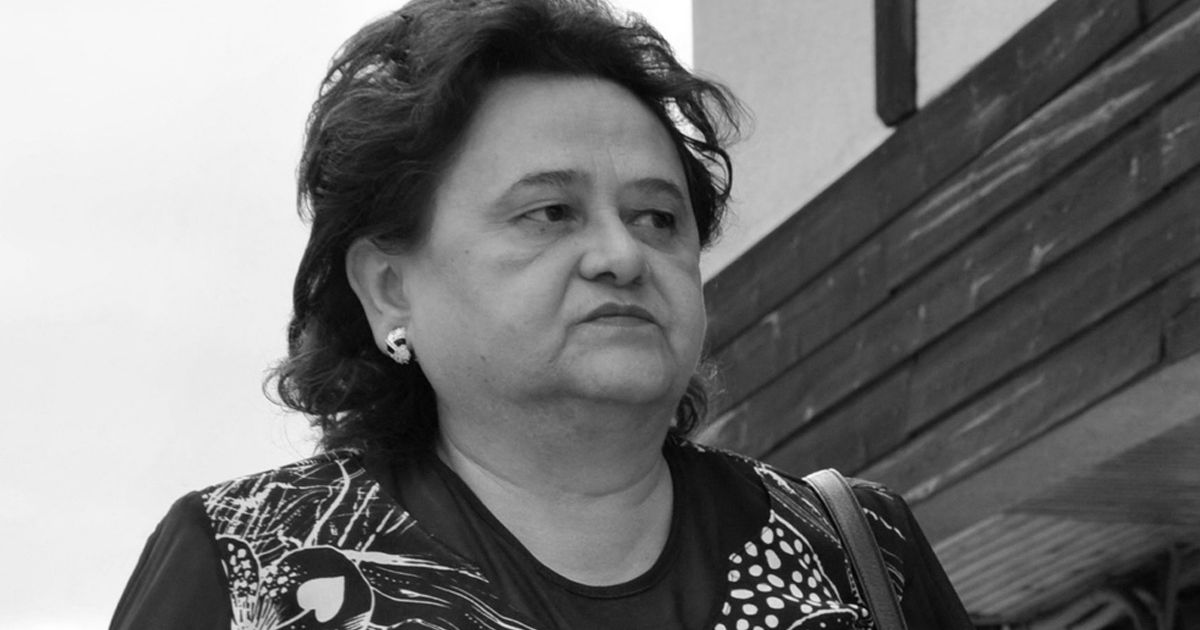
Ljiljana Zelen Karadžić, Wife of Radovan Karadžić, Dies at 81 pro-government Pro-government coverage presents Ljiljana Zelen Karadžić as a modest, professionally accomplished neuropsychiatrist and long-serving president of the Red Cross of Republika Srpska, whose life was marked by loyalty and humanitarian service rather than politics. Her death is framed as the passing of a dignified figure closely linked to the formative years of Republika Srpska and to its first president, with minimal emphasis on international war-crimes judgments. @Republika @Telegraf Ljiljana Zelen Karadžić, wife of former Republika Srpska president Radovan Karadžić, has died at the age of 81 in Istočno Sarajevo, according to both opposition and pro-government outlets. Coverage across the spectrum agrees on her basic biographical details: she was a neuropsychiatrist by profession, long-time spouse and supporter of Radovan Karadžić from their student days, and a public figure who led the Red Cross of Republika Srpska from 1993 to 2002. Reports also concur that formal arrangements regarding her funeral have not been fully disclosed at the time of reporting, and that the news is being treated as a noteworthy event due to her connection to a central wartime political leader.
Both sides also acknowledge the institutional and historical context surrounding her life, particularly her role in the Red Cross of Republika Srpska during and after the Bosnian war, and her proximity to the political structures of the entity in the 1990s. They agree that she remained largely in the background compared with her husband, yet maintained a discreet but enduring influence within his political and personal circle, including during his years in hiding and subsequent trial. There is shared recognition that her life story is intertwined with the broader post-Yugoslav conflict narrative and the legacy of Republika Srpska’s wartime leadership, even when outlets differ on how heavily they emphasize those aspects.
Points of Contention
Framing of her legacy. Opposition-aligned outlets tend to frame Ljiljana Zelen Karadžić primarily through the prism of her husband’s conviction for war crimes, stressing that her public roles cannot be separated from the political and military project he led. Pro-government outlets instead highlight her medical training, humanitarian work, and organizational leadership in the Red Cross of Republika Srpska, presenting her as a dignified, low-profile figure who served her people in difficult times. While opposition sources are more likely to question or downplay the humanitarian narrative as part of a wider wartime power structure, pro-government coverage generally treats these roles as evidence of personal merit and public service.
Association with wartime leadership. Opposition coverage emphasizes that as the spouse of the first president of Republika Srpska, she belonged to the wartime elite and benefited from, or at least stood by, policies later condemned by international courts. Pro-government media, by contrast, underline her distance from formal political decision-making and portray her as a loyal wife rather than a political actor, minimizing any suggestion of responsibility for state actions. Where opposition outlets stress the symbolic weight of her death as another closing chapter of a contentious wartime leadership circle, pro-government reports stress personal loss and continuity of historical memory without dwelling on legal judgments.
Tone toward Radovan Karadžić. Opposition-aligned reporting tends to foreground Radovan Karadžić’s status as a convicted war criminal, using that legal framing to color how readers view his wife’s life and death, and sometimes referencing victims and atrocities in the same breath. Pro-government outlets generally refer to him as the first president of Republika Srpska, invoking his institutional role and often omitting or softening reference to his convictions, thereby casting Ljiljana’s support for him as loyalty to a national leader rather than complicity. This tonal split leads opposition pieces to read more as historical and moral reckoning, while pro-government pieces read more as respectful obituary and commemoration.
Public versus private role. Opposition sources are more inclined to question the idea that she was merely a private figure, arguing that someone who headed a major wartime humanitarian institution and stood by a fugitive husband necessarily occupied a public, politicized role. Pro-government coverage insists on drawing a line between her personal, family-centered loyalty and the formal structures of power, framing her Red Cross tenure as apolitical humanitarian service under extraordinary circumstances. Thus, where opposition media probe her visibility during her husband’s time in hiding and trial as evidence of active backing, pro-government outlets cast the same period as a test of family endurance in which she stayed dignified and largely out of public view.
In summary, opposition coverage tends to situate Ljiljana Zelen Karadžić’s death within a broader narrative of wartime accountability and contested historical memory, while pro-government coverage tends to stress her humanitarian credentials, personal loyalty, and symbolic place in the founding story of Republika Srpska. Story coverage nevent1qqs0upzeks9swxqnazp2c2hfg72rcachvtpezx6w9kyl4m3964y66cgr43mtv nevent1qqswrn8dvmz07van48y0msk68up9cwt79xrnhccffg834qwy6j74whc4zqn8n