Charges Dismissed in Fatal Parasailing Accident of Tijana R. in Budva
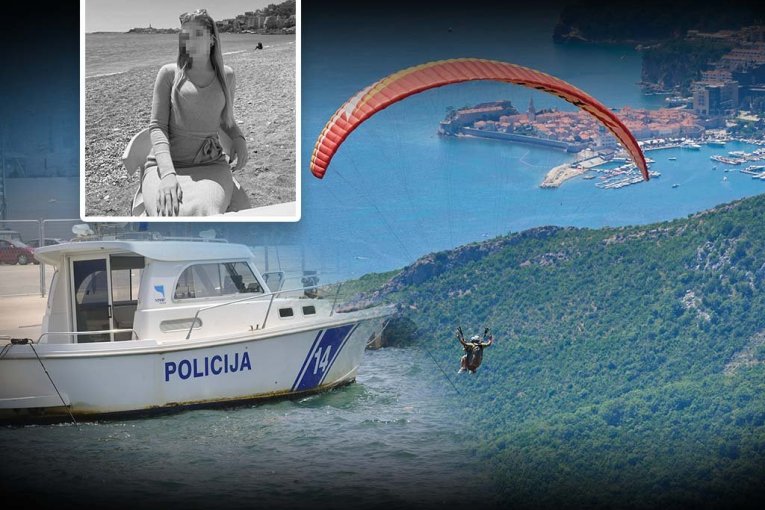
Charges Dismissed in Fatal Parasailing Accident of Tijana R. in Budva pro-government Pro-government coverage underscores the prosecutors’ finding that Tijana’s unfastened vest, not faulty equipment or proven crew misconduct, directly caused the fall, justifying the dismissal of charges. These outlets present the family lawyer’s appeal as a normal procedural step within a functioning legal system rather than as evidence of structural bias or a need for sweeping reforms. @Republika @Telegraf @Alo! The available coverage agrees that the Basic State Prosecutor’s Office in Kotor has dismissed the criminal complaint against the owner of the Budva water-sports company and the ski/boat operators involved in the fatal parasailing accident in which 19‑year‑old Tijana R. from Novi Sad fell from approximately 50 meters and died. Reports concur that prosecutors concluded the immediate cause of the fall was Tijana’s unfastening of her safety vest during the flight rather than equipment failure, that no one is currently deemed criminally liable, and that the victim’s family—through their lawyer Mirko Bogićević from Budva—has lodged a complaint and appeal, asking the Higher State Prosecutor’s Office in Podgorica to review and overturn the decision.
Outlets also align on core procedural context: the case is being handled within Montenegro’s prosecutorial hierarchy, with the Basic State Prosecutor’s Office issuing the initial decision and the Higher State Prosecutor’s Office empowered to reassess it upon appeal. Both sides describe the applicable legal framing in terms of potential liability for failure to ensure safety and to render assistance under the criminal code, explain that the complaint’s dismissal effectively halts criminal proceedings unless reversed on appeal, and situate the tragedy within broader concerns about tourist safety, regulation of water sports in coastal resorts like Budva, and the role of state institutions in enforcing standards for private operators.
Points of Contention
Responsibility and blame. Opposition-aligned sources typically emphasize systemic negligence, arguing that even if Tijana unfastened her vest, operators and regulators bear ultimate responsibility for allowing a situation in which a novice tourist could endanger herself at 50 meters without proper supervision or backup safeguards. Pro-government outlets, by contrast, foreground the prosecutorial finding that the direct cause was Tijana’s own action of unbuckling the vest, framing this as a tragic personal mistake rather than proof of criminally relevant misconduct by the company or crew.
Conduct of prosecutors and institutions. Opposition media tend to portray the Basic State Prosecutor’s Office as part of a pattern of institutional impunity, suggesting that the swift dismissal of charges reflects a protective attitude toward business interests and a lack of will to test the evidence in court. Pro-government reporting largely presents the prosecution’s decision as a neutral, expert legal assessment grounded in forensic and testimonial evidence, stressing that the appeal to the Higher State Prosecutor’s Office shows the system has internal checks rather than demonstrating institutional bias.
Narrative around safety standards. Opposition outlets are likely to use the case to highlight broader failures in regulating coastal tourism, arguing that the accident exposes lax inspection regimes, poor training of skippers, and inadequate emergency procedures that endanger visitors every season. Pro-government media instead frame the incident as an exceptional and unforeseeable tragedy within an otherwise functional safety framework, noting that the equipment was found to be technically sound and implying that no regulatory overhaul is warranted solely on the basis of this event.
Future reforms and accountability. Opposition coverage tends to call for stricter laws, tougher enforcement, and potential political responsibility, depicting the appeal by the family’s lawyer as a last resort in a system reluctant to punish influential operators. Pro-government outlets, while reporting on the lawyer’s complaint, generally present it as a standard legal step rather than a catalyst for systemic change, suggesting that any further action will depend on higher prosecutors’ legal review rather than on public pressure for sweeping reforms.
In summary, opposition coverage tends to depict the dismissal of charges as another example of institutional failure and de facto impunity for business operators in a dangerous tourism sector, while pro-government coverage tends to stress the prosecution’s conclusion that the victim’s own action was decisive, portraying the appeal process as proof that the legal system is functioning and that broad accusations of state complicity are unwarranted. Story coverage nevent1qqsznv53flwq4rlevjy3kn78ap0rfgx89jzzkfgudxgvc884clehlks5kfeej nevent1qqsv2wmng4xxuce5sl6yt5juqvkzgl0ry5fgw7sucsmp52h309wqxfsfv33tj nevent1qqs9qls2shusj8wmnl2gc4z70ucp9dqrm7zd9awdhz8vpzcg5nvya8g253lfa nevent1qqsrqtq2jkvsd8207ugswdgjx6c3sukefcazgm88jehsr5anlplez4g8f455n