Panama’s Earthquakes Test the Line Between Reassurance and Reality
Panama’s Earthquakes Test the Line Between Reassurance and Reality
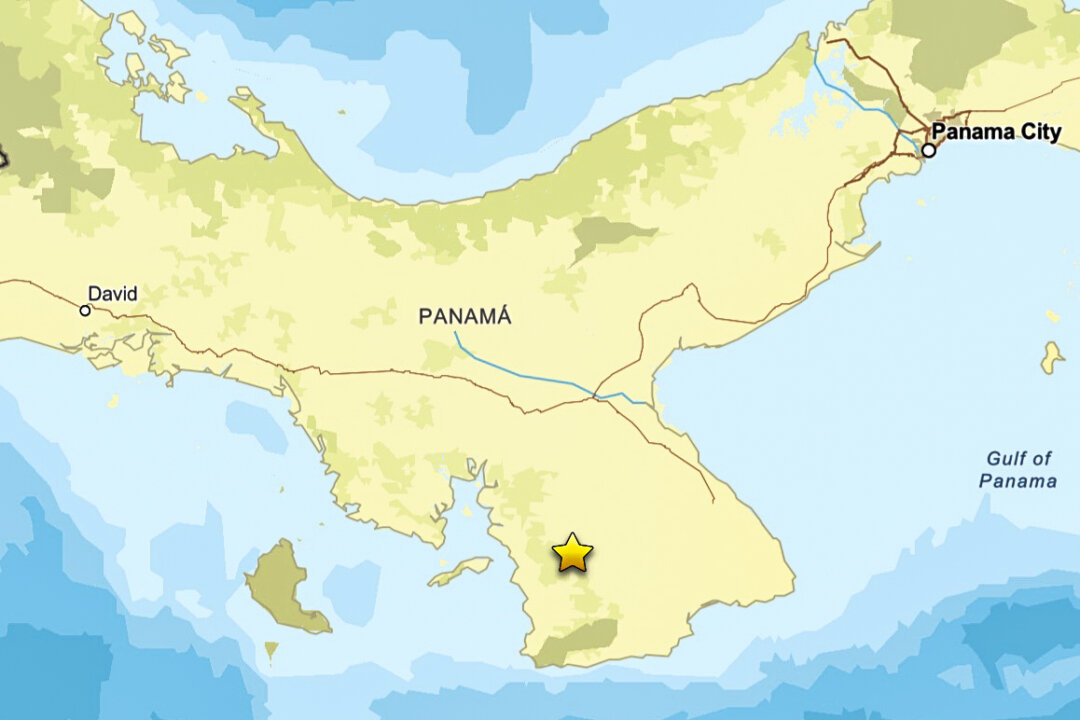
Panama was jolted by two major earthquakes on Friday, exposing the difficult gap between official reassurance and the uncertainty unfolding across damaged towns, roads and public buildings. The immediate crisis appeared contained, but repeated aftershocks and early tsunami warnings kept residents on edge.
The first quake, measured at roughly 7.6 to 7.7 magnitude, struck near the country’s southern coast, followed hours later by a second tremor of about 6.0 to 6.6 magnitude. Buildings shook in Panama City, residents evacuated into the streets, and authorities recorded more than a dozen aftershocks. A separate report emphasized that the tsunami warning initially extended across several Central and South American countries before being lifted.
President José Raúl Mulino urged the public not to turn the disaster into “alarm and disorder,” while officials said no deaths had been confirmed and that damage was concentrated in Veraguas, Herrera and Los Santos. That message contrasted with images and local accounts describing cracked roads, damaged buildings and a partially collapsed cathedral in Penonomé. The conservative account likewise highlighted unusual sea drawdowns and coastal wave variations, underscoring why official calm did not immediately translate into public confidence.
The sources agree that the tsunami threat passed and that the capital avoided major reported damage. They differ mainly in emphasis: the liberal reports stress the human anxiety, scattered structural damage and regional support, while the conservative coverage centers on the warning system and coastal monitoring. Even the spare description of the event as “two powerful earthquakes and multiple aftershocks” captures the broader concern: the danger was not limited to the initial shock.
Washington said it was mobilizing personnel at Panama’s request, signaling that the response was moving beyond reassurance toward practical assistance.
Write a comment