Pennsylvania’s Measles Crisis Is Growing Faster Than Officials Can Agree on Its Toll
Pennsylvania’s Measles Crisis Is Growing Faster Than Officials Can Agree on Its Toll
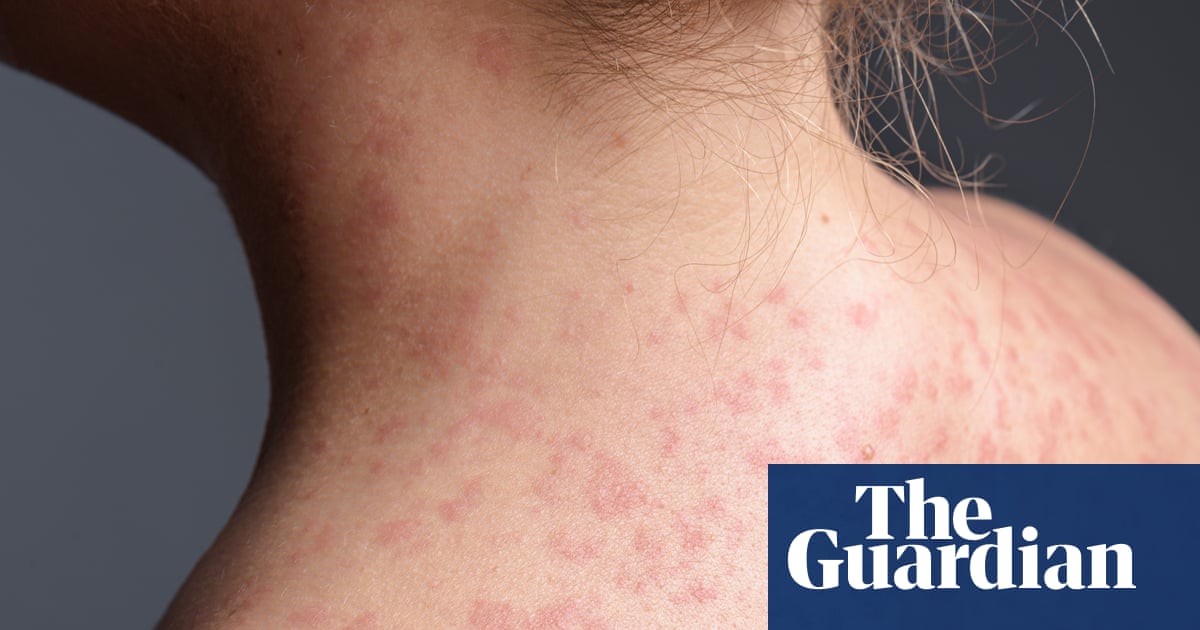
Pennsylvania’s measles outbreak has crossed a grim threshold: more than 1,000 cases in a state that had largely pushed the disease into the past. Yet the public-health emergency is being compounded by a political dispute over how many people the outbreak has killed.
State health officials reported 1,004 confirmed cases, five deaths and 198 hospitalizations, making this Pennsylvania’s largest outbreak in more than three decades. Lancaster County, home to sizeable Amish and Mennonite communities, has been the hardest-hit area, with 391 cases. The outbreak began in April and has been linked by health officials to low vaccination rates.
The figures put Pennsylvania at the center of a broader national resurgence. New York has declared a state of emergency after reporting 108 cases, while Ohio has recorded more than 200. Nationwide, the Centers for Disease Control and Prevention reported 3,887 cases by Oct. 1—the worst year for measles since 1991. Vaccination coverage has fallen below the roughly 95% level considered necessary to prevent sustained outbreaks.
The central disagreement is not over whether the outbreak is serious, but over how its consequences should be counted. Gov. Josh Shapiro has accused Health Secretary Robert F. Kennedy Jr. of incompetence, while Kennedy has questioned whether Pennsylvania’s reported deaths were directly caused by measles. The CDC, which Kennedy oversees, lists only two measles deaths nationally this year, excluding Pennsylvania’s figures from its count amid the dispute.
The liberal account emphasizes state data, falling immunization rates and expanded access to the measles, mumps and rubella vaccine. Shapiro has warned that “measles does not care about your county, your faith, or your social circle,” urging residents to consult health providers. The conservative source likewise presents the outbreak as the largest in decades, but supplies no competing figures or explanation for the mortality dispute.
That gap matters. Pennsylvania’s outbreak is measurable; the political argument over its toll is not merely semantic. It shapes the national record—and potentially how urgently officials respond.
Write a comment