Alleged Chinese Surveillance of Taiwan President’s Family Puts U.S. Counterintelligence Under Spotlight
Alleged Chinese Surveillance of Taiwan President’s Family Puts U.S. Counterintelligence Under Spotlight
The arrest of a California realtor accused of spying on the family of Taiwan’s president has become a test of how the United States confronts Beijing’s alleged reach on American soil. The case also exposes a divide in emphasis: one side stresses transnational repression and geopolitical risk, while the other frames it as evidence of a broader domestic security threat.
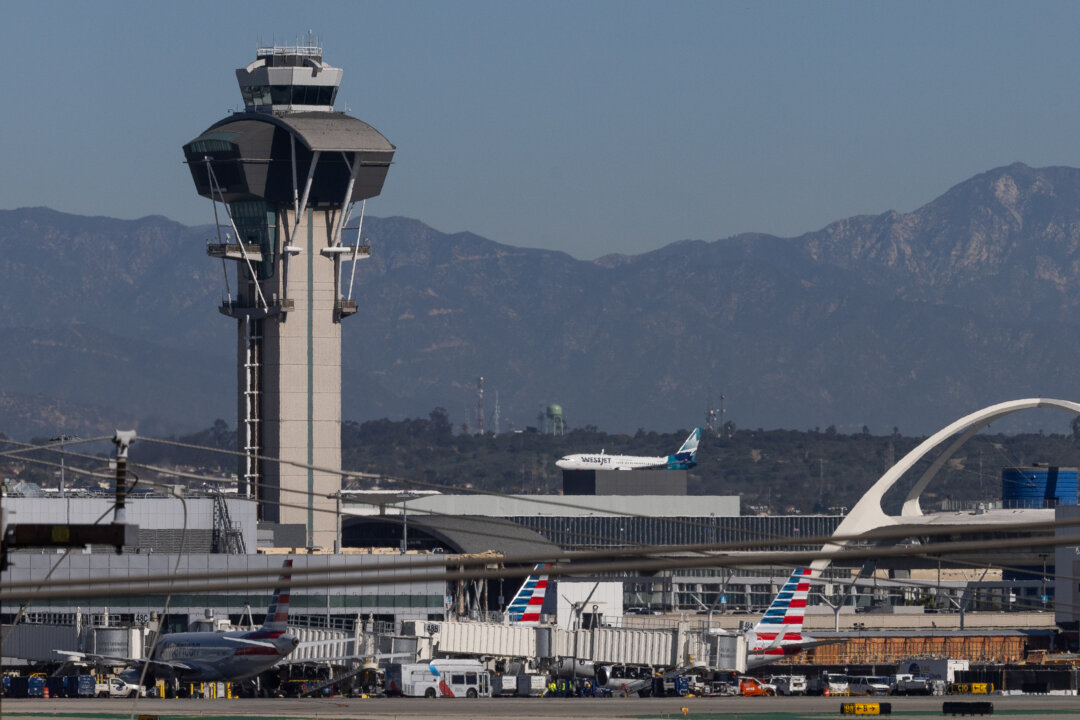
Federal authorities arrested Wanying “Heather” Zhang, 34, at Los Angeles International Airport as she allegedly prepared to fly to China. Prosecutors accuse her of acting as an unregistered foreign agent and surveilling Ting-Yu Lai, the U.S.-based son of Taiwanese President Lai Ching-te, along with his family. The allegations include photographing their Seattle-area home, vehicles and license plates for Chinese contacts.
Liberal-oriented coverage places the incident within the wider conflict over Taiwan’s sovereignty. Taiwan’s presidential office called the alleged operation a “typical case of transnational repression” and condemned conduct that disregards “human rights and the sovereignty of nations.” That framing emphasizes the vulnerability of Taiwanese citizens and the possibility that intimidation extends beyond Taiwan’s borders.
Conservative coverage gives greater weight to enforcement and deterrence. One report highlighted the FBI’s claim that Zhang “surveilled the Taiwanese President’s son and his family,” while another amplified FBI Director Kash Patel’s warning: “America is no longer a safe place to run your espionage operations.” It also presented the case as part of a nationwide Chinese influence campaign, rather than an isolated operation.
The perspectives converge on the alleged conduct’s seriousness but differ in political meaning. Authorities say Zhang used covert methods and communicated with PRC-linked handlers; the defense position remains unknown, and she is presumed innocent. If proven, the case would underscore both Taiwan’s exposure to pressure and Washington’s growing determination to treat foreign-directed surveillance as a national-security threat.
Write a comment