Clancy Defense Shifts Ground as Prosecutors Weigh a Second Trial
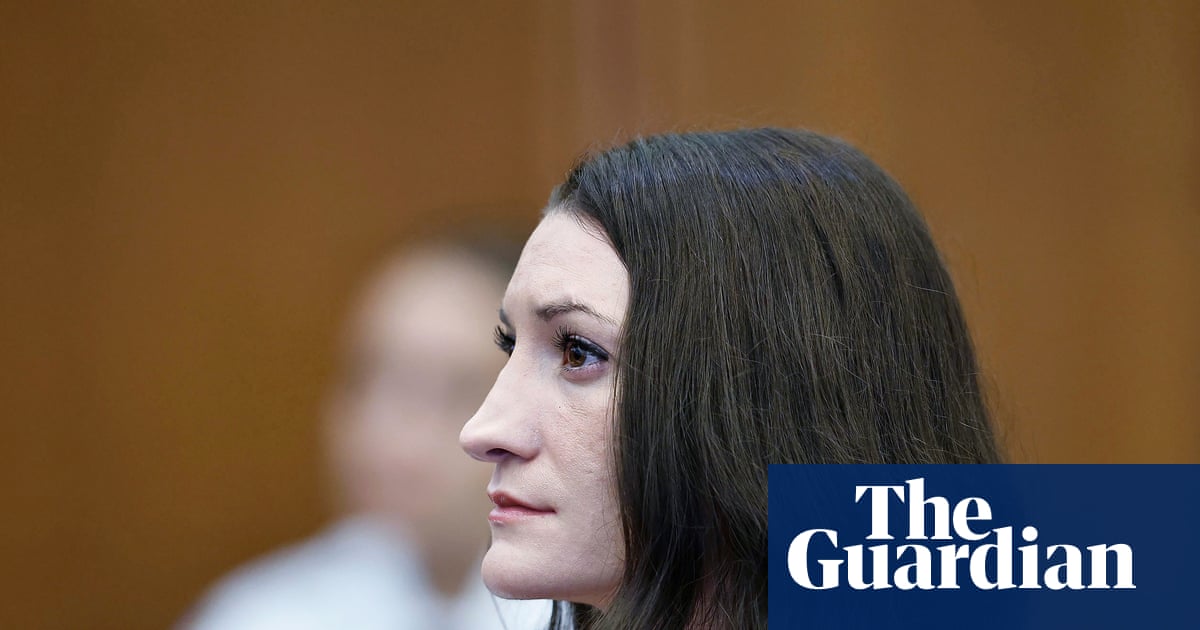
Clancy Defense Shifts Ground as Prosecutors Weigh a Second Trial
The courtroom fight over Lindsay Clancy’s fate has shifted from whether she was legally responsible for her children’s deaths to whether prosecutors proved she killed them at all—a move that could determine whether the case ever reaches a second trial.
At a hearing following the September mistrial, defense attorney Kevin Reddington asked the judge to find Clancy not guilty, arguing that the evidence was legally insufficient. “This entire case is based on speculation,” he said, repeatedly asking, “Where is the evidence that she did this?”
That argument marks a notable change from the defense’s earlier approach. Before and during trial, Reddington acknowledged Clancy’s role while maintaining that postpartum psychosis made her unable to understand that her conduct was wrong. He previously said she “takes responsibility” and had even offered to stipulate that she killed her children, while reserving the question of her mental state.
Prosecutors cast the new position as both unsupported and unexpected. Assistant District Attorney Shanan Buckingham said the record was “voluminous” in establishing that Clancy committed the killings. Plymouth District Attorney Timothy Cruz, meanwhile, has not committed publicly to a retrial, saying his office is reviewing the case and will act in “the interest of justice and the interest of the three children.”
The defense is also invoking double jeopardy, arguing that the mistrial was unnecessary because jurors’ notes indicated the holdout should have been dismissed for refusing to follow the court’s instructions. The holdout’s attorney disputes that premise, saying his client “had zero doubt” and applied the reasonable-doubt standard rigidly.
Legal analysts describe the defense’s shift as highly unusual and potentially tactical—an effort to pressure prosecutors against retrying the case. The judge is expected to address the remaining motions at a November 2 hearing, leaving both sides contesting not only Clancy’s mental state, but the basic meaning of the evidence itself.
Write a comment