Trump’s Rejection Turns Iran’s Hormuz Offer Into a High-Stakes Test of Escalation
Trump’s Rejection Turns Iran’s Hormuz Offer Into a High-Stakes Test of Escalation
The diplomatic opening over the Strait of Hormuz has exposed a fundamental dispute: Iran is offering a rapid, conditional path back to negotiations, while President Donald Trump appears to view the proposal as evidence that Tehran is under mounting pressure.
Iranian Foreign Minister Abbas Araghchi said the strait could reopen after seven days if Washington met conditions tied to the existing U.S.-Iran memorandum of understanding. “If certain conditions are met, the Strait of Hormuz will be open at the end of seven days, and talks will be restarted.” Tehran’s plan would also accelerate discussions over Iran’s nuclear program and permit international inspections of damaged sites and its enriched-uranium stockpile.
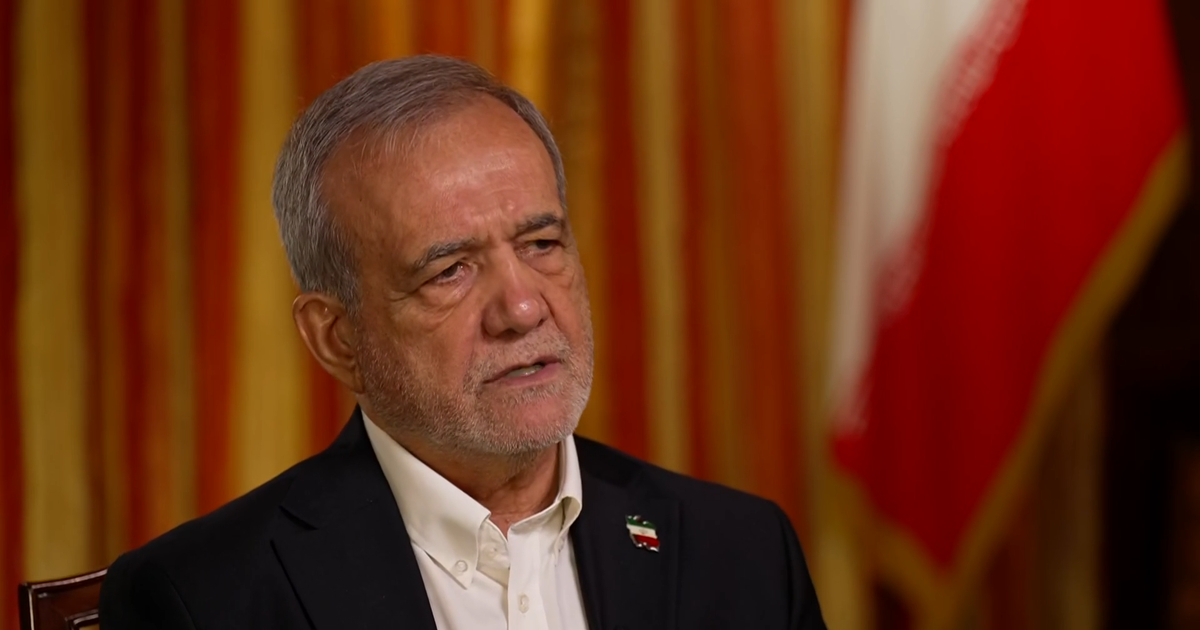
From the Iranian perspective, the offer is a structured bargain rather than a surrender. President Masoud Pezeshkian said Iran would “abide by whatever we commit to” if Washington accepted the proposal, while warning that years of sanctions, threats and military strikes had created an “atmosphere of distrust.” The proposed timetable would require the United States to lift parts of its economic and naval pressure before Iran reopened the waterway, with shipping routed largely through Iranian waters.
Washington’s interpretation is sharply different. Trump said, “I rejected their deal,” arguing that Tehran wanted to open the strait because it was “losing so badly.” The rejection reflects U.S. concerns over Iranian control of shipping routes, nuclear enrichment and the possibility that any agreement would merely postpone renewed confrontation. A separate report said Trump expects bombing to resume after the midterm elections, though the account relied on unnamed officials and was not independently confirmed.
The political stakes extend beyond the two capitals. Reopening Hormuz could ease pressure on global energy markets and offer Trump a diplomatic victory before the elections, but accepting Iran’s terms could look like a concession. European officials have likewise cautioned that sanctions should not be lifted prematurely. The result is a proposal both sides describe as a route to de-escalation—but neither appears willing to accept the other’s definition of the first step.
Write a comment