The U.S.-China AI Deal Builds a Safety Channel Without Slowing the Rivalry
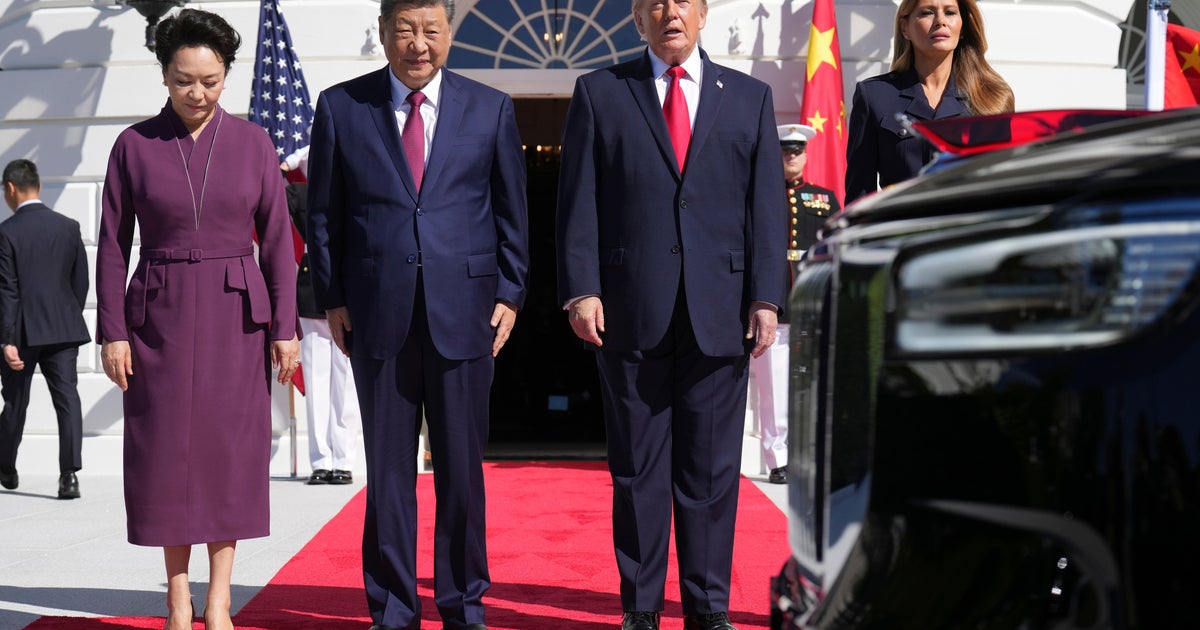
The U.S.-China AI Deal Builds a Safety Channel Without Slowing the Rivalry
The latest U.S.-China summit produced a narrow mechanism for managing dangerous technology and military encounters—but no evidence that either side is prepared to ease the broader rivalry.
Washington and Beijing agreed to establish a channel for handling AI-related incidents and to accelerate work on military crisis communications after three days of talks. The arrangement is modest, but its value lies in creating working-level contacts that could prevent disputes from spiraling. The liberal account emphasizes that institutional cooperation matters precisely because the summit delivered no major breakthrough.
The conservative framing, reflected in its description of the agreement as part of continuing “trade and military talks,” places the development within a broader contest rather than treating it as a diplomatic reset. That interpretation is consistent with the substance of the deal: both countries are building guardrails while preserving their freedom to compete.
President Donald Trump made that tension explicit. He said the United States would not put “brakes” on its AI efforts and argued that Washington was leading China by at least a year. He also rejected deeper integration, saying, “When you’re leading, you don’t open it up to each other.” The planned AI dialogue, therefore, is designed to discuss risks and incidents—not to create shared development rules.
The same pattern appears in military communications, trade and supply chains. The two governments agreed to strengthen crisis-management mechanisms, extend a trade truce and continue discussions over rare-earth shipments, while leaving fundamental disputes unresolved. Analyst Wang Zichen said the emphasis on “working-level engagement, military-to-military dialogue and crisis-management mechanisms” could make summit diplomacy more durable. The agreement is consequently best understood as a stabilizer: a channel for limiting escalation, not a settlement of the competition driving it.
Write a comment