A Nor’easter Is Exposing the East Coast to a Weekend of Dangerous Uncertainty
A Nor’easter Is Exposing the East Coast to a Weekend of Dangerous Uncertainty
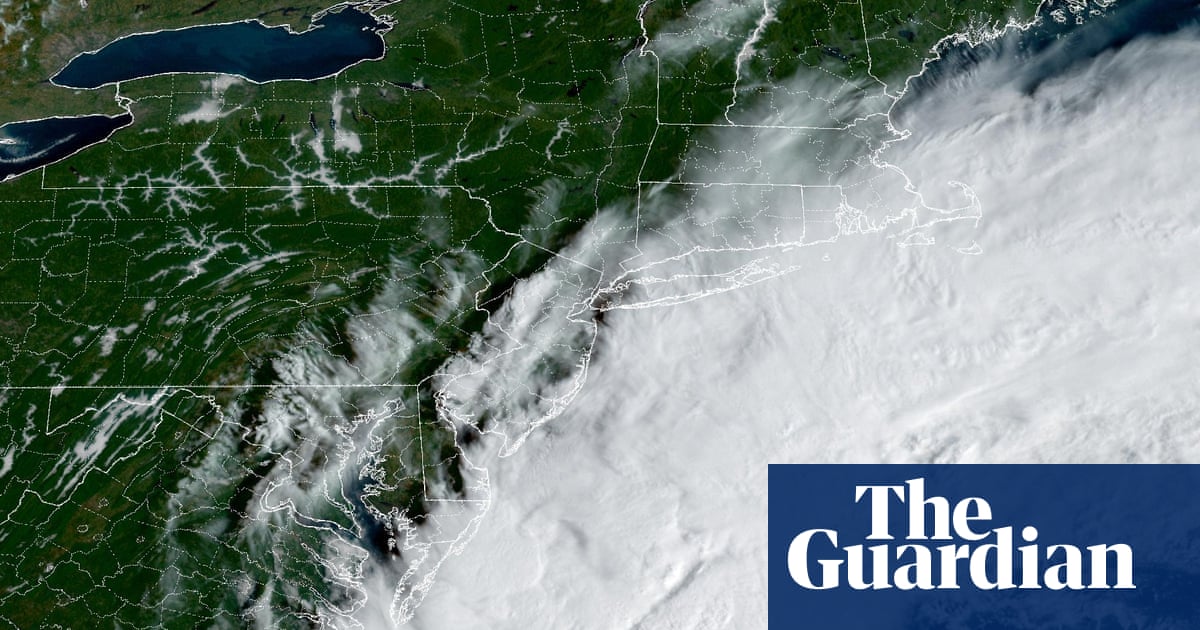
A strengthening nor’easter is turning the East Coast into a high-risk zone for the weekend, with flooding, destructive winds and major travel disruptions threatening millions. The central uncertainty is not whether the storm will hit, but how severely its effects will spread inland and along the coast.
The conservative account presents the storm in blunt, immediate terms: strong winds, heavy rain and flooding are expected to “lash the East Coast.” That framing closely matches the practical danger confronting coastal communities, but offers little detail beyond the threat itself.
The liberal report provides a broader and more consequential picture. It says as many as 40 million people could be affected, with coastal areas of Rhode Island, Massachusetts, Connecticut and Long Island already seeing impacts. The National Weather Service identified “beach erosion, coastal flooding, and wind damage including downed limbs and power outages” as the main concerns.
The storm’s projected intensity is also unsettled. Forecasters expected coastal winds of 40 to 60 mph, with gusts reaching 80 mph near Montauk, while some areas of southeastern Massachusetts could receive up to eight inches of rain. AccuWeather meteorologist Elizabeth Danco warned that the storm had strengthened and moved closer to shore, bringing “more rain inland, but more importantly stronger winds closer to shore.”
Both perspectives converge on the immediate hazards, but the longer report places the nor’easter within a larger pattern of extreme weather. It links the storm to a record-setting El Niño and notes simultaneous hurricanes in the Pacific, including warnings of catastrophic flooding in Hawaii. That context does not change the weekend forecast, but it underscores why officials are urging residents to prepare for the storm as they would for a tropical system.
Write a comment