Iran Offers Hormuz Reopening—but Washington Must Choose Between Concessions and Escalation
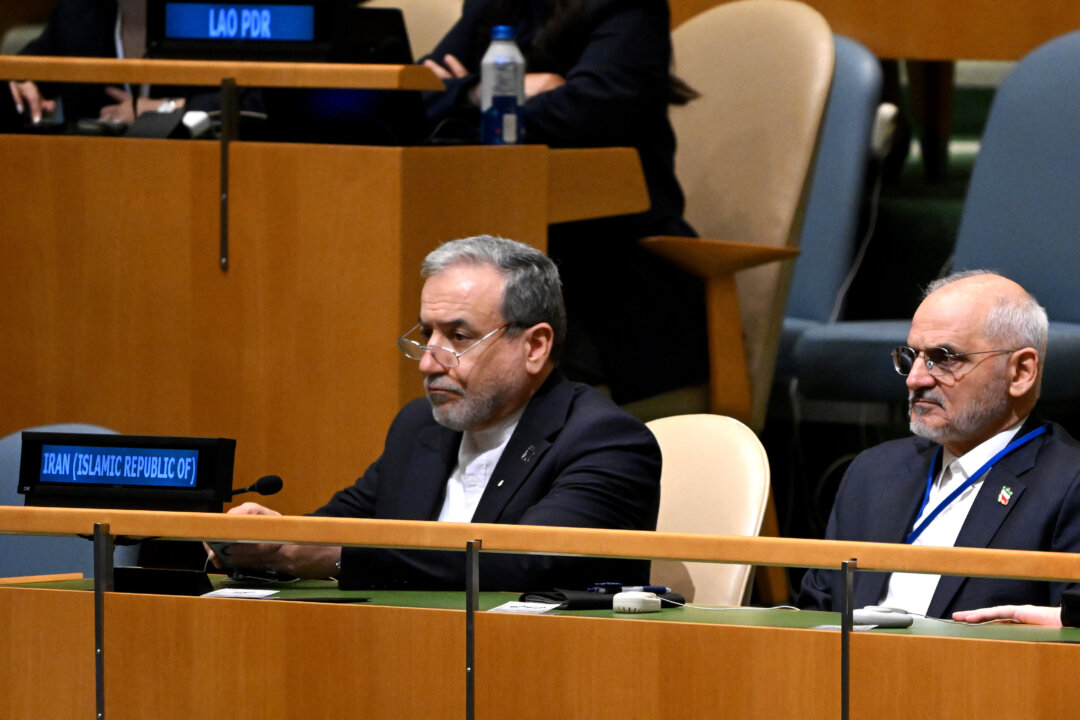
Iran Offers Hormuz Reopening—but Washington Must Choose Between Concessions and Escalation
Iran has put a rapid diplomatic escape hatch on the table: reopen the Strait of Hormuz within seven days in exchange for sanctions relief, an end to attacks and a return to nuclear negotiations. The proposal could ease pressure on global energy markets, but it also forces Washington to decide whether engagement would amount to compromise—or capitulation.
Iranian Foreign Minister Abbas Araghchi says the conditions are “nothing new,” arguing that they merely revive terms from an earlier U.S.-Iran memorandum. Under the plan described by Western reporting, Washington would lift restrictions on Iranian oil exports, release some frozen assets and help secure a broader ceasefire; Iran would then reopen the waterway along a route negotiated with Oman before nuclear talks resumed.
That sequencing is the central point of dispute. The proposal gives Tehran control over the timing and terms of reopening a passage vital to global trade, while Saudi Arabia reportedly worries that the route agreement excludes the Gulf states. European Commission President Ursula von der Leyen has separately warned that it is too soon to remove sanctions on Iran.
Iran, however, frames the offer as reciprocal diplomacy rather than coercion. President Masoud Pezeshkian said Tehran would “abide by whatever we commit to” if Washington accepts the proposal, and promised that U.N. nuclear inspectors could return under negotiated arrangements. He also denied that Iran seeks a nuclear weapon, saying enriched uranium could be diluted and verified.
The skepticism is not limited to Washington. Pezeshkian acknowledged an “atmosphere of distrust,” citing sanctions, threats and previous U.S. strikes during negotiations. A more critical account portrays President Donald Trump as facing an unattractive choice: accept a deal largely structured on Iran’s terms or continue economic and military pressure with uncertain results. The result is a proposal that offers immediate de-escalation while preserving the very leverage—and mistrust—that has repeatedly derailed diplomacy.
Write a comment