Supreme Court Leaves Surrogate and Intended Parents Locked in a Custody Fight Over a Critically Ill Baby
Supreme Court Leaves Surrogate and Intended Parents Locked in a Custody Fight Over a Critically Ill Baby
The Supreme Court has declined to intervene in a bitter custody dispute over a medically fragile baby, leaving in place a California court order recognizing the intended parents rather than the surrogate as the child’s legal guardians.
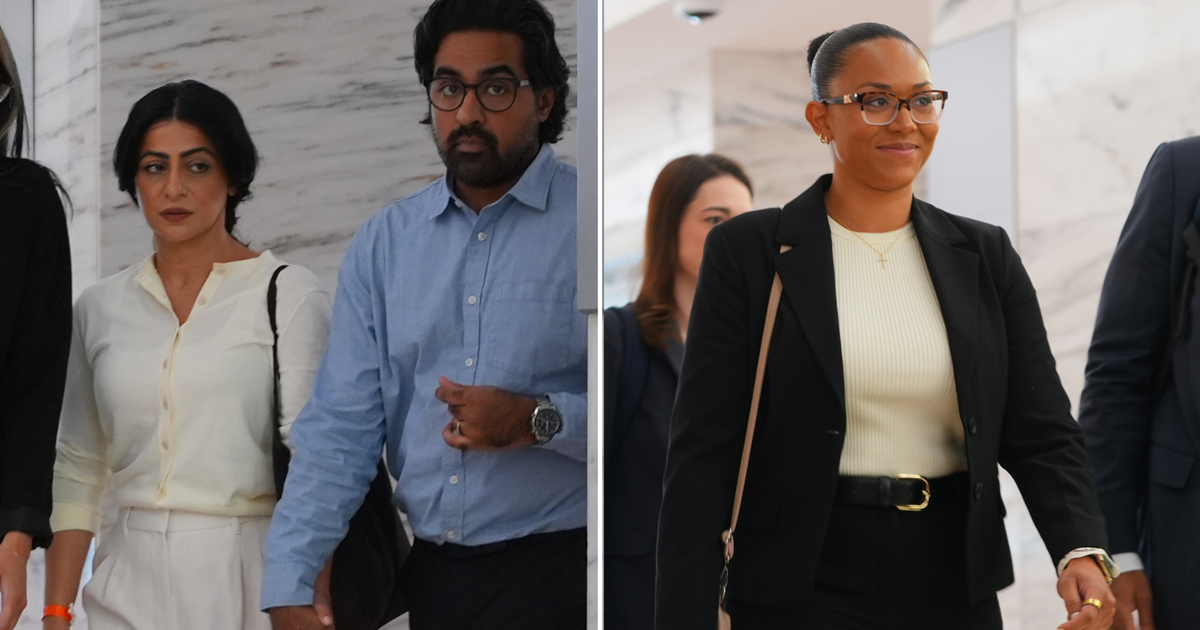
Justice Elena Kagan denied an emergency request from McKenna West, an Alaska nurse who carried the child for Omar Ahmed and Nausheen Gilkar. The couple sought an abortion after scans revealed hypoplastic left heart syndrome, a severe condition requiring extensive surgery; West refused and traveled to Texas to give birth, according to the liberal account of the case.
That framing presents the dispute as a collision between reproductive autonomy and the surrogate’s claim that she is protecting a child whose parents allegedly sought to end the pregnancy. West’s attorneys argued that “a life hangs in the balance” and said she was being denied information and a role in critical medical decisions. They now seek custody, asserting that Ahmed and Gilkar may not provide appropriate care because they previously requested an abortion.
The conservative account emphasizes a narrower legal question: whether the Supreme Court should disturb the lower-court order recognizing Ahmed and Gilkar as the child’s parents. It notes that Kagan, who handles emergency matters from California, gave no explanation—a customary feature of such rulings—and describes West’s request as an effort to block the existing custody arrangement.
Both perspectives agree that the baby’s condition has made the case urgent, but they assign responsibility differently. West’s lawyers say she “fought to save” the child, while the parents maintain that he is theirs and is suffering. A Texas court has ordered medical care, and the Texas Supreme Court recently allowed the baby to move to a Los Angeles hospital. The Supreme Court’s refusal leaves those lower-court decisions intact—and the central conflict unresolved.
Write a comment