A Utah Ballot Case Puts Election Security and Postal Accountability Under Scrutiny
A Utah Ballot Case Puts Election Security and Postal Accountability Under Scrutiny
The case of a Utah postal worker accused of discarding hundreds of mail-in ballots has become a test of how election failures are interpreted: as an individual act of negligence, or as part of a wider fight over ballot security.
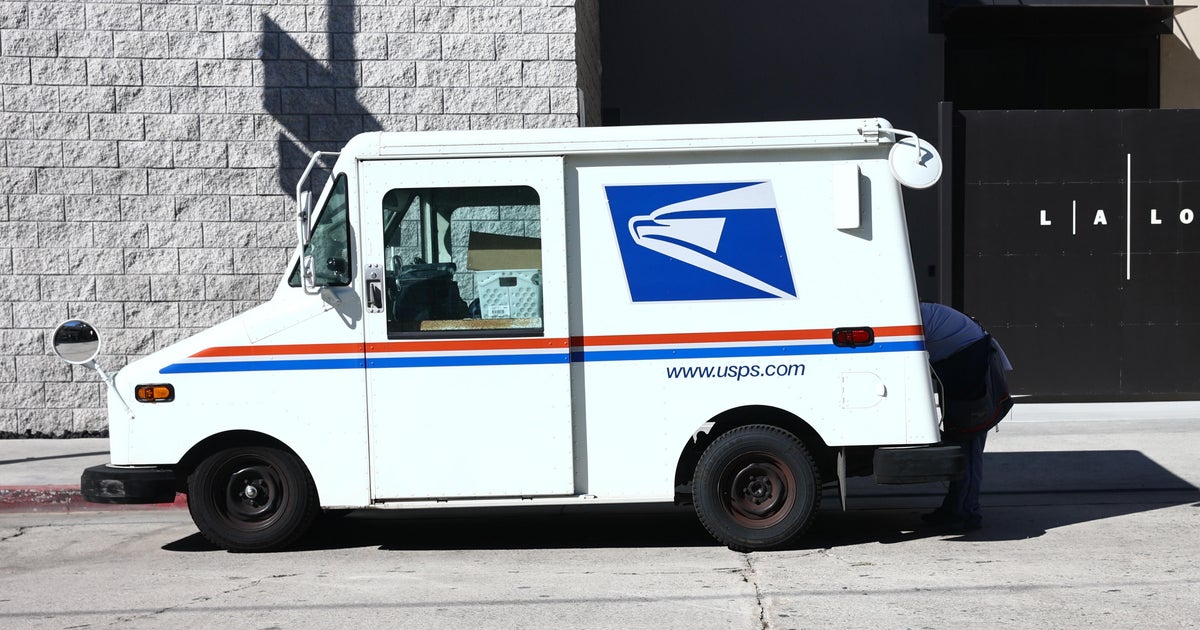
Federal prosecutors say Damon Matai Seei threw more than 300 ballots and other mail into a dumpster in Eagle Mountain during the June primary. Officials allege he acted shortly after beginning his shift and admitted he wanted to “lighten his workload” so he could leave earlier. Seei pleaded not guilty, and the allegations have not been proven in court.
The liberal account emphasizes the apparent absence of a political motive. Utah’s U.S. attorney said Seei indicated there was “no political agenda,” presenting the episode as a damaging but isolated breakdown rather than evidence of organized election interference. That framing also places the incident against President Trump’s broader campaign to restrict mail voting, despite the lack of evidence of widespread fraud.
The conservative account stresses the consequences for voters and situates the prosecution within an expanding federal enforcement effort. It notes that residents had already complained about missing ballots and quotes Acting Deputy Attorney General Trent McCotter calling the alleged conduct “a serious federal crime that undermines the integrity of our elections.” The Justice Department has also announced separate cases involving alleged illegal voting and voter-registration fraud, while preparing a historically large election-monitoring operation.
Both perspectives converge on the importance of ballot integrity but diverge over what the Utah case proves. The evidence described so far points to one carrier’s alleged misconduct, not systemic fraud. Yet the case gives election skeptics a vivid example of how a single failure can deprive voters of participation—and gives federal officials a platform to argue that election enforcement deserves expanded attention.
Write a comment