Defense Targets Holdout Juror as Clancy Case Turns on Mental Illness and Jury Independence
Defense Targets Holdout Juror as Clancy Case Turns on Mental Illness and Jury Independence
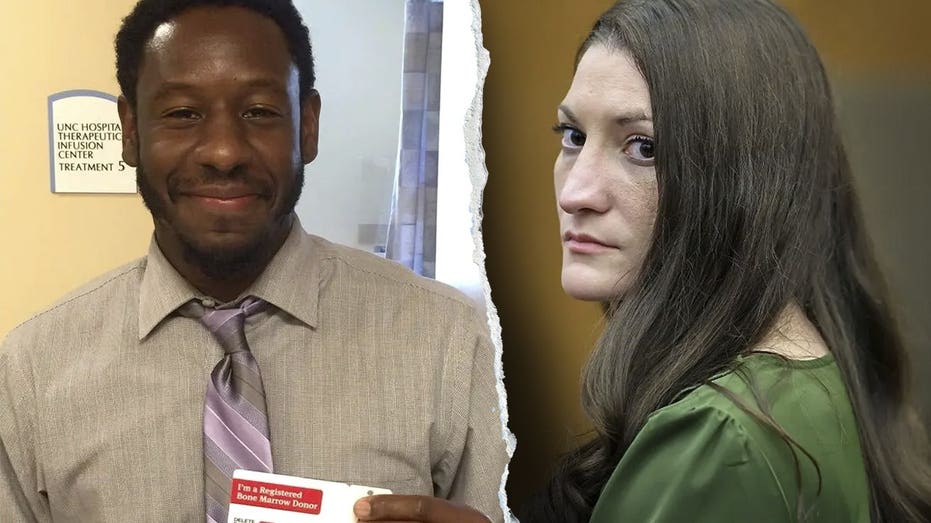
The mistrial in Lindsay Clancy’s triple-murder case has opened a new battle over the jury itself: her defense says the lone holdout may have violated courtroom rules, while his supporters say he is being punished for reaching an unpopular conclusion.
Clancy’s lawyers have asked the judge to investigate Michael Desronvil’s alleged cellphone use during deliberations, his answers on a juror questionnaire and statements made during questioning by the court. They are also seeking dismissal of the criminal case, arguing the judge should have replaced the holdout with an alternate juror rather than declare a mistrial. The defense says reports that Desronvil refused to apply the reasonable-doubt standard threatened Clancy’s constitutional right to an impartial jury.
The underlying split was stark. Eleven jurors were prepared to find Clancy not criminally responsible, accepting the defense argument that postpartum psychosis had overwhelmed her when she killed her three children. Desronvil alone sided with prosecutors, who argued that she understood and planned her actions. He has not been accused of wrongdoing, although fellow jurors reportedly viewed him as inflexible.
Desronvil’s lawyer, Edward Paltzik, has cast the dispute in sharply different terms. He said his client will soon issue a personal statement and defended his right to follow the evidence “free from fear of reprisal.” Desronvil previously said he “didn’t have any doubts” that Clancy knew what she was doing and that the physical evidence and testimony showed planning.
The competing claims expose the case’s central tension: whether the mistrial reflects a juror improperly resisting the law or a legitimate disagreement over criminal responsibility. Prosecutors have not said whether they will retry Clancy. Her former husband, Patrick Clancy, has urged a more compassionate approach to illness and accountability, saying compassion “doesn’t mean no accountability.” A judge’s ruling on the defense motions may now decide whether that debate continues in a second trial at all.
Write a comment