Austin Shooting Puts ICE’s Use of Force and Its Control of the Investigation Under Fire
Austin Shooting Puts ICE’s Use of Force and Its Control of the Investigation Under Fire
An ICE shooting in Austin has become a contest over two questions: whether federal agents used unjustified force against a Venezuelan delivery driver, and whether the agency accused of pulling the trigger can fairly investigate itself.
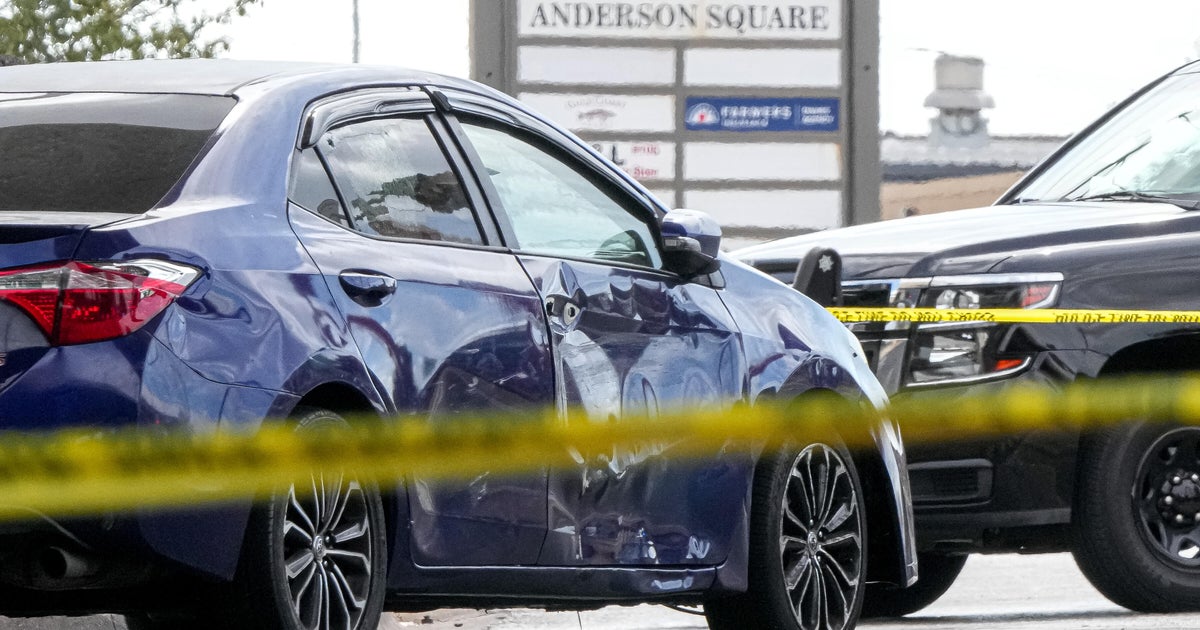
Wilber Rafael Garces Perez, 28, was shot after an encounter with ICE while making a DoorDash delivery. Accounts agree that he was wounded and taken into federal custody, but diverge sharply on the moments before the gunfire. His attorney says an unmarked ICE truck sideswiped his car twice before an agent shot him in the back of the neck; video described by liberal-leaning reporting appears to show an officer firing three times at a mostly stationary vehicle. The precise sequence remains unresolved.
The treatment of Garces Perez has intensified the dispute. His lawyer says the bullet remained lodged near his spine, that he received no pain medication and that he was transferred from a hospital to an ICE facility without adequate care. Conservative reporting repeats those allegations but places them alongside the government’s account: DHS says Garces Perez entered unlawfully, had a final removal order and was shot during a “law enforcement operation.”
The strongest common ground is the demand for facts. Austin Mayor Kirk Watson and Representative Greg Casar have called for an independent investigation and the release of body-camera footage, arguing that ICE lacks public credibility. DHS, however, says Homeland Security Investigations is leading the inquiry with FBI assistance—a structure critics view as inherently compromised because HSI is part of ICE.
The political framing is equally stark. Critics see the shooting as evidence of an increasingly aggressive immigration campaign and a failure of accountability. DHS and conservative outlets foreground immigration status and removal, while also highlighting protests, damaged police vehicles and arrests. Those facts do not settle the shooting itself—but they show how quickly a use-of-force investigation has become a referendum on deportation policy.
Write a comment