Coalition’s Fuel Shield Promises Relief, but Labor Says the Bill Does Not Add Up
Coalition’s Fuel Shield Promises Relief, but Labor Says the Bill Does Not Add Up
Australia’s opposition has offered motorists a simple promise—cheaper fuel when global oil prices surge—but the proposal’s political appeal rests on a funding plan Labor says is neither credible nor fully costed.
The Coalition’s “Fuel Price Shield” would halve the fuel excise, cutting petrol and diesel prices by about 27 cents a litre, when Brent crude averaged more than US$100 a barrel for two weeks. The measure could remain in place for up to three months, and the heavy road-user charge would also be suspended. Supporters frame it as temporary protection against international price shocks, rather than a permanent tax reduction.
The scale of the intervention is substantial. The policy would cost almost $1 billion for every month it operated, according to the Coalition’s own estimate. Opposition Leader Angus Taylor says the money would come from an 80 per cent cut to the tobacco excise—an approach presented as targeted relief for drivers while shifting the burden elsewhere. The proposal is described as an automatic response that would spare motorists “the worst of global oil price shocks.”
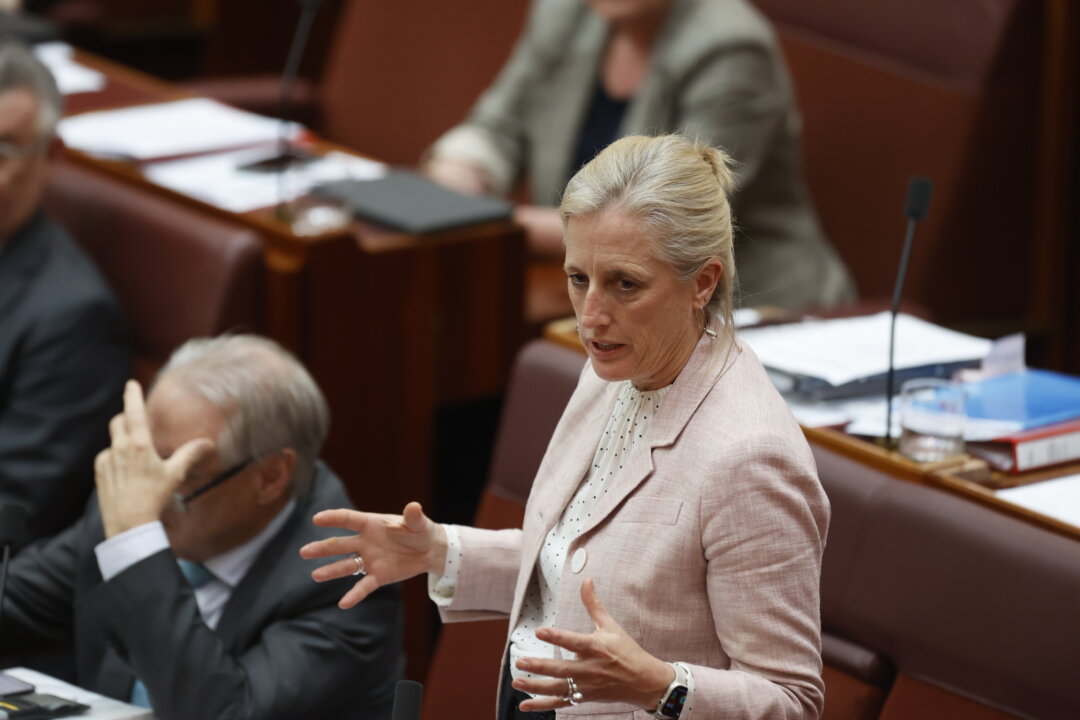
Labor’s objection focuses less on the promised saving at the pump than on the arithmetic behind it. Finance Minister Katy Gallagher said the plan was “unfunded” and “uncosted,” placing it alongside what she called hundreds of billions of dollars in other Coalition commitments without identified funding.
The two sides therefore agree on the political problem—volatile fuel prices—but diverge sharply over the remedy. The Coalition offers a visible, time-limited tax cut triggered by market conditions; Labor argues that the trigger does not solve the underlying budget liability. Until the tobacco-excise savings and the policy’s full fiscal exposure are independently demonstrated, the shield remains as much an election pitch as a settled economic plan.
Write a comment