North Korea’s Missile Launches Expose the Limits of Trump’s Diplomatic Overture
North Korea’s Missile Launches Expose the Limits of Trump’s Diplomatic Overture
North Korea’s latest missile launches have sharpened an old contradiction: Washington and Seoul are trying to preserve room for diplomacy, while Pyongyang is using weapons tests to demonstrate that pressure has not altered its nuclear posture.
The conservative account presents the development in stark, event-driven terms: “North Korea launches multiple ballistic missiles.” That framing emphasizes the military act itself, with little context about the political exchange surrounding it.
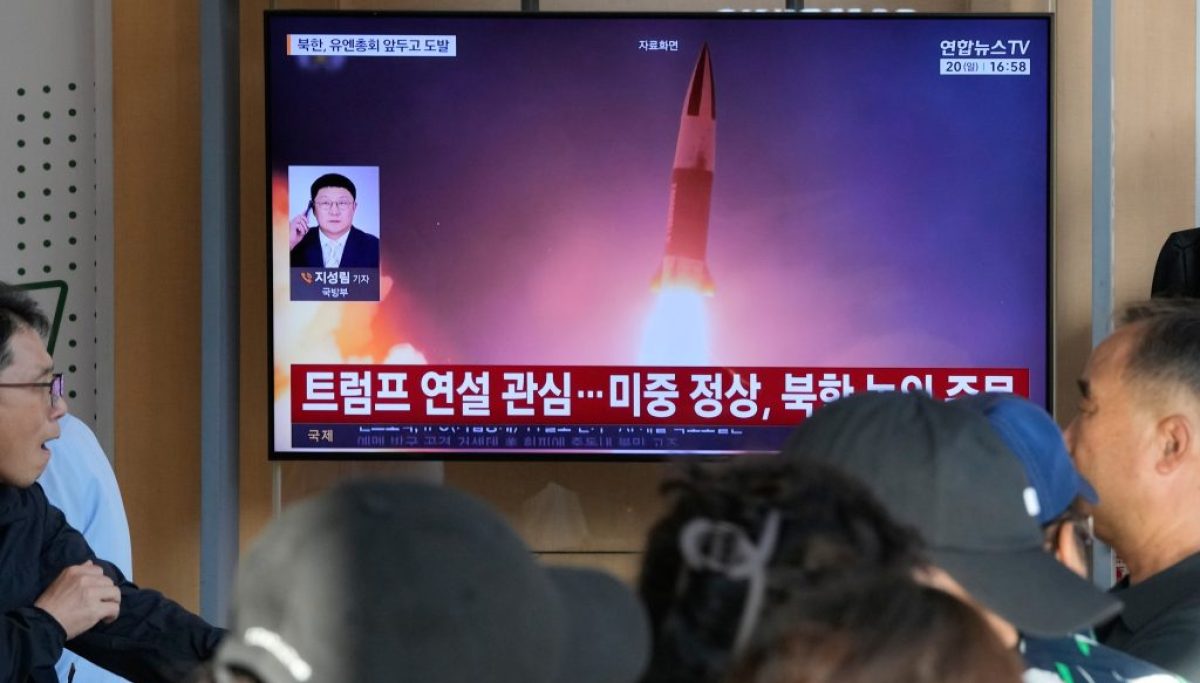
A more expansive account describes two short-range ballistic missiles launched from the eastern coastal Wonsan area roughly three hours apart. One traveled about 280 miles and the other more than 370 miles, according to South Korea’s military. The same report also referred to a later launch of about 10 short-range missiles, apparently fulfilling Pyongyang’s earlier threat to respond to U.S.-South Korean exercises.
The competing interpretations are clearest over responsibility. Seoul called for an immediate halt to launches banned by U.N. Security Council resolutions and said its forces remained ready under the U.S. alliance. Washington, however, said the events “do not pose an immediate threat to U.S. personnel or territory, or to our allies,” while stressing that it was consulting partners and remained committed to regional defense.
Pyongyang’s position is the reverse. Kim Yo Jong dismissed the shortening of a joint drill, saying it did not change its “provocative, aggressive nature.” She later called allied exercises “frantic military” actions and argued that “regular U.S.-led war rehearsals” were driving regional tensions.
The launches therefore appear calibrated: serious enough to reinforce North Korea’s deterrence claims, but limited enough to avoid an immediate military crisis. The result is not a collapse of diplomacy so much as evidence that symbolic concessions have yet to overcome the security dilemma at the heart of the standoff.
Write a comment