Trump Claims a Greenland Security Victory, but Sovereignty Questions Remain
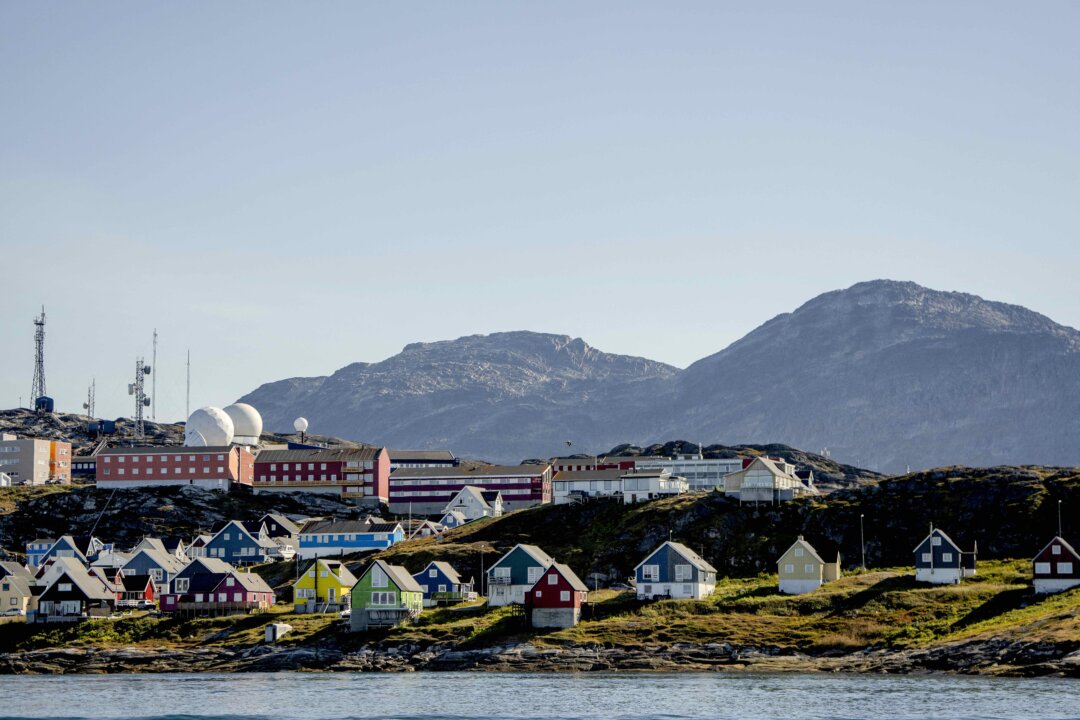
Trump Claims a Greenland Security Victory, but Sovereignty Questions Remain
The agreement announced by Donald Trump appears to resolve one dispute over Greenland while deepening another: Washington has won expanded, potentially permanent military access, but it has not acquired the territory—and the limits of U.S. authority remain unclear.
Conservative accounts frame the pact as a decisive strategic breakthrough. One report says the United States will receive permanent basing, access and overflight rights, including the ability to build new installations without Danish or Greenlandic approval. It also says China, Russia and other non-NATO countries will be blocked from military activity and sensitive investments. Secretary of State Marco Rubio called it a deal that “permanently and completely addresses our national security concerns in Greenland.” Rubio separately described it as “a huge win for the United States” that secures Arctic interests at “zero cost” to taxpayers.
Trump’s own language is broader still. He says the pact gives the United States “permanent control over security, and all other needs, in Greenland,” while promising a “large Military presence.” That interpretation turns a defense arrangement into an assertion of enduring American primacy, even without formal sovereignty.
Liberal and centrist reporting draws a sharper distinction. Denmark’s prime minister and Greenland’s leader say the agreement recognizes the kingdom’s sovereignty and Greenlanders’ right to self-determination. The official text was not immediately public, and the pact still requires parliamentary approval. A separate account portrays the deal as an expansion of existing Cold War-era access rather than the territorial takeover Trump once demanded, warning that the episode has damaged trust among Greenland’s residents.
The common ground is strategic: all sides acknowledge Greenland’s importance amid Russian and Chinese activity in the Arctic. The unresolved question is political. Washington may have secured the military latitude it sought, but Trump’s rhetoric—and the absence of full public terms—keeps alive the sovereignty fight the agreement was supposed to settle.
Write a comment