Trump’s White House media ban turns a dispute over coverage into a First Amendment showdown
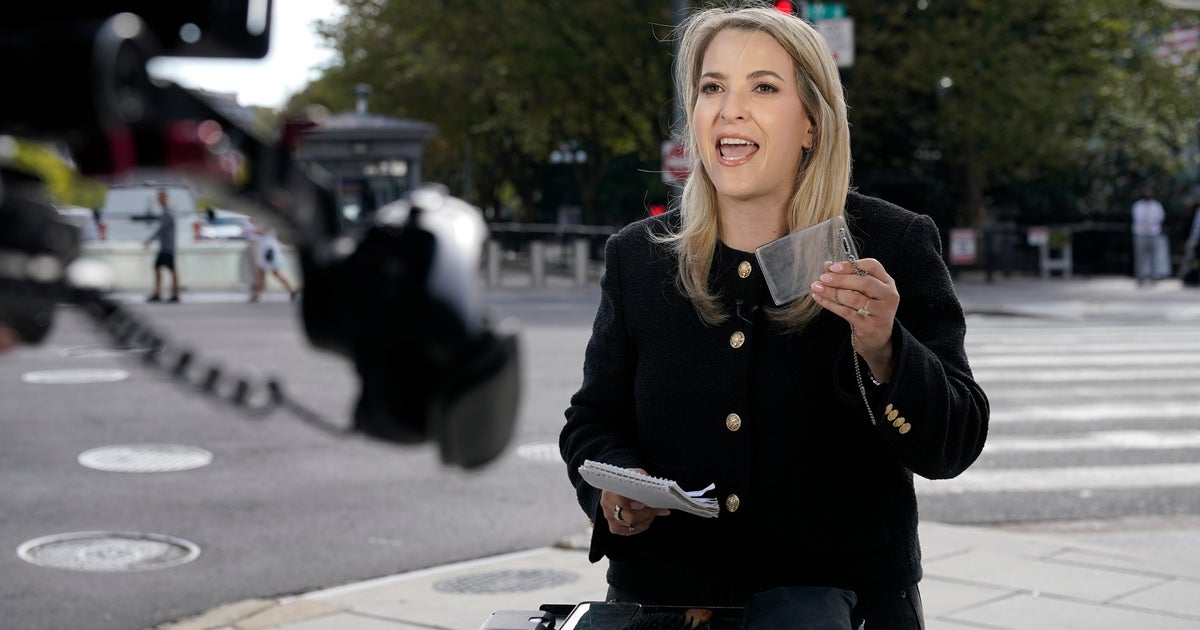
Trump’s White House media ban turns a dispute over coverage into a First Amendment showdown
The White House’s decision to bar three major news organizations has transformed a familiar political feud over “fake news” into a test of whether the government can control access to journalists based on what they publish.
CNN, MS NOW and Politico said their reporters were turned away from the White House grounds after President Donald Trump announced the ban. MS NOW said a reporter and photographer were denied entry as they arrived for work. The immediate dispute is procedural, but the underlying conflict is constitutional: whether access to government facilities can be conditioned on favorable coverage.
Trump’s justification is bluntly political. He said he was “tired of reading and seeing fake news” and accused the outlets of publishing “FICTION and LIES,” without identifying specific reports. His defenders’ position is that the White House should not be compelled to provide access to organizations the president considers dishonest. The administration has also threatened similar action against other outlets, widening the stakes beyond the three targeted organizations.
The news organizations and press-freedom groups frame the move differently. MS NOW said it would take “any and all steps necessary to defend our First Amendment rights,” while CNN said it would continue reporting “without fear or favor.” The White House Correspondents’ Association warned that a standard used against one outlet could eventually be applied to any newsroom whose coverage displeases officials.
That concern is reinforced by recent precedent. Courts have already intervened in disputes over the administration’s treatment of the Associated Press and a CNN reporter’s press credentials. Legal experts therefore see more than an access fight: they see possible content-based discrimination, especially if the White House excludes journalists from a press pool because of their viewpoints. The central question is not whether the reporting is popular with the president, but whether government power can be used to punish coverage it dislikes.
Write a comment