House Rebukes Trump’s Iran War as Republicans Join Effort to Curb Him
House Rebukes Trump’s Iran War as Republicans Join Effort to Curb Him
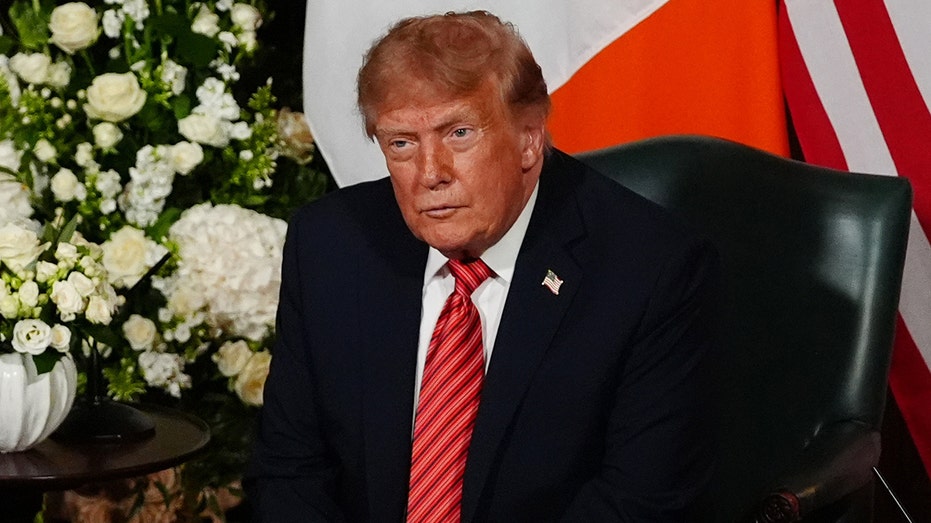
The House has delivered its third rebuke of President Trump’s Iran strategy, exposing a widening divide over how long the conflict should continue and who should control its next phase.
The measure is framed by supporters as a constitutional check on an open-ended war. It directs Trump “to remove United States Armed Forces from hostilities with Iran,” according to the liberal account of the vote. The resolution passed 220-204, with seven Republicans joining Democrats—three more than supported the earlier efforts in June and July.
Those defections are politically significant, but they do not yet amount to a change in Republican leadership. Four Republicans—Tom Barrett, Brian Fitzpatrick, Warren Davidson and Thomas Massie—had backed previous resolutions; Nancy Mace, Mariannette Miller-Meeks and Zach Nunn joined them this time.
The conservative framing is notably different: its headline emphasizes that the resolution would “end” the Iran conflict while highlighting the new Republican supporters, presenting the vote less as a broad rejection of Trump than as a development in the internal fight over war powers.
Democrats, meanwhile, are pressing the argument that military action has outlasted the administration’s original expectations without producing a clear endpoint. Rep. Gregory Meeks said the administration had “yet to demonstrate that seven months of war have produced a lasting strategic resolution to the threats posed by Iran.” The Congressional Budget Office estimates the conflict is costing $2 billion to $3 billion monthly, while the administration seeks as much as $73 billion in additional funding.
The resolution’s practical impact remains uncertain. The Senate has not acted on a similar July measure, and the White House disputes the validity of an earlier bipartisan resolution. The House vote therefore functions chiefly as a warning: opposition to the war is growing, but congressional limits on Trump’s policy remain largely symbolic.
Write a comment