Saudi Pipeline Strike Turns a Regional Escalation Into an Oil Shock
Saudi Pipeline Strike Turns a Regional Escalation Into an Oil Shock
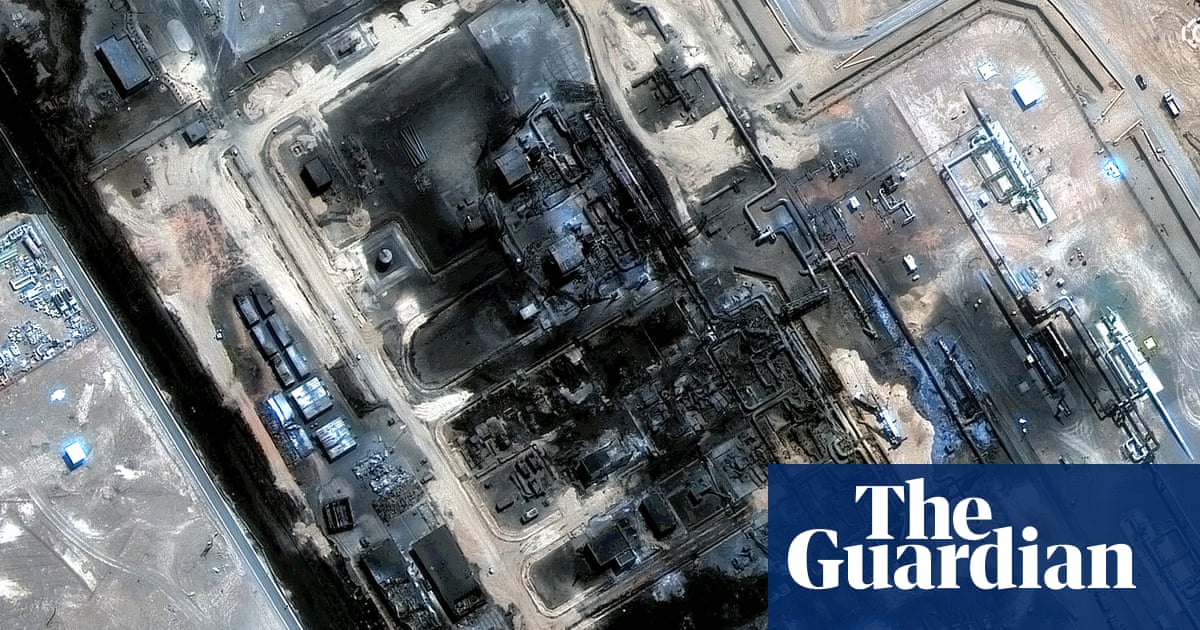
Saudi Arabia’s damaged East-West pipeline has transformed a wave of regional attacks into a direct threat to global energy markets. The immediate price jump reflects not only lost infrastructure, but growing fear that violence could spread across Gulf shipping routes and tighten an already constrained supply chain.
Oil prices rose sharply as traders assessed fresh Houthi attacks, strikes on commercial vessels and the pipeline shutdown. Brent crude reached $107.48 a barrel, while U.S. West Texas Intermediate climbed to $103.20, according to the liberal account of the market reaction. The report presents the developments as part of a broader escalation involving Iran, including competing claims over attacks on ships and an American drone in the Strait of Hormuz.
The conservative account places greater emphasis on the Houthis’ alignment with Iran and describes the group as a “terrorist organization,” framing the pipeline damage and attacks on shipping as a coordinated security threat rather than primarily a market event. It also highlights Saudi reports that an attack in the Jazan region injured two people and damaged a mosque, buildings and vehicles.
Both perspectives agree on the central economic consequence: the risk premium on crude is rising. They differ in emphasis. The liberal report stresses the potential for supply disruption to feed inflation and push bond yields higher; strategist Komal Sri-Kumar warned that “Inflation is going to pick up” as pipelines come under attack. The conservative framing instead foregrounds deterrence, Iranian influence and the vulnerability of commercial shipping.
The unresolved question is whether the strikes remain contained or become a sustained campaign against energy infrastructure and maritime traffic. If the latter occurs, the pipeline’s role as a bypass of the Strait of Hormuz makes its closure especially consequential: disruption would no longer be a regional headline alone, but a global price shock.
Write a comment