A Russian Oligarch Paid for Trump Jr.’s Party—Gift or Political Access?
A Russian Oligarch Paid for Trump Jr.’s Party—Gift or Political Access?
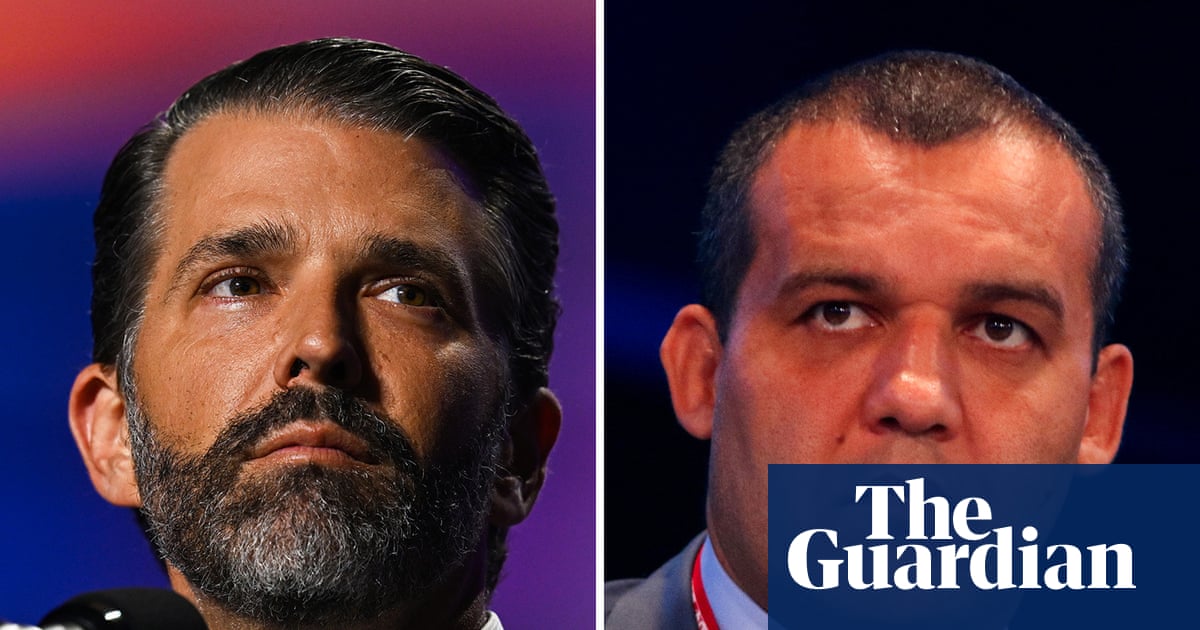
The dispute over Donald Trump Jr.’s wedding festivities is less about who attended the party than about what a lavish gift from a Putin-connected Russian businessman might signify.
Conservative coverage has largely presented the central fact as a confirmation: the couple acknowledged that Russian oligarch Umar Kremlev helped host and fund celebrations held after the wedding. One report described the festivities as “partially funded by Russian oligarch,” while another emphasized that “the couple confirms” the arrangement.
Liberal reporting has framed the same disclosure as a potential ethics and influence question. ProPublica reported that Kremlev covered the rental of a private island and other major expenses, including fireworks, with payments routed through an entity affiliated with the International Boxing Association, which he leads. Kremlev is closely associated with Vladimir Putin, has received a Russian state honor and is subject to Ukrainian sanctions—details that make the gift politically sensitive even if no illicit exchange has been established.
The couple’s explanation is straightforward: Bettina Anderson said Kremlev hosted “two incredible nights of celebrations” after the private family wedding and called the gesture “an extraordinarily generous wedding gift from a friend.” She also argued that “friendship doesn’t require a political motive” and rejected any suggestion of a conspiracy.
The opposing interpretation is not that the wedding itself was secretly purchased, as President Trump claimed, but that a wealthy foreign figure with ties to Putin provided substantial hospitality to the president’s son and gained unusual proximity to the family. Critics therefore want to know why Kremlev paid, how the relationship began and whether any future obligation was created. As one former FBI official put it, “If I’m paying for your wedding, at some point, you’re going to owe me something.” The facts establish a generous gift; they do not, on their own, establish a political bargain—but they leave the appearance-of-influence question unresolved.
Write a comment