Watchdog Report Exposes the Human Cost of Florida’s ‘Alligator Alcatraz’
Watchdog Report Exposes the Human Cost of Florida’s ‘Alligator Alcatraz’
Florida’s experiment in fast-track immigration detention has become a clash between official claims of lawful enforcement and a federal watchdog’s account of cramped, poorly regulated conditions.
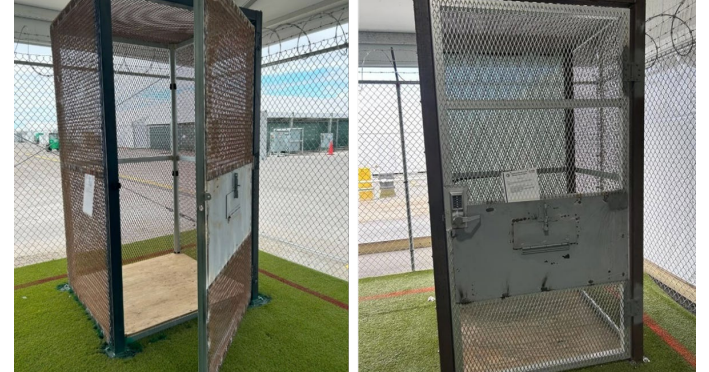
The DHS Office of Inspector General found that detainees at the 1,500-bed Florida Soft-Sided Facility—better known as “Alligator Alcatraz”—were held in outdoor metal enclosures measuring about 18 square feet. The report documented 79 such incidents between July 2025 and January 2026, with confinement lasting as long as two hours. That space was less than half the 37 square feet required for single-person housing under ICE’s own standards.
The watchdog also identified overcrowding, inadequate recreation, poor food hygiene, limited access to clean water and broken telephones that hindered contact with lawyers and families. Most fundamentally, auditors said staff could not clearly identify whether they were following federal immigration or state prison standards—an ambiguity that increased the risk of inadequate care.
Officials present a sharply different interpretation. DHS said the facility was consistent with detention standards used by previous administrations and rejected allegations of inhumane treatment. Florida Gov. Ron DeSantis’s communications director described the cages as a response to “violent criminal aliens” and said the state would make them smaller if it could.
The liberal account emphasizes the gap between that defense and the inspectors’ findings. The Guardian reported that staff called the enclosures “calming areas,” but inspectors found at least one documented disciplinary use and warned that such cages were “unprecedented among ICE facilities inspected by OIG.” Critics also note that the report corroborates earlier allegations of detainees being exposed to heat, mosquitoes and restricted access to water.
The facility closed after officials cited hurricane-season risks. Yet the closure does not resolve the central dispute: whether administrative shutdown can substitute for accountability over conditions that the watchdog said posed “significant risks to detainee health and wellbeing.”
Write a comment