A Dramatic Rescue Story Collides With Claims of Pentagon Propaganda
A Dramatic Rescue Story Collides With Claims of Pentagon Propaganda
The rescue of a wounded U.S. airman from Iran is being presented as a triumph of military skill and endurance—but the broadcast has also become part of a wider argument over how wartime victories are packaged for the public.
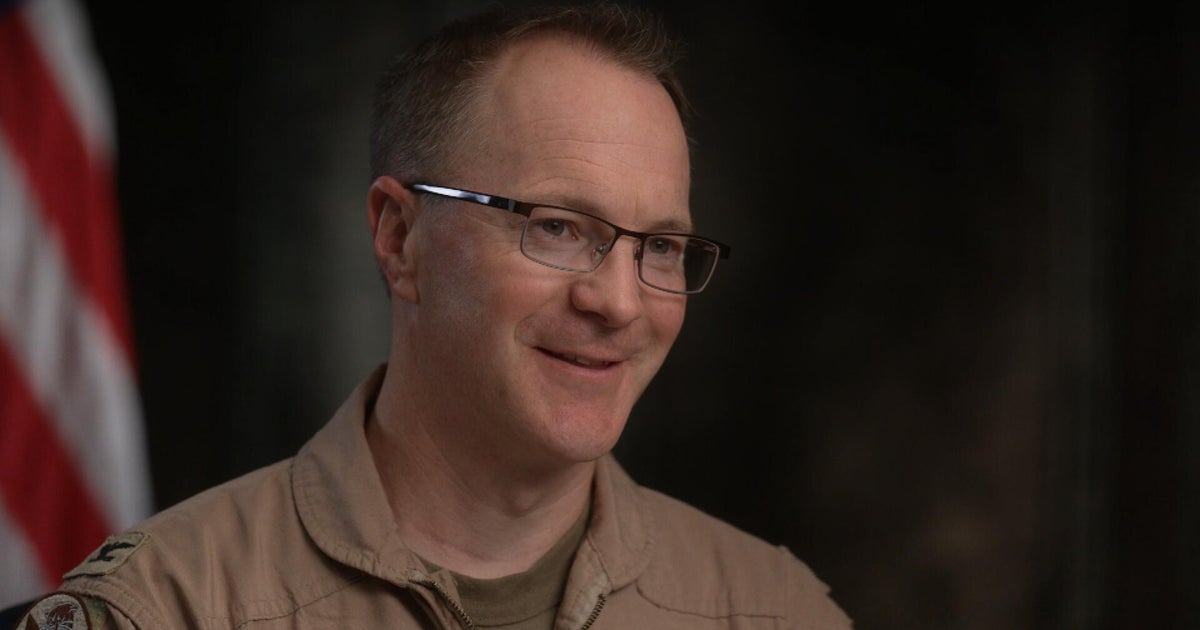
Air Force weapons-systems officer “Bravo” said his F-15E was struck by an Iranian shoulder-fired missile before he and his pilot, “Alpha,” ejected over mountainous terrain. Their accounts, released under mission call signs for security reasons, describe two very different survival ordeals: Alpha was recovered within hours, while Bravo landed roughly five miles away with a damaged parachute and severe injuries.
Bravo said he was “free-falling” and struck the ground at an estimated 70 to 100 mph, breaking his back, arm and shoulder. He then climbed a 7,000-foot ridgeline to evade Iranian forces. “I had injuries, but we all train to adapt and overcome the things that we’re faced with,” he said. His account emphasizes faith and personal resilience, including a prayer during the fall and a later message to U.S. forces: “God is good.”
The military framing is broader. Officials described a complex operation involving aircraft, special forces, intelligence deception and strikes against nearby Iranian Revolutionary Guard positions. Defense Secretary Pete Hegseth said, “whether they’re alive or not, we’re gonna go get ’em,” while commanders portrayed the mission as proof of America’s promise to leave no service member behind.
Yet the same coverage has drawn criticism. One report said the 60 Minutes segment was branded “Pentagon propaganda” aimed at improving public perceptions of President Donald Trump’s costly and unpopular war. CNN also reported that Hegseth prioritized getting the airmen on television; the Pentagon called that account “a complete lie.”
The competing interpretations are not mutually exclusive: Bravo’s ordeal may be genuine and extraordinary, while its presentation can still serve political purposes. The rescue demonstrates battlefield capability—but the controversy shows how quickly heroism becomes wartime messaging.
Write a comment