Trump’s $5,000 Dividend Faces a Reality Check in Congress
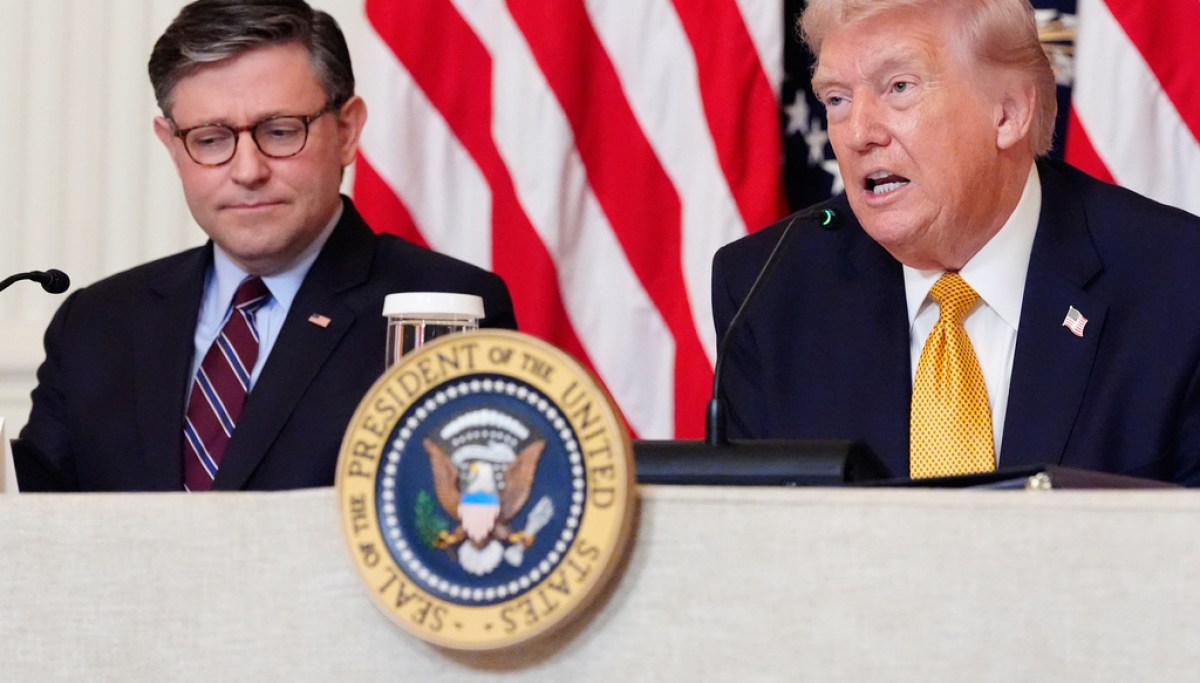
Trump’s $5,000 Dividend Faces a Reality Check in Congress
Trump’s proposed $5,000 payment to American adults is being sold as an economic dividend—but its dependence on a Republican midterm victory has turned it into a political and fiscal stress test. The promise now faces questions over who must approve it, where the money would come from and whether voters would see it as relief or leverage.
On the right, the proposal has generated both enthusiasm and unease. One conservative account noted that Republicans already control Congress and therefore could enact the payments if they truly believed the idea was sound, underscoring the plan’s political conditionality. House Speaker Mike Johnson offered a more cautious endorsement, calling it a “creative idea” while acknowledging that “devil’s in the details.” He said Trump would presumably need Congress to act, and Rep. Byron Donalds warned, “I’m not sure how you’re going to be able to pay for that over the long term.”
The administration’s argument is that the checks would not deepen the deficit. Commerce Secretary Howard Lutnick said, “It’s not tax money,” pointing instead to tariff revenue, fees on wealthy visa applicants and gains from government investments. The proposed outlay, however, could reach $1.2 trillion for roughly 240 million adults, while the national debt has passed $40 trillion. Critics also note that tariff-based financing faces legal and accounting obstacles, while the White House has floated a congressional reconciliation process to make the plan viable.
Trump has continued to insist the money can be found, saying, “we can easily handle that because we’re taking in so much money,” and promising that he keeps his pledges. Republican Sen. Bernie Moreno has backed him, promising legislation after the election. Democrats, by contrast, describe the offer as an attempt to purchase support; California Gov. Gavin Newsom called it “buy your vote with $5,000 in taxpayer-funded blood money.”
The divide is therefore less about whether Americans would welcome cash than about credibility: Republicans see a potentially popular dividend, while opponents see an underfunded campaign promise with inflationary and constitutional risks.
Write a comment