Sean McVay Nearly Walked Away From the Rams After Winning Failed to Make Him Happy
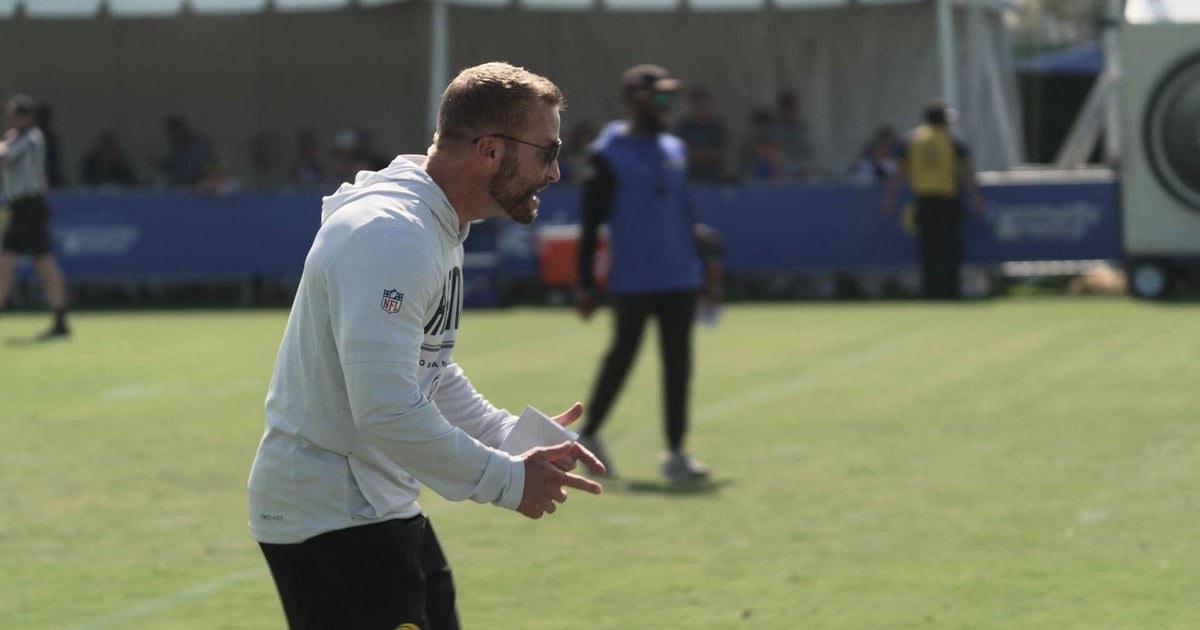
Sean McVay Nearly Walked Away From the Rams After Winning Failed to Make Him Happy
The Los Angeles Rams have built a model franchise around relentless preparation and high expectations—but their coach says that same culture nearly drove him away from the game.
Sean McVay’s public image is one of tactical brilliance and controlled intensity. Inside the Rams, general manager Les Snead describes a coach who can make an opponent feel outnumbered: “It’s like you’re trying to defend 12 instead of 11.” That competitive edge has delivered rapid success, including a Super Bowl title and 100 wins before McVay turned 40.
But the achievement came with a less comfortable cost. McVay says he was “tormented” by a poor practice and admits that his pursuit of perfection often pulls him away from the moment. The central contradiction is clear: the same obsession that sharpened the Rams’ advantage also distorted his sense of self.
Winning, moreover, did not resolve the pressure. After the Super Bowl, a losing season exposed what McVay called “a lot of insecurities,” telling him that his identity and self-worth were too closely tied to results. He considered leaving coaching for broadcasting—not as a genuine career pivot, he later acknowledged, but as a way to hide from failure.
His wife’s warning that stepping away did not sound like the leader he wanted to be became a turning point. McVay stayed, and the Rams have reached the playoffs in every season since. The team’s current philosophy remains unapologetically demanding: McVay says the Rams are “wired to achieve” and take the field expecting to win.
Yet his revised lesson is less about eliminating pressure than managing it. McVay now frames success as nonlinear and emphasizes recognizing his own triggers. That approach does not soften the Rams’ competitive identity; it suggests that sustaining it requires vulnerability as much as control.
Write a comment