One Holdout Juror Stops an Insanity Verdict in the Lindsay Clancy Trial
One Holdout Juror Stops an Insanity Verdict in the Lindsay Clancy Trial
A murder trial over the deaths of three children ended without a verdict after one juror rejected the other 11 members’ push to find Lindsay Clancy not criminally responsible. The deadlock has turned the case into a broader dispute over mental illness, jury pressure and the limits of public scrutiny.
Clancy admitted killing her children in January 2023, but her defense argued that she was legally insane. Jurors considered several possible outcomes, including murder, manslaughter, acquittal and acquittal by reason of a lack of criminal responsibility. After the panel reported a deadlock three times, Judge William Sullivan declared a mistrial.
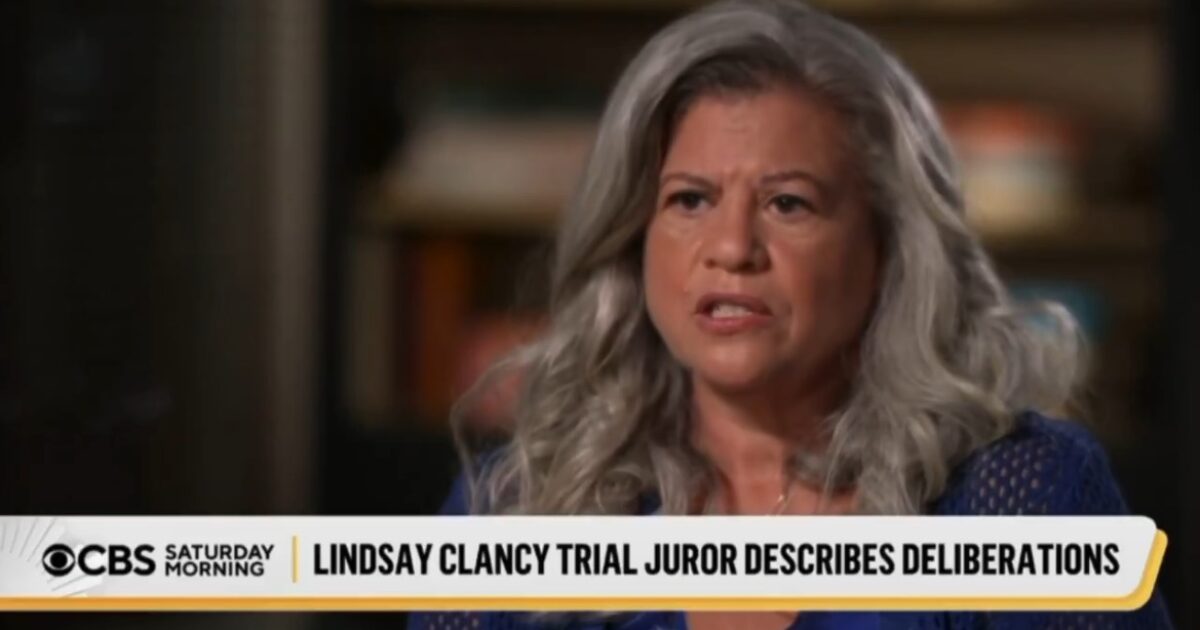
Juror Paula Devlin described the deliberations as more than a narrow legal exercise. “We knew that this was a turning point, and this would be something that could change something to make it better for other women,” she said. Her account suggests that some jurors saw the case through the lens of mental-health awareness and its potential implications for women facing similar crises.
Critics, however, interpreted the same comments as evidence that the jury had allowed politics and outside influence into the courtroom. One report portrayed the mostly female panel as determined to “leave their mark,” while also alleging that jurors may have encountered online content despite instructions to disregard outside influences. Those allegations were not established in the material provided.
Attention has also shifted to the unidentified holdout. CBS News reported that he had previously faced a domestic-violence assault and battery charge, though the case was dismissed. Legal analyst Caroline Polisi stressed that an arrest alone does not disqualify a juror; the key question would be whether he made deliberate misrepresentations during jury selection. “The test is whether he made purposeful misrepresentations,” she said.
The state has not said whether it will retry Clancy. For now, the mistrial leaves both the legal question of responsibility and the credibility of the jury unresolved.
Write a comment