Missing Canadian Mining Company Workers Found Dead in Mexico
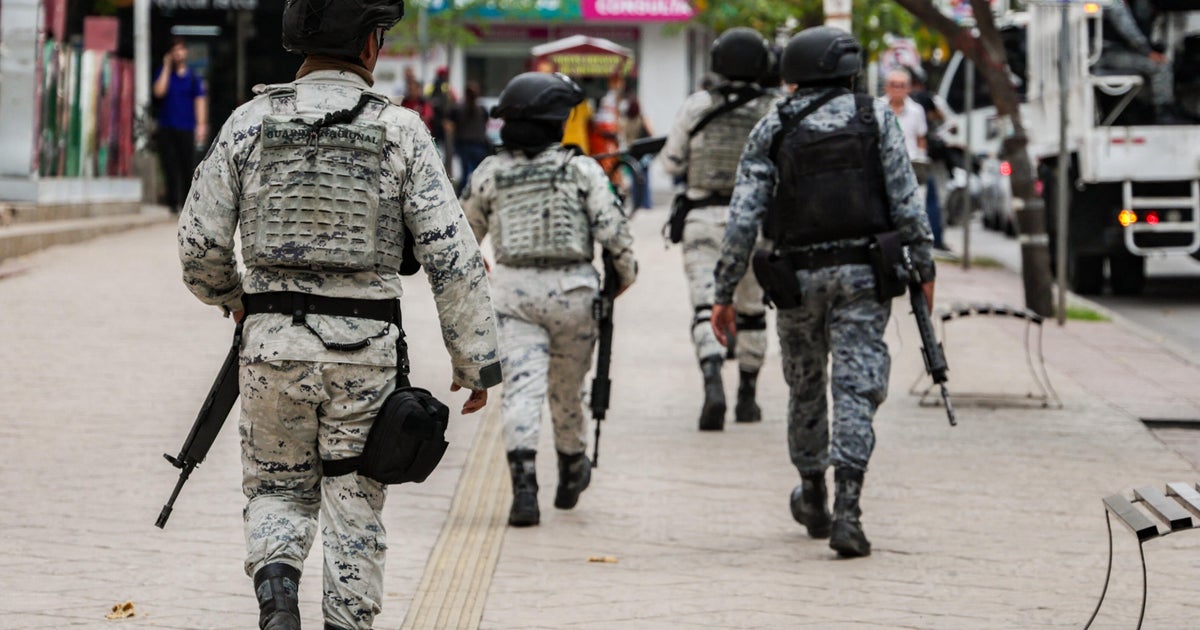
Missing Canadian Mining Company Workers Found Dead in Mexico liberal Liberal outlets emphasize that the murdered workers from Vizsla Silver illustrate Mexico’s wider crisis of disappearances, organized crime, and weak protections for local labor in foreign-owned extractive projects. They frame the story as a human-rights and structural governance issue, scrutinizing both Mexican authorities and the mining company’s duty of care and calling for stronger protections, accountability, and reforms. @CBS News
conservative Conservative outlets portray the killings primarily as a violent crime driven by cartels, highlighting the abductions, discovery of bodies in clandestine graves, and arrests as evidence of the security threat facing workers and investors. They focus on law-and-order responses, the need for tougher enforcement and security cooperation, and the implications for business stability rather than broader critiques of corporate practice or state structures. @The Epoch Times Mexican authorities and both liberal- and conservative-aligned outlets report that five of the ten missing workers linked to the Canadian mining company Vizsla Silver Corp. have been found dead in clandestine or unmarked graves in the northern state of Sinaloa. The workers were among ten bodies discovered after their abduction from Vizsla Silver’s project site in the municipality of Concordia, and officials say four suspects have been arrested in connection with the disappearances and the graves. Coverage agrees that the company, headquartered in Vancouver, has been notified by families and is awaiting full forensic confirmation and official identifications from Mexican authorities, and that the deaths are being treated as part of a broader criminal investigation.
Across the spectrum, outlets situate the case within Mexico’s chronic problems of organized crime, forced disappearances, and violence around strategic industries such as mining in regions like Sinaloa. They agree that the episode highlights vulnerabilities for local workers employed by foreign-owned resource companies operating in cartel-influenced zones, as well as the reliance of Canadian firms on Mexican law enforcement to secure their projects and personnel. Reporting also converges on the idea that this case underscores ongoing institutional challenges for Mexico’s security and justice systems and raises questions about corporate security practices, victim support for affected families, and the broader risks faced by communities near mining projects.
Points of Contention
Framing of the incident. Liberal-aligned outlets tend to frame the killings as part of a larger human rights and public-security crisis in Mexico, emphasizing disappearances and systemic violence affecting workers and local communities. Conservative-leaning coverage is more likely to frame the story as a stark crime and security failure with a focus on law and order, stressing the brutality of the murders and the criminal nature of the perpetrators. While liberals more often describe the deaths in the context of structural patterns of impunity and community vulnerability, conservatives generally center the narrative on the immediate criminal event and its implications for personal and corporate safety.
Responsibility and blame. Liberal sources are more inclined to imply shared responsibility between Mexican state institutions and the international mining industry, questioning whether foreign firms and host governments provide adequate protection and oversight for workers in high-risk areas. Conservative outlets are more likely to place primary blame on cartels and organized crime, downplaying or omitting deeper critiques of corporate practices or broader state policy failures. Where liberals may highlight the need for stronger labor protections, corporate accountability, and systemic reform, conservatives emphasize aggressive policing, prosecution, and security cooperation to address the threat from criminal groups.
Corporate and governmental response. Liberal-aligned reporting tends to scrutinize Vizsla Silver’s duty of care, asking whether its security planning, risk assessments, and support for families are sufficient, and often portrays the company’s statements as cautious or limited. Conservative coverage generally treats the company as another victim of criminal violence, presenting its public communications as appropriate and focusing more on how authorities are handling the investigation and arrests. Liberal stories are more likely to press for transparency from both the company and Mexican officials, whereas conservative pieces focus on concrete steps like the arrest of suspects and the ongoing identification process as signs of institutional action.
Broader policy implications. Liberal outlets more often connect the case to debates over regulation of foreign mining operations, labor protections, and international human-rights standards in extractive industries. Conservative sources more frequently emphasize implications for investment climate and security cooperation, raising concerns about how violence might deter foreign capital unless Mexico strengthens enforcement against cartels. While liberals push the discussion toward long-term structural reform and corporate responsibility, conservatives tend to foreground immediate security measures and the stability needed to sustain cross-border business operations.
In summary, liberal coverage tends to embed the killings within systemic critiques of violence, labor vulnerability, and corporate and state responsibility, while conservative coverage tends to stress criminal culpability, law-and-order responses, and the security and business implications of operating in cartel-dominated regions. Story coverage nevent1qqsgu0yzehx50xczxfpm3cytr6lm5lh2wv53nr0r0yhqmu5gc00j8aqk7stej nevent1qqsxnslfr5t5uhnjl82xxc8gyaf5f2l9wjjtms266y5w59ykvm2e63s2qe3lw