UK Police Assess Complaint Against Prince Andrew Over Epstein Disclosures
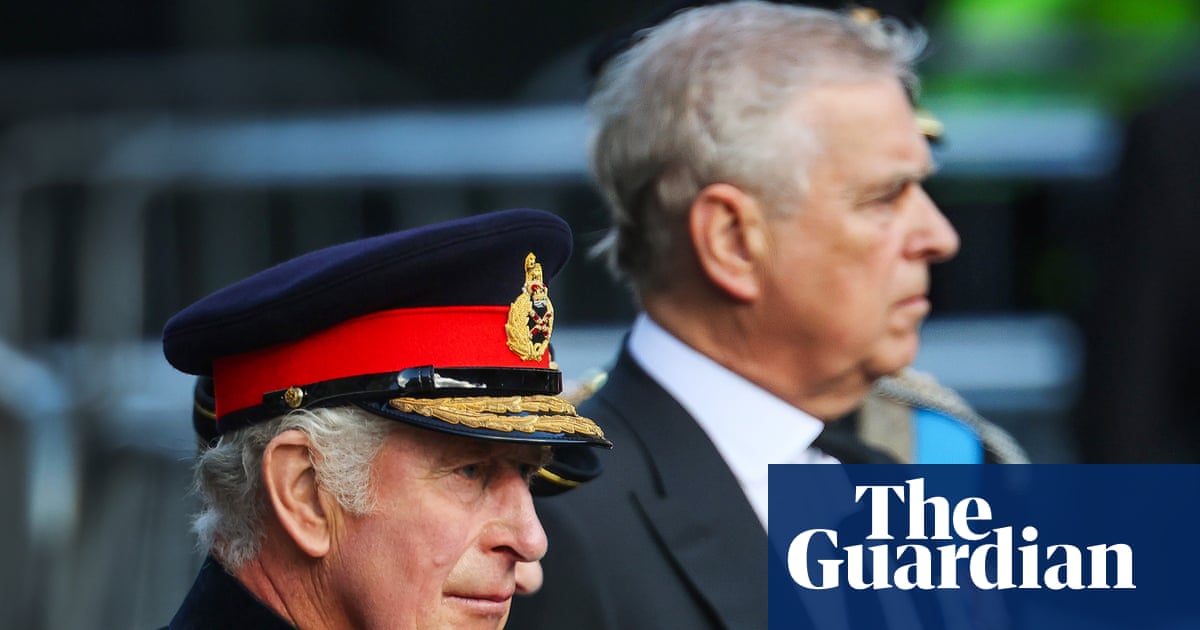
UK Police Assess Complaint Against Prince Andrew Over Epstein Disclosures liberal Liberal outlets frame the police assessment as a potentially serious Official Secrets Act and misconduct case, using it to question how a royal trade envoy could share confidential reports with Epstein without stronger oversight. They highlight systemic issues of secrecy and elite impunity, treating the monarchy itself as an institution that must be scrutinized and possibly reformed. @www.theguardian.com @The Gateway Pundit
conservative Conservative outlets acknowledge the new complaint but stress that authorities are only assessing it, emphasizing that Andrew has already been stripped of roles and remains a material witness rather than a criminal target. They foreground statements from senior royals expressing concern for Epstein’s victims, portraying the monarchy as responsibly managing the fallout and moving to protect its future credibility. @Fox News UK police, specifically Thames Valley Police, are assessing a complaint that Prince Andrew may have shared confidential government trade reports with Jeffrey Epstein around 2010–2011, when Andrew was serving as the UK’s special trade envoy. Both liberal and conservative outlets agree that the complaint cites suspected misconduct in public office and potential breaches of the Official Secrets Act, based on documents released by the US Department of Justice in the so‑called Epstein files. The reports in question relate to trade trips to Singapore, China, Hong Kong, and Vietnam, and UK authorities have confirmed only that they are reviewing the complaint rather than launching a full criminal investigation. Coverage across the spectrum notes that Andrew has already been stripped of his royal titles and public duties due to prior Epstein‑related scandals and that he continues to deny any wrongdoing, while being previously sought by US authorities as a material witness rather than as a criminal target.
Liberal and conservative sources concur that the newly surfaced documents show extensive contact and information‑sharing between Andrew and Epstein during the period when Andrew was a government‑linked trade representative, and that this has triggered institutional responses within the monarchy and law enforcement. Both sides highlight that Buckingham Palace and senior royals, including King Charles as well as Prince William and Catherine, have signaled concern about the Epstein disclosures and expressed sympathy for victims, positioning the royal family as cooperative with any police inquiries. The shared context emphasizes the longstanding controversy over Andrew’s relationship with Epstein, the reputational damage to the monarchy, and the involvement of US justice authorities in probing Epstein’s network. There is broad agreement that this episode sits at the intersection of royal accountability, government secrecy rules, and cross‑border investigations into Epstein’s crimes.
Points of Contention
Severity and implications of the allegations. Liberal‑aligned outlets emphasize the potential gravity of an Official Secrets Act violation and misconduct in public office, framing the alleged sharing of trade reports with Epstein as a possible national‑interest and security breach. Conservative sources tend to describe the same conduct more cautiously, stressing that police are only “assessing” a complaint and that no formal investigation or charges have been announced. Liberal coverage leans into the language of “disgraced” and “former prince” to underscore how serious the allegations could be, while conservative coverage more often situates the claims within Andrew’s already known fall from grace, suggesting a continuation rather than an escalation of scandal.
Focus of accountability. Liberal reports concentrate heavily on Andrew’s direct actions and potential legal exposure, treating the complaint as a test of whether powerful figures can be held to the same standards as ordinary public officials. Conservative outlets give more attention to the royal family’s broader response, foregrounding statements from Prince William, Catherine, and the palace that express concern for Epstein’s victims and distance senior working royals from Andrew’s behavior. Liberals tend to frame accountability in legal and institutional terms—what police, prosecutors, and secrecy laws will do—whereas conservatives frame it more in reputational and familial terms, stressing internal royal consequences already imposed on Andrew.
Institutional credibility and reform. Liberal coverage uses the case to question the robustness of existing oversight mechanisms over royal or quasi‑official roles, implying that Andrew’s trade envoy position was insufficiently scrutinized and that reform of how royals engage in government business may be needed. Conservative sources, while acknowledging reputational damage, are more inclined to present the monarchy and law‑enforcement institutions as responding appropriately, highlighting cooperation with US authorities and the stripping of Andrew’s titles as evidence the system can self‑correct. Liberals more often link the saga to broader critiques of elite impunity and opaque state‑royal relationships, whereas conservatives portray it as an unfortunate aberration being responsibly managed by current royal leadership.
Narrative framing of the monarchy’s role. Liberal outlets frequently frame King Charles’s “profound concern” and willingness to support police as a necessary step toward greater transparency and a break with past secrecy, implicitly critiquing how the institution previously handled Andrew’s ties to Epstein. Conservative coverage accentuates the unity and moral stance of the senior royals—especially William and Catherine—who are portrayed as empathetic to victims and focused on safeguarding the monarchy’s future, with Andrew presented more as an embarrassing outlier than a symptom of systemic issues. Liberals thus cast the royal household as part of the story that must be scrutinized, while conservatives cast it primarily as an actor seeking to clean up the fallout and move on.
In summary, liberal coverage tends to stress the potential legal seriousness of Andrew’s alleged conduct, the need for structural accountability, and the monarchy’s complicity in allowing his role to persist, while conservative coverage tends to stress the limited procedural nature of the current police assessment, the sympathy of senior royals for victims, and the idea that the institution is already correcting course by sidelining Andrew.
Story coverage nevent1qqsrhyfmvwp6pwnqpytgrep8j07dj4z7dn8hfktg4zhwdxdgv490f4cwpqruu nevent1qqsxlncq2ughhnk2rj7d36rktscrdqhc74uddvmtauk5m3j6hx4jzkq9jpqet nevent1qqszpuwjp2e6zjjsqzvyt9n3n8jrv08apft2xe8qqlvs96832hh3ytgaqp09w